




JQ Magazine: Nippon in New York — Miike’s Latest, Miku Expo, ‘Katsura Sunshine’s Rakugo’
 Article/Journalism, Events, Film, Food & Drink, JQ Magazine, Music
  Comments Off on JQ Magazine: Nippon in New York — Miike’s Latest, Miku Expo, ‘Katsura Sunshine’s Rakugo’
By JQ magazine editor Justin Tedaldi (CIR Kobe-shi, 2001-02). Justin has written about Japanese arts and entertainment for JETAA since 2005. For more of his articles, click here.
As spring continues and the weather continues to warm, New Yorkers can enjoy activities all over the city both indoors and out.
This month’s highlights include:
Courtesy of Sideshow/Janus Films
April 26-30 and May 3-16
Hamaguchi I & II and Evil Does Not Exist
Walter Reade Theater, 165 West 65th Street
Elinor Bunim Munroe Film Center, 144 West 65th Street
$12-$17
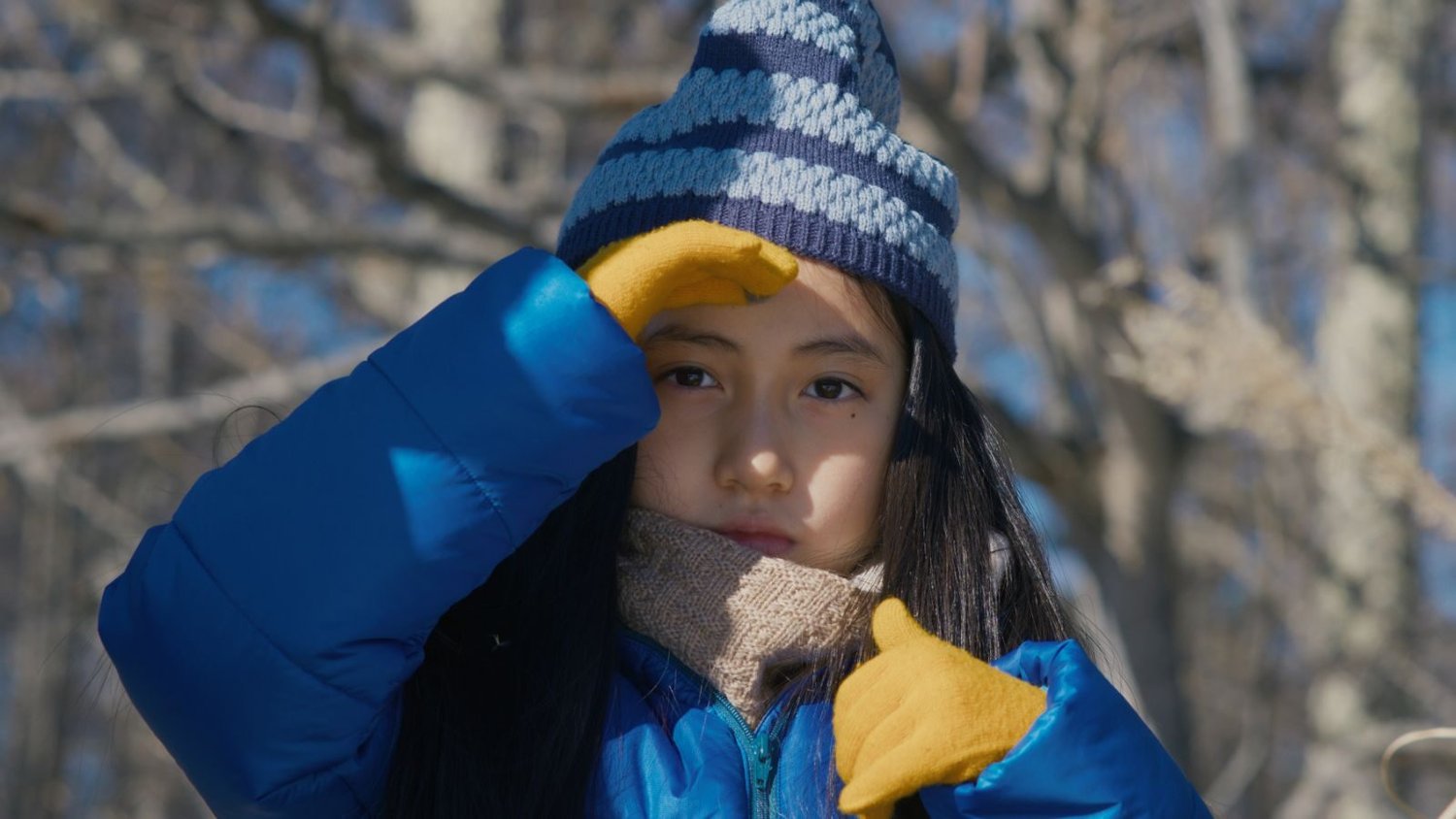
Evil Does Not Exist: Deep in the forest of the small rural village Harasawa, single parent Takumi lives with his young daughter, Hana, and takes care of odd jobs for locals, chopping wood and hauling pristine well water. The overpowering serenity of this untouched land of mountains and lakes, where deer peacefully roam free, is about to be disrupted by the imminent arrival of the Tokyo company Playmode, which is ready to start construction on a glamping site for city tourists—a plan, which Takumi and his neighbors discover, that will have dire consequences for the ecological health and cleanliness of their community. The potent and foreboding new film from Oscar-winning director Ryûsuke Hamaguchi (Drive My Car and Wheel of Fortune and Fantasy, both NYFF59) is a haunting, entirely unexpected cinematic experience that reconstitutes the boundaries of the ecopolitical thriller. Intensified by a rapturous, ominous score by Eiko Ishibashi, this mesmeric journey diverges from country-vs-city themes to straddle the line between the earthy and the metaphysical. Presented in Japanese with English subtitles. Q&A with Ryûsuke Hamaguchi and Eiko Ishibashi on May 3 at 6 p.m. screening. Don’t miss Hamaguchi I & II, a selected retrospective of Ryûsuke Hamaguchi’s films to be presented at FLC from April 26–30.
© 1983 Argos Films
Wednesday, May 1, 7:00 p.m.
The Film Desk Presents: Sans Soleil
Japan Society, 333 East 47th Street
$8-$16
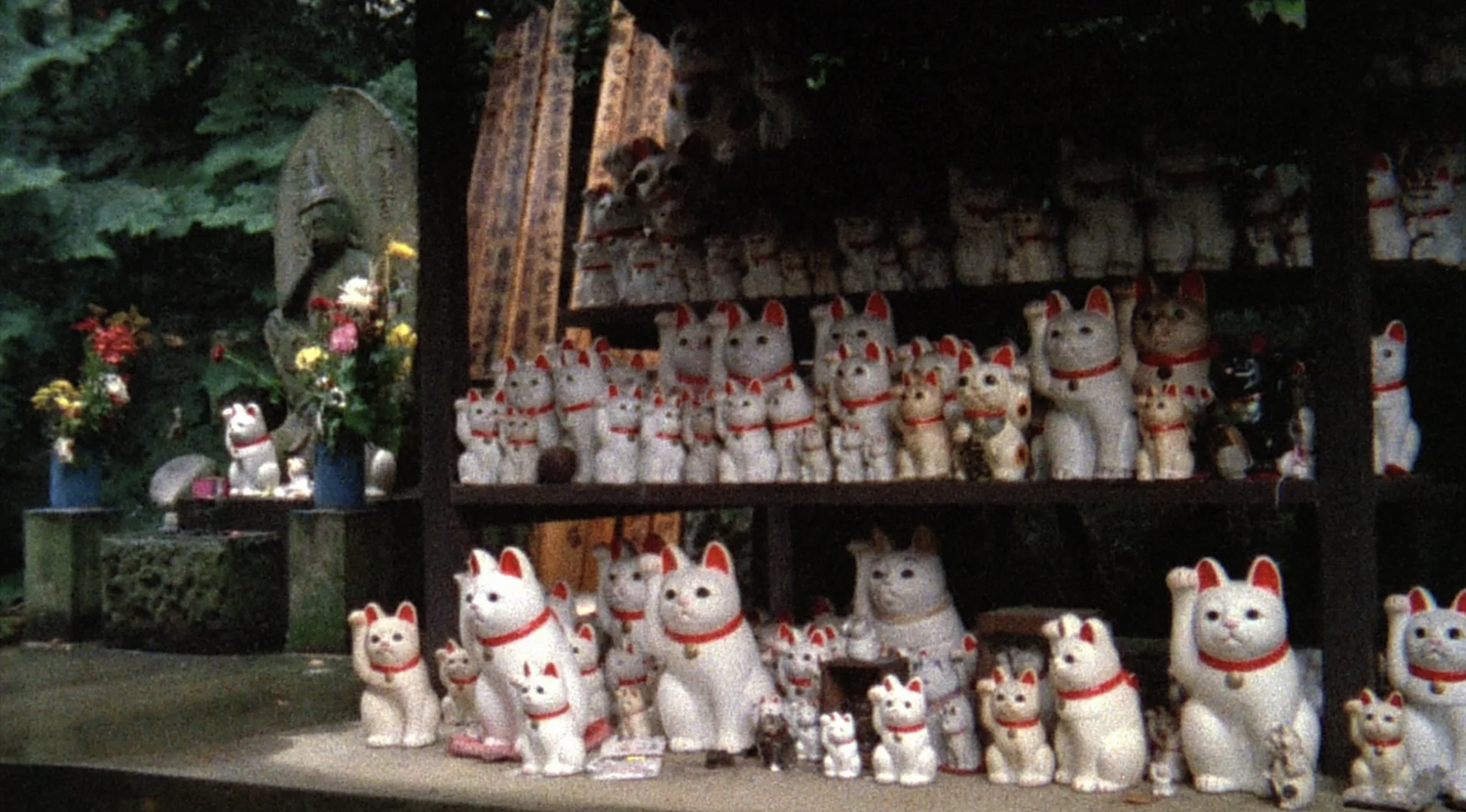
Imported 35mm print! Driven by a desire to “capture life in the process of becoming history,” the enigmatic and influential French filmmaker Chris Marker travelled the globe and made a sprawling body of hybrid work that ruminates on the nature of memory and time. Of the several films he made in Japan (where, among the crowded drinking holes of Shinjuku’s “Golden Gai” district, there is a bar named after one of his early masterpieces), this singular essay film remains the late director’s greatest achievement. An unnamed woman narrates the poetic letters and philosophical reflections of an invisible world traveler accompanied by footage of Guinea-Bissau, Cape Verde, Iceland, Paris, San Francisco and, most significantly, Tokyo—a city whose people, streets, malls and temples inspire the traveler’s richest observations.
Courtesy of Eventbrite
Saturday, May 4, 7:30 p.m.
Marimba Extraordinaire Makoto Nakura at 60 – A Retrospective
The Church-in-the-Gardens, 50 Ascan Avenue (Queens)
$10 students, $20 general admission/adult
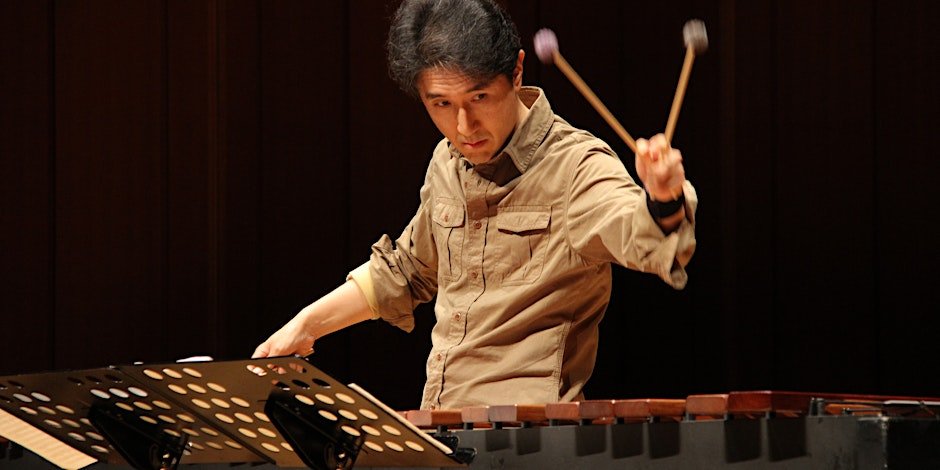
Makoto Nakura started building his distinctive career as a marimbist as soon as he arrived in NYC from Japan 30 years ago. This concert shows his journey through the works which he has commissioned along the way. Featuring Barbara Podgurski on piano, these works from today’s leading composers showcase the expressive possibilities of the marimba…expressive possibilities that keep expanding under Makoto’s ever-growing collection of mallets! You are sure to have a great time not only hearing extraordinary music, but also meeting this extraordinary artist and human being who always gives his audience an incredible show. Don’t forget to wish him a happy 60th birthday if you attend!
Read MoreWIT Life #372: Kaiten Zushi in NYC
Food & Drink, Translating/Interpreting, Uncategorized, WIT Life Comments Off on WIT Life #372: Kaiten Zushi in NYC
Interpreter/Translator/Writer Stacy Smith (Kumamoto-ken CIR, 2000-03) presents WIT Life, a periodic series about aspects of Japanese culture such as art, film, food and language. Stacy starts her day by watching Fujisankei’s newscast in Japanese, and here she offers some interesting tidbits and trends along with her own observations.
One of my favorite meals during my recent trip to Japan was 回転ずし (kaiten zushi, or conveyer belt sushi). It’s always fun to watch the food as it goes around and grab whatever looks good. I have a faint recollection of kaiten zushi in midtown run by a Singaporian company existing some years ago, but since then we haven’t had this type of restaurant in the city. But the wait is over, since a new kaiten zushi establishment opened last week.
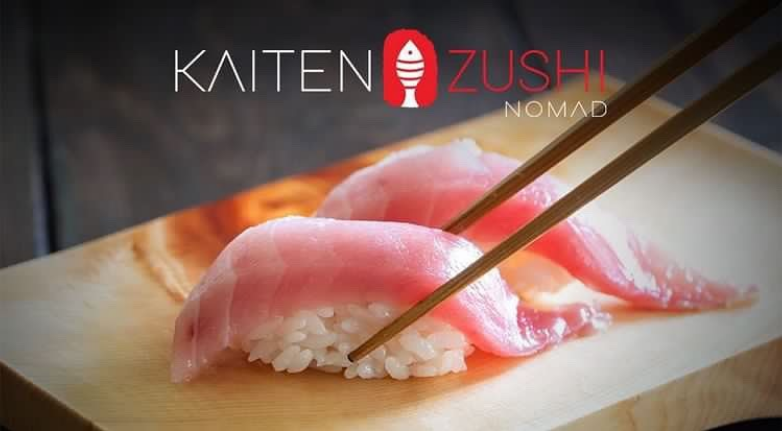
Called Kaiten Zushi Nomad, this futuristic restaurant has ordering via tablet and three levels of conveyer belts that deliver your food. There are booths and counter-style seating, as well as a front waiting area that looks like it could double as a bar (Kaiten Zushi also has a wide array of alcoholic beverages to go with your food). They boast over 100 types of sushi, but fear not if raw fish isn’t your thing for they have plentiful appetizers and main dishes that feature meat and other cooked items such as donburi, ramen and karaage.
(Photo courtesy of @kaitenzushi_nomad on Instagram)
JQ Magazine: Nippon in New York — Ryuichi Sakamoto’s ‘KAGAMI,’ The Joy of Sake, Japan Drum + Dance
Art, Article/Journalism, Events, Film, Food & Drink, JQ Magazine, Music Comments Off on JQ Magazine: Nippon in New York — Ryuichi Sakamoto’s ‘KAGAMI,’ The Joy of Sake, Japan Drum + Dance
By JQ magazine editor Justin Tedaldi (CIR Kobe-shi, 2001-02). Justin has written about Japanese arts and entertainment for JETAA since 2005. For more of his articles, click here.
After an unusually warm spring, it’s finally starting to feel like summer. Enjoy some seasonal events this month that celebrate the best of both fine and pop art.
This month’s highlights include: TEXT

Robert Flynt
June 1-11
Ellen Stewart Theatre at La MaMa, 66 East 4th Street
$10-40
This “confidential protocol” is a composition created and designed by Yoshiko Chuma. This performance is based on twenty chapters that cross over within the frame of two and half hours. Musicians, dancers and designers interact, but not directly—a parallel to incidents of sound, text and action, a metaphor for endless continuous circles of life, fluctuating between utopia and war. While observing, the audience perceives the results of war—tipping utopia. A utopia is an imagined community of society that possesses highly desirable or nearly perfect qualities for its citizens. One could also say that utopia is a perfect “place” that has been designed so there are no problems.

June 7-July 2
KAGAMI by Ryuichi Sakamoto and Tin Drum
Griffin Theater at The Shed, 545 West 30th Street
$29-$69
World premiere! In this new mixed reality collaboration with the late, legendary Academy Award-winning composer and artist Ryuichi Sakamoto and Tin Drum, spectators will witness a new kind of mixed reality concert via headsets that immerse the audience in an environment combining the maestro’s Yamaha grand concert piano performance with the physical world alongside virtual art created to accompany each song. Presented in surround sound, the experience allows the intimate 80-person audience, seated in the round, to connect like never before. “This is one of the first fully staged concerts in mixed reality, and it’s no surprise that the uniquely inventive Ryuichi Sakamoto was working on this new interdisciplinary show in recent years,” says The Shed’s Artistic Director Alex Poots. “It’s a great honor to present KAGAMI, one of Sakamoto’s final works, with our innovative partners [director] Todd Eckert and the Tin Drum team, and to share Sakamoto’s enduring legacy in this groundbreaking new artistic format.”
GKIDS
June 11, 12 and 14
Various locations
$15-$20
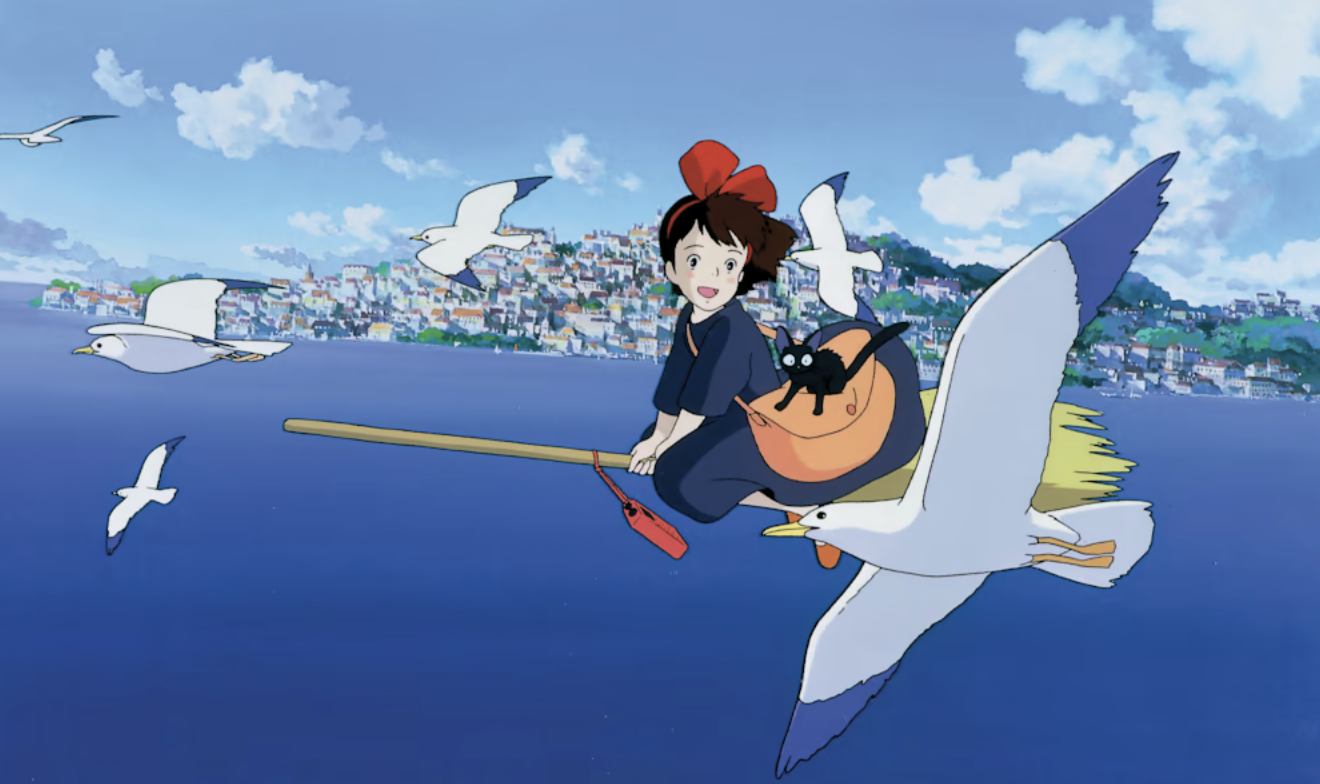
Celebrate this beloved coming-of-age story from the legendary Studio Ghibli, creators of Spirited Away, and Academy Award-winning director Hayao Miyazaki, about a resourceful young witch who uses her broom to create a delivery service, only to lose her gift of flight in a moment of self-doubt. It is a tradition for all young witches to leave their families on the night of a full moon and fly off into the wide world to learn their craft. When that night comes for Kiki, she embarks on her new journey with her sarcastic black cat, Jiji, landing the next morning in a seaside village, where her unique skills make her an instant sensation. Don’t miss this delightfully imaginative and timeless story of a young girl finding her way in the world. The June 11 screenings feature the English dubbed voices of Kirsten Dunst, Janeane Garofalo, Phil Hartman, and Debbie Reynolds.
Read MoreWIT Life #366: 読書の秋
Food & Drink, Translating/Interpreting, Uncategorized, WIT Life Comments Off on WIT Life #366: 読書の秋
Interpreter/Translator/Writer Stacy Smith (Kumamoto-ken CIR, 2000-03) presents WIT Life, a periodic series about aspects of Japanese culture such as art, film, food and language. Stacy starts her day by watching Fujisankei’s newscast in Japanese, and here she offers some interesting tidbits and trends along with her own observations.
Time flies and hard to believe that we are already at the beginning of fall. For all of you bookworms like myself, as the title says this season is often called 読書の秋 (dokusho no aki or “autumn is for reading)”. Alternatively, for those who love pumpkin spice and everything nice, it is also known as 食欲の秋 (shokuyoku no aki or “season of good appetite”/”fall is for eating”). Other versions include 実りの秋 (minori no aki or “the harvest season”), 芸術の秋 (geijutsu no aki or “best season for enjoying art”), and スポーツの秋 (supo-tsu no aki or “best season for sports”).
Japan had its state funeral for former PM Shinzo Abe this week, with many waiting to offer their condolences and many others offering vociferous protest. His assassination has revealed the deep connections between the Liberal Democratic Party and the Unification Church, the repercussions of which are yet to be seen. This NYT article from earlier in the month touches on the relationship between the LDP and the church, in the context of Japan’s thriving telegram industry. For a heart-warming read, check out this other NYT article which talks about “baby workers” in Japan’s nursing homes.
On a personal note, I recently interpreted at a Japanese food event called “Taste of Japan in New York” that was held at Carnegie Hall. Many famous chefs attended from Japan, sharing their knowledge and creating one-of-a-kind menus focused on the country’s rich fermentation culture. PM Fumio Kishida was in town for the UN General Assembly and appeared at the end as a surprise guest! In his remarks, he highlighted how next month Japan will loosen its Covid restrictions and once again welcome individual tourists. I’ve tried to get back to Japan twice during the pandemic, so I’m hoping three times is a charm for my visit scheduled for next year!
JQ Magazine: The Joy of Sake Returns to NYC
Events, Food & Drink, JQ Magazine Comments Off on JQ Magazine: The Joy of Sake Returns to NYC
By JQ magazine editor Justin Tedaldi (CIR Kobe–shi, 2001-02). Justin has written about Japanese arts and entertainment for JETAA since 2005. For more of his articles, click here.
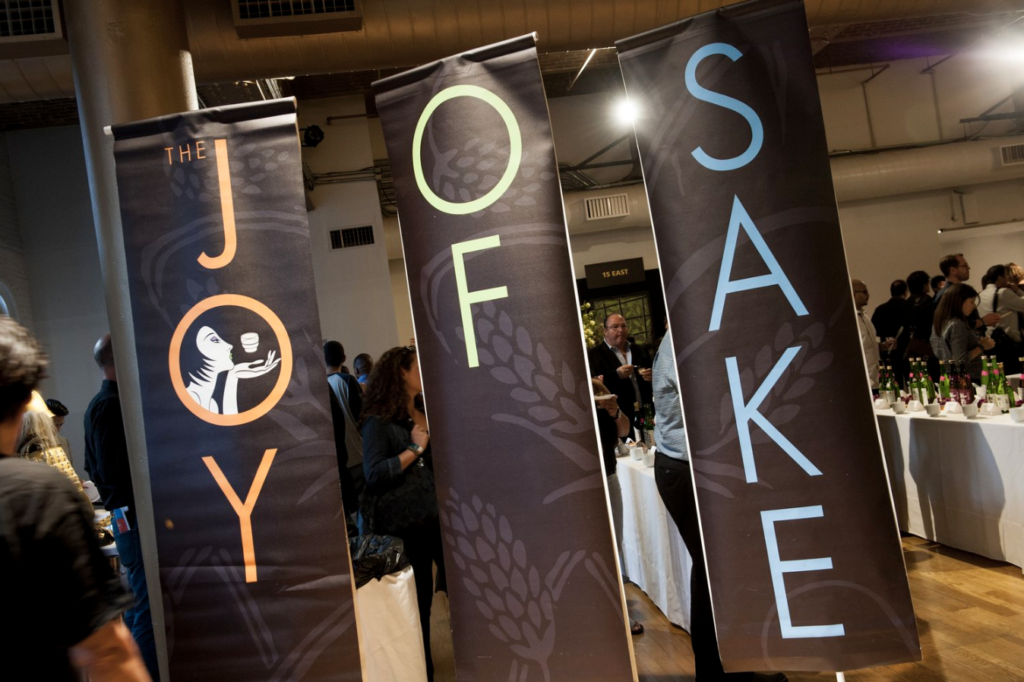
A beverage that can be paired with foods as diverse as sushi, chocolate and even pizza, American sake lovers are eagerly awaiting the return of The Joy of Sake, the world’s largest sake tasting outside Japan, which returns to New York’s Metropolitan Pavilion in Chelsea on August 4 with the biggest sake celebration in the city’s history.
After a hiatus due to the pandemic, this year’s event will feature a record 576 competition-level sakes (up from 513 in 2019) and top restaurants serving sake-inspired appetizers.
Now in its 21st year, The Joy of Sake celebrates the ancient art of sake-brewing. It features hundreds of premium daiginjo, ginjo and junmai labels from every sake-brewing region in Japan, including over 300 sakes not available in the U.S. “After such a challenging time for everyone,” said Joy of Sake founder Chris Pearce, “we wanted to bring this celebration back better than ever and support both the sake makers and New York’s resilient restaurant scene.”
Read more at JQ magazine.
Japan Writers Conference: Melinda Joe on food writing
Food & Drink, Japan Writers Conference Comments Off on Japan Writers Conference: Melinda Joe on food writing
Posted by Tom Baker
Japan Times columnist Melinda Joe gave a presentation titled “So You Want to be a Food Writer” at the most recent Japan Writers Conference.
You can watch her presentation below, and find more JWC presentations at the Japan Writers Conference YouTube Channel.
Also, if you would like to give your own presentation at the 2022 Japan Writers Conference this October, you can submit a proposal here. The deadline is June 1.
Krewe of Japan Podcast E19 – Sake Sippin’ with Brian Ashcraft
Audio, Celebrity, Food & Drink, Interview/Profile Comments Off on Krewe of Japan Podcast E19 – Sake Sippin’ with Brian Ashcraft
Posted by: Doug Tassin (Fukushima-Ken ALT, 2007-2010 & Krewe of Japan Podcast Co-Host)
This week on the Krewe of Japan Podcast…
Did you know New Orleans is the home to the Gulf Coast’s only sake brewery? The Krewe didn’t until a few weeks ago! Nigel & Doug sit down reminisce about their first encounters with sake before sitting down for a sake deep dive with Brian Ashcraft, author of the award winning Japanese Sake Bible. Brian talks about what led to his interest in Japan and sake, shares some behind-the-scenes info into the creation of his comprehensive guide to Japanese rice wine, and provides insight on things that all sake enthusiasts need to know. Kanpai!
And check out last week’s episode in case you missed it! Episode 19 – Greatest Anime of All-Time pt. 3 – Modern Day Anime (2010 – present) – closes out the anime mini-series, spotlighting some of the biggest anime of today (we’re looking at you Demon Slayer, Attack on Titan, & My Hero Academia). The Krewe also digs into how sub-genres took the main stage and how streaming platforms completely changed the game.
The Krewe of Japan Podcast is a weekly episodic podcast sponsored by the Japan Society of New Orleans. Check them out every Friday afternoon around noon CST on Apple, Google, Spotify, Amazon, and Stitcher. Want to share your experiences with the Krewe? Or perhaps you have ideas for episodes, feedback, comments, or questions? Let the Krewe know by e-mail at kreweofjapanpodcast@gmail.com or on social media (Twitter: @kreweofjapan, Instagram: @kreweofjapanpodcast, Facebook: Krewe of Japan Podcast Page, & the Krewe of Japan Youtube Channel). Until next time, enjoy!
WIT Life #354: 969 NYC Coffee
Food & Drink, Translating/Interpreting, Uncategorized, WIT Life Comments Off on WIT Life #354: 969 NYC Coffee
Interpreter/Translator/Writer Stacy Smith (Kumamoto-ken CIR, 2000-03) presents WIT Life, a periodic series about aspects of Japanese culture such as art, film, food and language. Stacy starts her day by watching Fujisankei’s newscast in Japanese, and here she offers some interesting tidbits and trends along with her own observations.
Japan’s COVID-19 situation continues to worsen, and the state of emergency declaration for Tokyo, Osaka and eight other prefectures has been extended through mid-June. Okinawa in particular has shown high case numbers as of late. And yet the Olympics are still scheduled to proceed without a hitch?…Meanwhile, here in the U.S. we are slowly coming out of our quarantine slumber and rejoining the real world. Last weekend’s warm temperatures allowed my partner and I to discover a great Japanese cafe during a walk.
This spot is 969 NYC Coffee, opened by owner/chef Mitsumine Oda in 2016. He worked in the past for a Tokyo company, but he hated being a salaryman under someone else’s direction. Sick of long hours and in search of independence, he decided to quit and strike out on his own in the U.S. Oda first worked at a sushi cafe in Manhattan for three years, where he earned enough money to buy a house for himself and his sister and mother, who had also immigrated and became citizens.
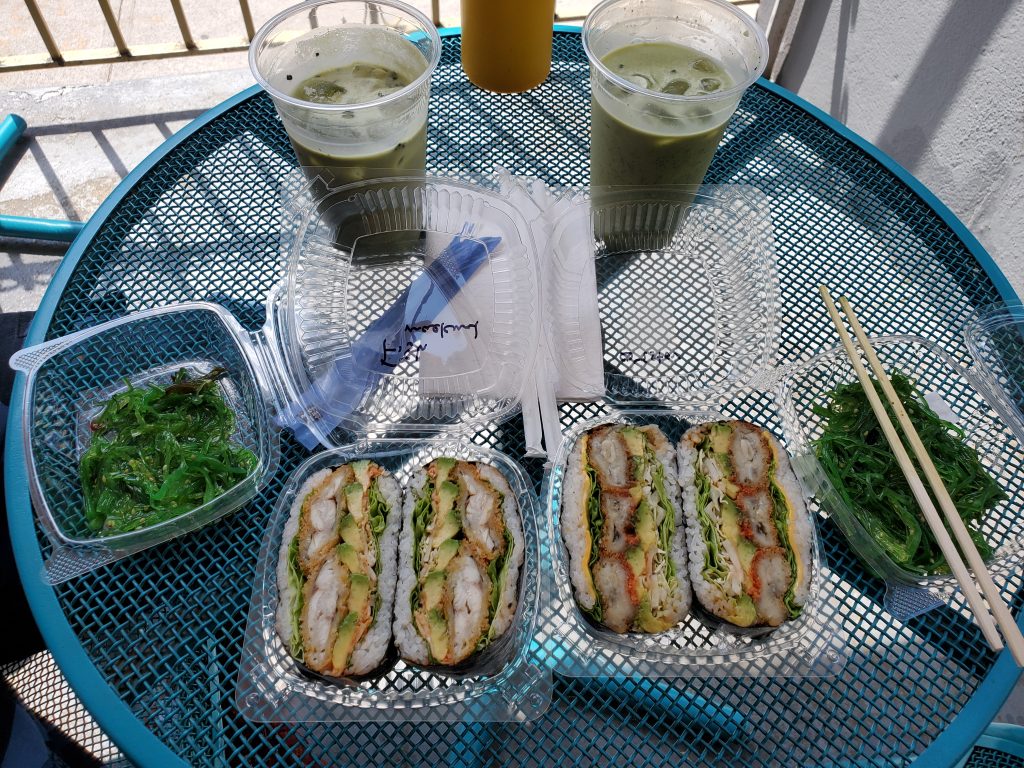
969 NYC Coffee’s menu features a variety of onigiri, ramen, sushi and other Japanese food faves. Don’t be fooled by the name, as it also has an extensive menu of non-coffee drinks, especially matcha options. We got a smattering of delicious dishes, starting with onigirazu, a sandwich with rice instead of bread and wrapped in seaweed (I tried this for the first time and found it to be very filling!). We enjoyed the two types of Hiroshima fried oyster (カキ or kaki), adorned with avocado and a slice of American cheese, and fried mackerel (アジ or aji), also with avocado as well as a spicy mayo sauce. Rounding out our meal were seaweed salads and luxurious coconut milk matcha lattes (made with matcha from Japan, Oda noted.)
Krewe of Japan Podcast E14 – 4 Seasons of Japan & E15 – Careers in Japanese: Translation & Localization ft. Jennifer O’Donnell
Audio, Career, Food & Drink, Jobs, Networking, Translating/Interpreting, Travel/Tourism Comments Off on Krewe of Japan Podcast E14 – 4 Seasons of Japan & E15 – Careers in Japanese: Translation & Localization ft. Jennifer O’Donnell
Posted by: Doug Tassin (Fukushima-Ken ALT, 2007-2010 & Krewe of Japan Podcast Co-Host)
Last week on the Krewe of Japan Podcast…
Did you know Japan has 4 seasons? In this episode, Doug & Jenn take you on an audio journey through Japan’s four seasons. From the top cultural events and natural phenomena that you must see, to the weather and must try seasonal food and drinks, this episode if perfect for those reminiscing about their last trip and those planning their future one.
This week on the Krewe of Japan Podcast…
Enjoy studying Japanese and want to work in an industry where you can apply those skills? How do you even get into translation and localization? The Krewe has you covered. Doug & Jenn chat with another Jenn: Jenn O’Donnell, a localization director in the game industry based out of Japan. Jenn shares her career path, some challenges she had to overcome, and how Twitter played an interesting role in her journey to becoming a video game localizer.
The Krewe of Japan Podcast is a weekly episodic podcast sponsored by the Japan Society of New Orleans. Check them out every Friday afternoon around noon CST on Apple, Google, Spotify, Amazon, and Stitcher. Want to share your experiences with the Krewe? Or perhaps you have ideas for episodes, feedback, comments, or questions? Let the Krewe know by e-mail at kreweofjapanpodcast@gmail.com or on social media (Twitter: @kreweofjapan, Instagram: @kreweofjapanpodcast, Facebook: Krewe of Japan Podcast Page, & the Krewe of Japan Youtube Channel). Until next time, enjoy!
Krewe of Japan Podcast E13 – Talking Konbini: Irasshaimase!
Audio, Food & Drink, Japan Fix Comments Off on Krewe of Japan Podcast E13 – Talking Konbini: Irasshaimase!
Posted by: Doug Tassin (Fukushima-Ken ALT, 2007-2010 & Krewe of Japan Podcast Co-Host)
This week on the Krewe of Japan Podcast…
IRASSHAIMASE! Grab a milk tea and tuna-mayo onigiri and join Jennifer & Doug as they completely torture themselves talking about all the goodies you can get at Japanese Convenience Stores! Discover the role convenience stores play in daily life, konbini “must buys”, important phrases to help survive checking out, & most importantly, the best konbini chain to rule them all. If you weren’t craving a melon soda and FamiChiki before, consider this an apology in advance. MATA OKOSHI KUDASAIMASE!
The Krewe of Japan Podcast is a weekly episodic podcast sponsored by the Japan Society of New Orleans. Check them out every Friday afternoon around noon CST on Apple, Google, Spotify, Amazon, and Stitcher. Want to share your experiences with the Krewe? Or perhaps you have ideas for episodes, feedback, comments, or questions? Let the Krewe know by e-mail at kreweofjapanpodcast@gmail.com or on social media (Twitter: @kreweofjapan, Instagram: @kreweofjapanpodcast, Facebook: Krewe of Japan Podcast Page, & the Krewe of Japan Youtube Channel). Until next time, enjoy!
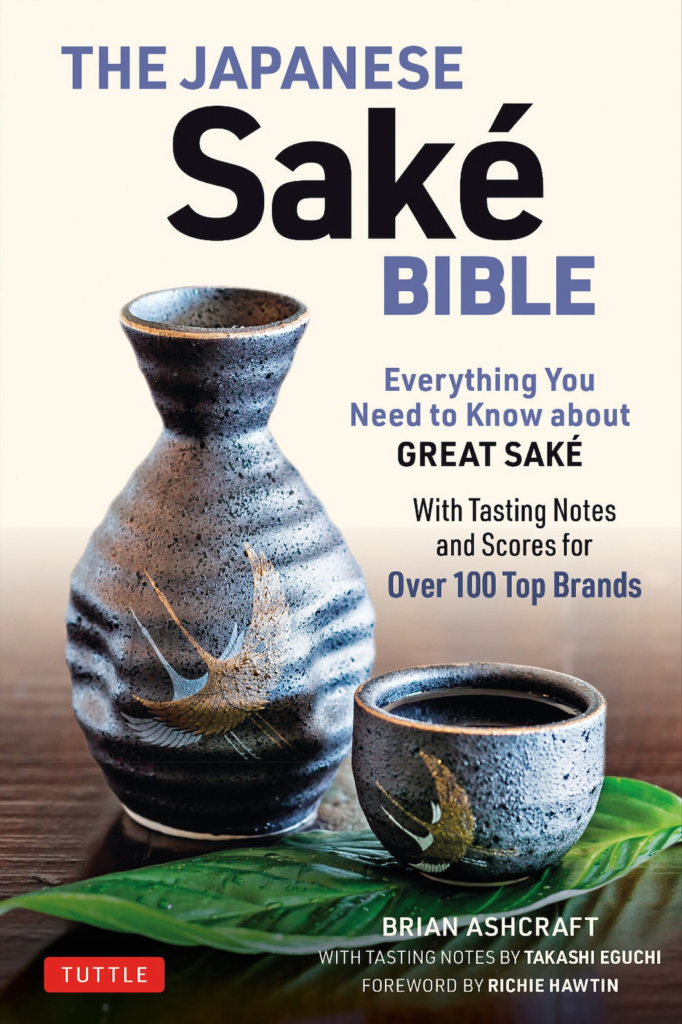
JQ Magazine: Book Review — ‘The Japanese Sake Bible’
Article/Journalism, Books, Food & Drink, JQ Magazine, Reviews Comments Off on JQ Magazine: Book Review — ‘The Japanese Sake Bible’
By Rashaad Jorden (Yamagata–ken, 2008-10; Kochi-ken, 2018-2020) for JQ magazine. A former head of JETAA Philadelphia’s Sub–Chapter, Rashaad is a graduate of Leeds Beckett University with a master’s degree in responsible tourism management. For more on his life abroad and enthusiasm for taiko drumming, visit his blog at www.gettingpounded.wordpress.com.
Maybe it’s a bit too strong for your liking. Or maybe it contributed to an unpleasant hangover. But it’s quite possible it was a part of your JET experience.
I’m talking about sake. Anyone curious about what they might have been sipping at an enkai would do well to pick up The Japanese Sake Bible. Compiled by Kotaku Senior Contributing Editor Brian Ashcraft, this comprehensive work examines the world of sake—most notably its origins, its rise to becoming “Japan’s National bBeverage” (coincidentally the title of the first chapter), and tips on how to make the drink yourself.
True to its name, Ashcraft creates a book heavy on history. It’s clear upon looking at the first page of the aforementioned first chapter that this Bible will be more or less Sake 101 (oddly enough, the origins of sake were addressed not at the beginning of the book, but in chapter five). Although the author presents a lot of facts that will probably go over readers’ heads, he excels at thoroughly explaining in detail topics like the definition of sake, which is legally defined as being filtered from fermented rice, koji and water, and the differences between sake, wine and beer.
Although the book is in large part an introduction to the drink, it also serves as a guide for aspiring, if not full-fledged, sake connoisseurs. Ashcraft (also the author of Japanese Whisky) presents to readers more categories of sake than one might have thought actually existed: there’s well-polished sake, sparkling sake, and raw and unprocessed sake. Also, niche sake that might not be easy to find.
Read MoreJQ Magazine: Nippon in New York — ‘Ride Your Wave,’ ‘Nourishing Japan,’ ‘Children of the Sea’
Art, Article/Journalism, Film, Food & Drink, JETs in the News, JQ Magazine Comments Off on JQ Magazine: Nippon in New York — ‘Ride Your Wave,’ ‘Nourishing Japan,’ ‘Children of the Sea’
By JQ magazine editor Justin Tedaldi (CIR Kobe–shi, 2001-02). Justin has written about Japanese arts and entertainment for JETAA since 2005. For more of his articles, click here.
Stay warm this winter with some hot local events, from live showcases that will transport you to another time and place, some new anime screenings, and a theatrical performance you won’t want to miss. This month’s highlights include:

Wednesday, Feb. 19, 7:00 p.m.
Various locations and prices
From visionary director Masaaki Yuasa (The Night is Short, Walk on Girl, Devilman Crybaby) comes a deeply emotional new film that applies his trademark visual ingenuity to a tale of romance, grief and self-discovery. Hinako is a surf-loving college student who has just moved to a small seaside town. When a sudden fire breaks out at her apartment building, she is rescued by Minato, a handsome firefighter, and the two soon fall in love. Just as they become inseparable, Minato loses his life in an accident at sea. Hinako is so distraught that she can no longer even look at the ocean, but one day she sings a song that reminds her of their time together, and Minato appears in the water. From then on, she can summon him in any watery surface as soon as she sings their song, but can the two really remain together forever? And what is the real reason for Minato’s sudden reappearance?
Thursday, Feb. 20, 7:00 p.m.
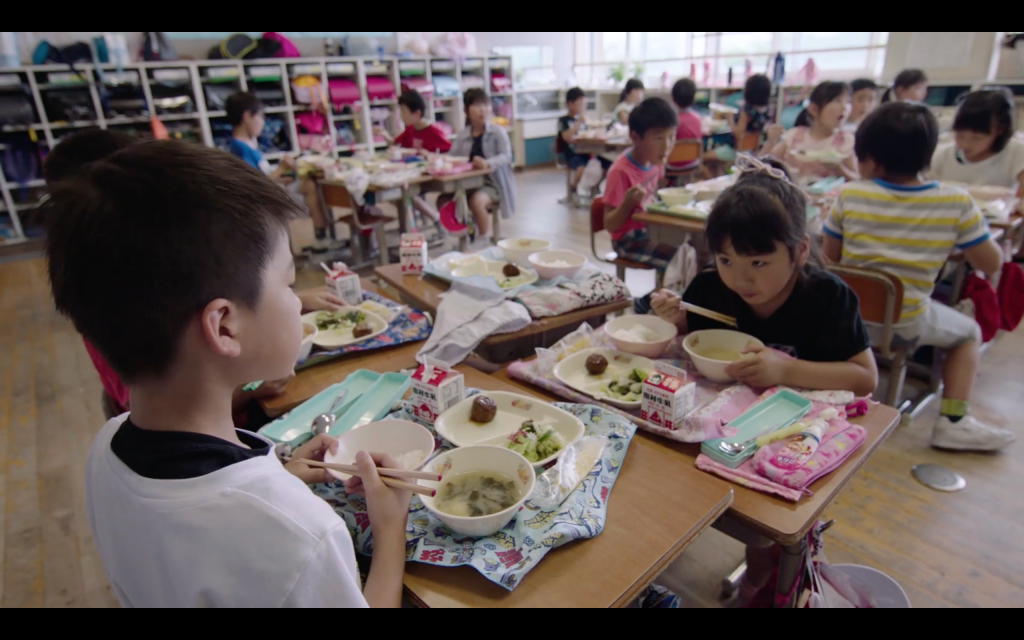
Nourishing Japan: Food Education & School Lunch in Japan
MOFAD (Museum of Food and Drink), 62 Bayard Street (Brooklyn)
$25
Embark on a delicious journey from farmer’s field to school classroom that celebrates how one country has re-imagined school lunch and food education. At the heart of Japan’s 2005 Food Education Law are the incredible people whose daily work nourishes the next generation’s relationship to food, the earth, and one another. Join documentary filmmaker (and JET alumna) Alexis Agliano Sanborn (Shimane-ken, 2009-11) for the public premiere of this film. After the screening, Alexis will be joined in conversation with Yoriko Okamoto and Susan McCormac of JapanCultureNYC. Opening remarks will be given by Jennifer L. Pomeranz, Assistant Professor of Public Health Policy and Management at NYU. Reception with sake courtesy of SOTO and bites courtesy of Bessou and Kokoro Care Packages to follow.
Friday, Feb. 21, 6:30 p.m.
SVA Theatre, 333 West 23rd Street
New York International Children’s Film Festival
Various locations
$17.50
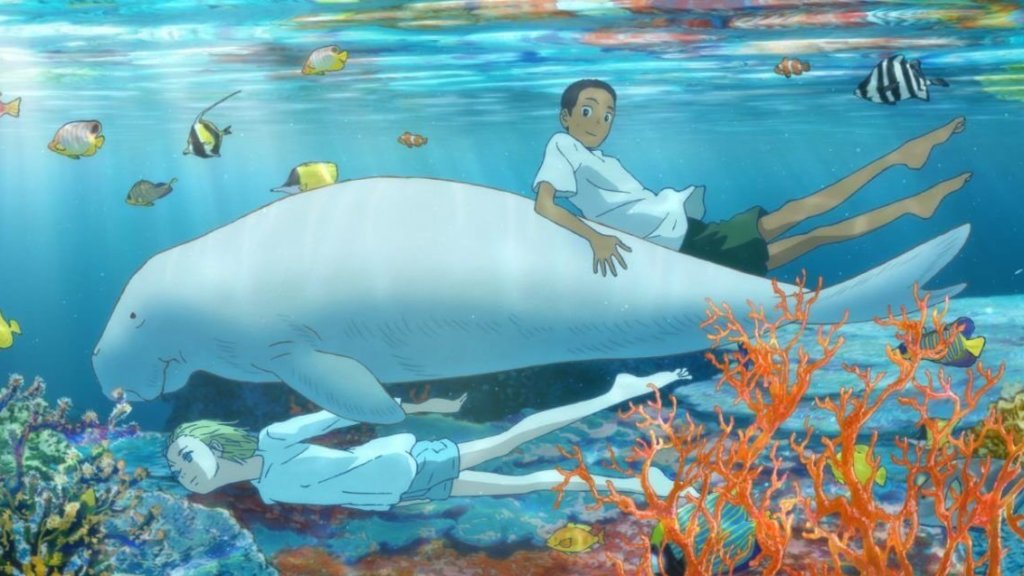
East Coast premiere for the New York International Children’s Film Festival! Adapted from the acclaimed manga comes this visually dazzling, mind-bending aquatic mystery. Ruka’s dad is so absorbed in his studies at the aquarium that he hardly notices when she befriends Umi and Sora. Like Ruka, the mysterious duo has the unique ability to hear the call of the sea and its endangered creatures. Together, can they save them?
Read MoreJQ Magazine: Nippon in New York — Dance at Japan Society, ‘Weathering with You,’ New York Times Travel Show
Article/Journalism, Events, Film, Food & Drink, JQ Magazine Comments Off on JQ Magazine: Nippon in New York — Dance at Japan Society, ‘Weathering with You,’ New York Times Travel Show
By JQ magazine editor Justin Tedaldi (CIR Kobe–shi, 2001-02). Justin has written about Japanese arts and entertainment for JETAA since 2005. For more of his articles, click here.
Start the new year right by heading down to your local concert venue, cinema, or arts center for some fantastic new year’s fare. Whether you enjoy movies, travel, or orchestral performances classic video games, treat yourself and catch a break from the cold.
This month’s highlights include:
Jan. 10-12, 14
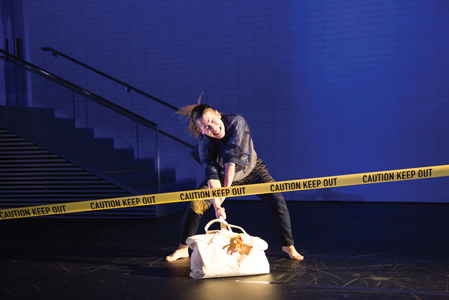
The Unknown Dancer in the Neighborhood
Japan Society, 333 East 47th Street
$35, $30 members
Back by popular demand after his North American debut of Girl X in 2017 at Japan Society, Suguru Yamamoto, one of Japan’s hottest young playwright-directors and founder of theater company HANCHU-YUEI, returns with his latest one-man dance theater piece. The Unknown Dancer in the Neighborhood features Yamamoto’s signature directing style, in which characters’ thoughts are conveyed through projected words, alluding to the millennial generation’s preferred mode of communication—texting. Through movement, photography and colorful lighting, Yamamoto reveals the indifference and tenderness of a metropolis where the lives of complete strangers continuously interact and coalesce.
Opens Wednesday, Jan. 15
Various locations and prices
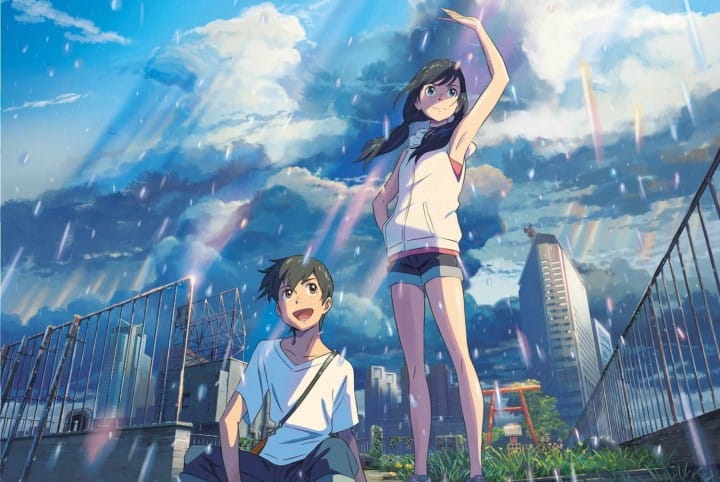
Catch the highly-anticipated new film from director Makoto Shinkai and producer Genki Kawamura, the creative team behind the critically-acclaimed, global smash hit Your Name! The summer of his high school freshman year, Hodaka runs away from his remote island home to Tokyo, and quickly finds himself pushed to his financial and personal limits. The weather is unusually gloomy and rainy every day, as if to suggest his future. He lives his days in isolation, but finally finds work as a writer for a mysterious occult magazine. Then one day, Hodaka meets Hina on a busy street corner. This bright and strong-willed girl possesses a strange and wonderful ability: the power to stop the rain and clear the sky. But what happens when controlling the weather leads to unforeseen problems for the pair and Japan itself?

Jan. 24-26
The New York Times Travel Show
Jacob K. Javits Center, 655 West 34th Street
$20-$25
Calling all travel professionals: Set your wanderlust free! Now celebrating its 17th year, this annual event features over 35,000 travel professionals, with over 740 exhibitor booths representing more than 170 destinations. Get the latest information you need for planning your next global destination with dozens of destination-specific seminars, and focused niche topics from cruises to family travel, exclusive trade-only exhibition hours, and an industry reception.
Want to stay in the loop on future events? Follow Justin on Facebook and Twitter.
WIT Life #337: Japanese Home Cooking
Food & Drink, Translating/Interpreting, Uncategorized, WIT Life, Writers Comments Off on WIT Life #337: Japanese Home Cooking
Interpreter/Translator/Writer Stacy Smith (Kumamoto-ken CIR, 2000-03) presents WIT Life, a periodic series about aspects of Japanese culture such as film, food and language. Stacy starts her day by watching Fujisankei’s newscast in Japanese, and here she offers some interesting tidbits and trends along with her own observations.
It’s been a long time since I’ve written here, and I can’t believe the holiday season is already upon us! If you are like me and are still in the midst of Christmas gift shopping, what better present is there than books? In the last week I’ve visited various bookstores in the city, and was lucky enough to be introduced to the fantastic new cookbook Japanese Home Cooking (Simple Meals, Authentic Flavors) from the cooking teacher, noodle maker, grain activist and author Sonoko Sakai.
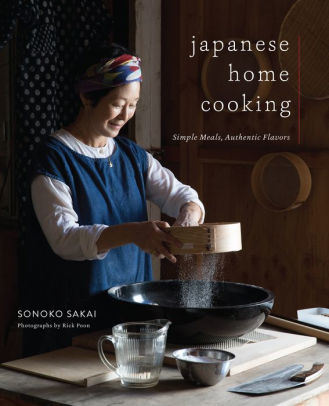
California-based, Queens-born Sakai shares personal stories while showcasing traditional Japanese dishes in this beautifully photographed book. She offers readers advice on how to stock their pantries with the necessary ingredients for creating any Japanese meal, as she views this as the most important aspect of Japanese cuisine (she often takes students on tours of Japanese grocery stores as they can be hard to navigate if you are not familiar with what is being sold). I like how she opens the book by describing freshness, beauty, seasonality, simplicity and economy as the five keys to Japanese cooking. As an introduction she also breaks down the five elements of cooking and eating (i.e. five colors, five senses, five flavors), making these essential aspects easy to remember.
JQ Magazine: From Enkais to International Sake Judge: My Wonderful World of Nihonshu
Article/Journalism, Events, Food & Drink, JQ Magazine Comments Off on JQ Magazine: From Enkais to International Sake Judge: My Wonderful World of Nihonshu
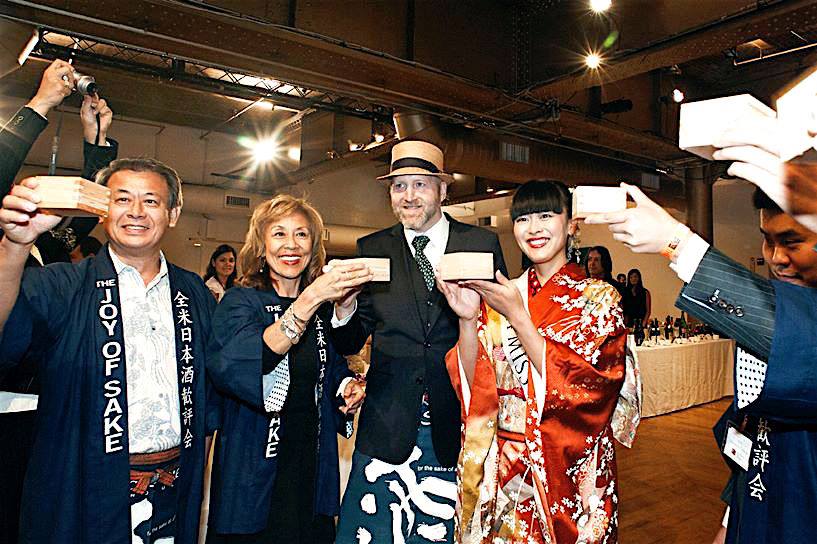
The author at The Joy of Sake New York, September 2014 (Courtesy of Chris Johnson)
By Chris Johnson (Oita-ken, 1992-95) for JQ magazine. An SSI-certified sake sommelier based in New York City, Chris is also known as the Sake Ninja and serves on the board of directors of The Joy of Sake.
It is day two of my tenure as an AET in Kusu-machi in Oita Prefecture. After organizing my desk, I spent the morning greeting the mayor, the head of the board of education, my section boss, my subsection boss and my co-workers at the yakuba. Day turned to evening and I already learned my tenth word of the day: enkai. Party, banquet, reception, dinner, but as most JETs will recognize…this means sake. As a new member of an office or school we are kohai to everyone, which happens to mean a lot of sake.
I had enkais with the board of education, the financial department, the surveying department, the events department, the communications department (basically, all of the departments!). I had them with the English teachers, with the seven different junior high school teachers’ groups, the volleyball team, the baseball team (as the first foreigner from the U.S. to live in town, I was a little popular)…
With all that sake sipping, did I instantly grow to love sake? Not exactly. We always had a very good locally brewed sake, but it was almost always warm and I never quite sipped it to really understand it; it was more like a placeholder between a beer kanpai and the slow transition to whiskey and karaoke.
Three years later at my farewell party I was presented with an 1800 ml bottle of Yatsushika Junmai Daiginjo sake from a famous producer in Oita. Exactly. “What is a Junmai Daiginjo?,” I thought, “and how can I fit this in my already overstuffed luggage? It’s just sake.” All these thoughts happened while on stage receiving this wonderful yet misunderstood gift. I decided then and there to share it with everyone: less luggage, less sake and everybody happy. Win-win. Kanpai and…what?!? Why have I not had this amazing beverage before? I need this in my life.
