




The 113 Project: Tohoku Film Series
 Cultural Outreach, Earthquake Tsunami, Fundraising, Volunteer
  Comments Off on The 113 Project: Tohoku Film Series
JET Community Helps Raise Nearly $50,000 to Support Ishinomaki Students
Earthquake Tsunami, Fundraising, Return on JET-vestment Comments Off on JET Community Helps Raise Nearly $50,000 to Support Ishinomaki Students
Taken from the JETAA USA website:
Update on JETs Rally for Tohoku Fundraiser
Tuesday, March 11th marked the 3-year anniversary of the worst disaster to hit Japan in recent history. 3.11 is a date that few people connected with Japan will ever forget. This is particularly true for alumni of the Japan Exchange and Teaching Program (JET Program) – a unique program organized by the Japanese government that hires recent college graduates from all over the world to be assistant language teachers and international relations coordinators for local prefectural governments.
During the earthquake and tsunami of March 11, 2011, two JET participants lost their lives: Monty Dickson and Taylor Anderson. The families of these JETs have worked hard to share their stories and help the devastated communities where their loved ones lived and died. In particular, the Taylor Anderson Memorial Fund was created to support the students and schools in Ishinomaki and the Tohoku region.
Since 2011 JET participants and alumni worldwide have also worked to support the disaster response, so far raising over $500,000 for the relief and recovery effort. As part of this effort the JET Alumni Association USA created a relief fund that has distributed almost $90,000 in grants for educational programs in the disaster zone.
This year, JETs mobilized again to support the Taylor Anderson Memorial Fund with an online fundraising campaign entitled JETs Rally for Tohoku. In the first 24 hours, starting at midnight on March 11, 2014, Japan time, JET alumni, current JET participants, and friends around the world contributed more than $20,000 through Global Giving, an internationally recognized donation website. These funds were raised through social media and word of mouth, as well as through events in San Francisco and elsewhere around the United States.
By March 18, one week later, a total of 333 people had donated $24,238. Global Giving has pledged to match these donations, bringing the total mobilized to more than $48,000 — a formidable sum demonstrating the commitment of the global JET community to the recovery of the Tohoku region. These funds will be used for a series of initiatives supported by the Taylor Anderson Memorial Fund: a community library for students in hard-hit Ishinomaki, scholarships for local students, and PTSD training to assist area residents.
The JETs Rally for Tohoku fundraising website on Global Giving will be left open for regular donations which means JETs can continue to spread the word, raise funds and support the people of Japan – a country close to all of their hearts.
For more information, please visit:
· JETs Rally for Tohoku
· Taylor Anderson Memorial Fund
· JET Alumni Association USA
· JET Program
Questions can be directed to Casey Marie Mochel at us1.jetaausa [at] gmail.com
$10K in Matching Funds for Tohoku Relief Still Remains!
Earthquake Tsunami, Fundraising, Return on JET-vestment Comments Off on $10K in Matching Funds for Tohoku Relief Still Remains!
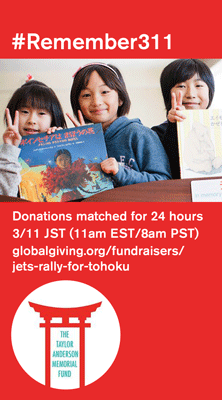 If you’d still like to donate to the Taylor Anderson Memorial Fund (TAMF) in support of Tohoku relief efforts, there’s still time! $10,000 of matching funds remains but will no longer be available in a few days.
Donation website: http://www.globalgiving.org/fundraisers/jets-rally-for-tohoku/
The JET/JET Alum community has already come through to an inspiring extent, raising $23,968 for the TAMF through Global Giving. This is already beyond prior expectations, and the Anderson family (which on Thursday attended a showing of “Live Your Dream: The Taylor Anderson Story“at the Council on Foreign Relations which included State Department and Japanese Embassy representatives as well as a strong JETAA DC crew) has been extremely appreciative.
But if you haven’t had a chance to donate yet or you feel like making another donation, please know that for the next day or two matching funds still remain.
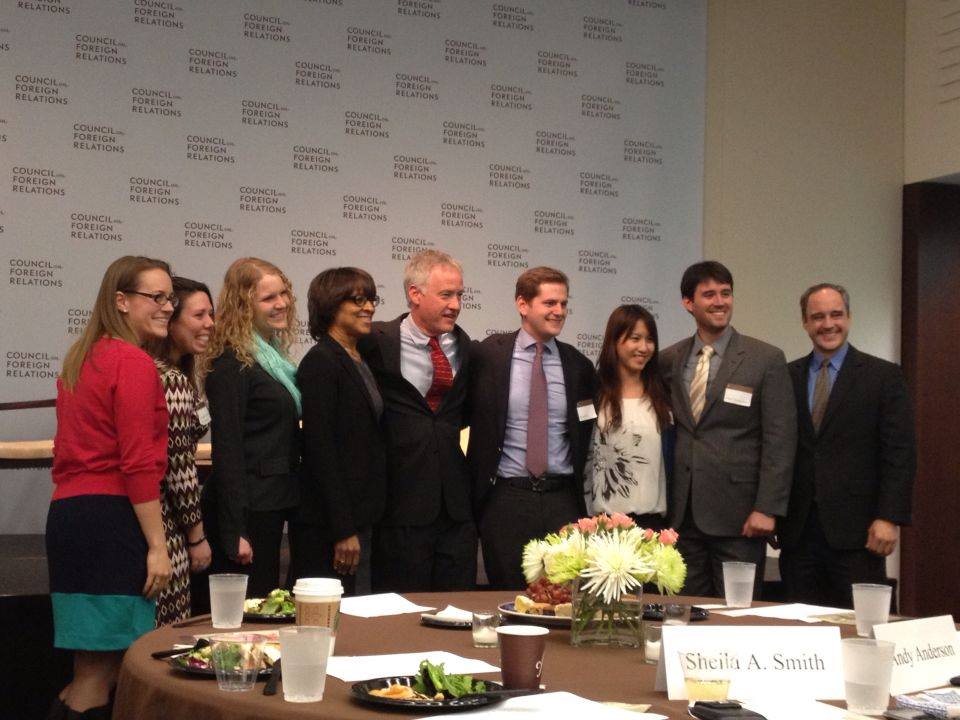
Thursday’s showing of “Live Your Dreams: The Taylor Anderson Story” at the Council on Foreign Relations. Those pictured include Andy Anderson (middle), Paige Cottingham-Streater (middle-left), Jim Gannon (right) and JETAA DC’s Joanna Blatchly, Leigh Ann Mastrini, Rebeka Solem, Joy Young, and Paul Champaloux.
Donate for Tohoku on March 11 and Make Your Support TWICE As Effective!
Earthquake Tsunami, Fundraising, JETAA Chapters, Return on JET-vestment Comments Off on Donate for Tohoku on March 11 and Make Your Support TWICE As Effective!
3/11 Update: FYI, the 24 hour deadline for Global Giving to match donations to the Taylor Anderson Memorial Fund and other 3/11 initiatives has been lifted, and they will continue to match JET contributions until matching funds run out. So JETs/alums can continue to double their donations!
*Link to the Global Giving Matching Page: http://www.globalgiving.org/leaderboards/japan-matching-2014/ to see how much various groups are raising.
*Link to the JETAA USA Event Page: https://www.facebook.com/jetaausa
*The link to donate has been added!
Put this on your calendar!
JETAA USA is supporting the Taylor Anderson Memorial Foundation for a 24 hour donation drive that starts when the clock strikes midnight in Japan on March 11. And GlobalGiving has offered to match these donations.
This is a great opportunity to show our ongoing support for Tohoku by going to the Global Giving website on March 11th to make a donation during the matching grant period.
Online donation drive
Donation website: http://www.globalgiving.org/fundraisers/jets-rally-for-tohoku/
Starts: 12:00 midnight Japan time on 3/11 (11 am EST, March 10; 8 am PST, etc)
Ends: 11:59 p.m. Japan time on 3/11 (10:59 am EST on March 10)
Background
Three years have passed since the Great East Japan Earthquake and Tsunami and the devastation in Tohoku has largely faded from the news. However, so much remains to be done for the survivors and TAMF has been partnering with a number of organizations in Japan to provide relief and help the people of Tohoku build a strong and vibrant future.
Smile Together IshinomakiTAMF has provided funding to the following projects:
-
Living Dreams: Tohoku Kids Project
-
Hope for Tomorrow
-
JET Micro Grants
-
Taylor Anderson Reading Corners
-
Taylor Sendai YMCA Scholarships
-
Exchange Programs
For more information on TAMF, please go to http://www.taylorandersonmemorialfund.org/, their Facebook page at https://www.facebook.com/taylorandersonmemorialfund, or watch the NHK interview with Jeanne and Andy at https://vimeo.com/86637051.
JETAA USA is proud to partner with TAMF to carry on the support JETs and JET alumni have shown for Japan and the people of Tohoku ever since March 2011.
Details:
All donations up to $1,000 per individual donor made to the Taylor Anderson Memorial Fund on March 11th Japan time will be matched by Global Giving through their Japan Match Global Giving program. (Global Giving will charge a 15% facilitation fee to cover their costs, which donors may choose to cover if they wish so that their full donation amount goes to TAMF. See the page for details.)
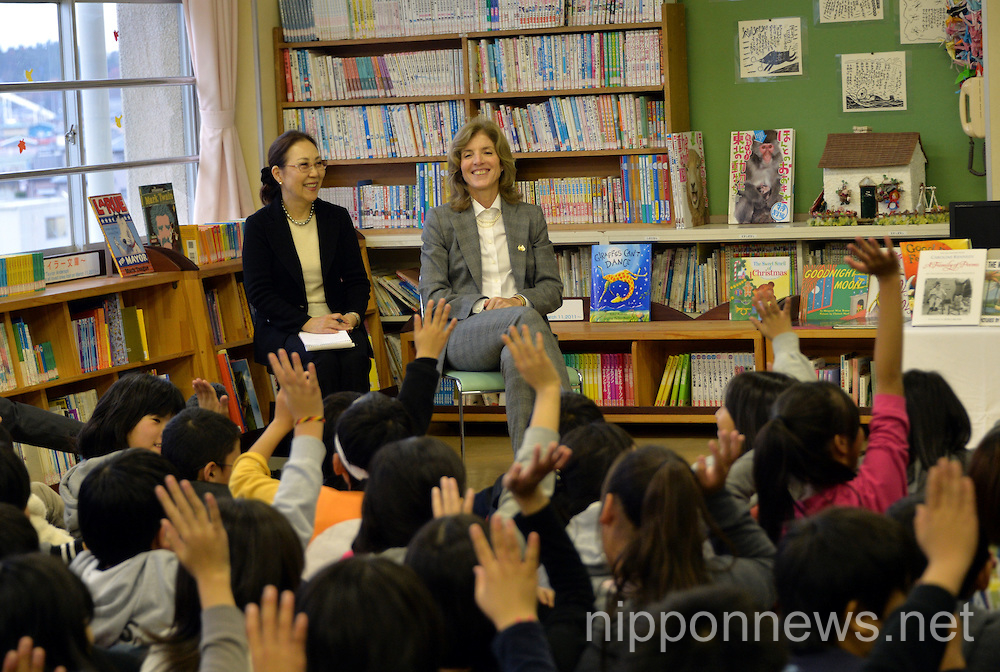
We are also very happy to see Ambassador Kennedy giving her backing to their mission, as well. For coverage of her recent trip to Ishinomaki and visit to Mangokuura Elementary School, where Taylor taught, please check out the article at http://ajw.asahi.com/article/0311disaster/recovery/AJ201311250099.
Justin’s Japan: Nippon in New York—Japan Week at Grand Central, Mayday debut, Jake Shimabukuro
Article/Journalism, Events, Fundraising, Justin's Japan, Music Comments Off on Justin’s Japan: Nippon in New York—Japan Week at Grand Central, Mayday debut, Jake Shimabukuro

Ukulele hero Jake Shimabukuro returns to Highline Ballroom March 27. (Courtesy of Highline Ballroom)
By JQ magazine editor Justin Tedaldi (CIR Kobe-shi, 2001-02) for Examiner.com. Visit his Japanese culture page here for related stories.
Tucked between Oscar and cherry blossom season, March offers an unmissable array of concerts, performances and exhibitions, along with a special gathering to mark the three-year anniversary of the Tohoku earthquake and tsunami.
This month’s highlights include:
March 1-2, 2:00 p.m.
Kaleidoscoping Tohoku: Three Years After the Disaster in 2011
J-LABO Brooklyn, 300-302 Seventh Street, Park Slope
Free
Three years have now passed since the tsunami, earthquake and nuclear accident in 2011 rocked Eastern Japan, yet those who have visited since have been enchanted by the rich culture and history of Tohoku, forging relationships with local residents across generations and geographies. Now, various new projects, art works, crafts, and business from the traditional and the contemporary have emerged. Contents of the two-day event include regional progress reports; a silent auction and charity sale; an exhibition featuring a display of local crafts and a documentary film of Fukushima residents; and of course, food and sake!
Monday, March 2, 11:00 a.m./2:00 p.m./4:30 p.m.
Engleman Recital Hall at Baruch Performing Arts Center, 55 Lexington Avenue
$25 advance/$31 day of event at box office
A show for all ages, this celebration of otaku culture displays how total devotion to one’s artistry creates a truly unique and unforgettable performance. With 15 years of experience, Syan is considered one of the top balloon artists of Japan, becoming the first person ever to win the triple crown of Japanese balloon competition the year he turned pro. A graduate of Japan’s only circus school, Saito is an accomplished juggler, acrobat, balloon twister, and award winner best known for his ninja performance, where he showcases his artistry while clad in black.
March 6-8
Vanderbilt Hall at Grand Central Terminal, 89 East 42nd Street
Free
Japan Week’s annual program highlights unique features of Japanese culture from the last 100 years to the present. Delectable regional foods, technology exhibits, and traditional arts and performances will aim to inspire greater understanding of Japan and travel to the country. There’s something for everyone, from the fresh aroma of Kyoto green tea; a new NTT DOCOMO smartphone app that translates spoken Japanese and English; an introduction to Japanese artistry including hand-blown glass house wares, wooden keyboards and USB’s, gold lacquered iPhone cases; and more. Those planning an international trip can head to the Visit Japan booth for in-person info about travel and various regions.
For the complete story, click here.
Return On JET-vestment: “This is Fukushima” Calendar 2014 Fundraiser
Cultural Outreach, Fundraising, Japan Local, Photography, Return on JET-vestment Comments Off on Return On JET-vestment: “This is Fukushima” Calendar 2014 Fundraiser
Thanks to Ryan McDonald (Fukushima-ken, 2002-05) for sharing the below. Another great example of Return On JET-vestment:
Last year, I and two other ex-JETs, created a calendar called This Is Fukushima. We paid for it ourselves and took donations from other ALTs in Fukushima. We made 2,500 copies and sent them around the world to the media, government officials, and even royalty. The goal was to show that Fukushima is more than a reactor. There is no Fukushima disaster, but there was a disaster in Fukushima. Too many people hear the word Fukushima and think it’s only a nuclear reactor.
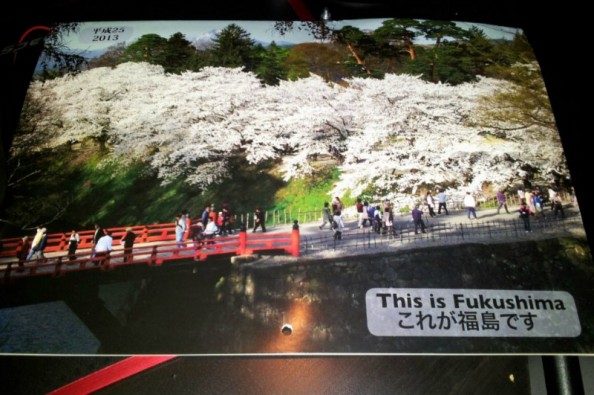
This is Fukushima Calendar (2013)
This year the theme will be people and interesting places. We already have a few people in mind that have and are continuing to help Fukushima. We are also going to have more photos of some of our unique festivals. We want to print 4,000 this time and have a larger version with one month per page.
There’s no question as to whether or not we can do it. We did already and can do it again. The only question is can we raise enough money to make it bigger and better. Any money raised over the goal will go to printing more calendars.
If you would like to donate, please go to GoFundMe.com
You can also look at some photos of Fukushima at http://www.ThisIsFukushima.org
- Ryan McDonald (USA)- (Fukushima-ken, 2002-05)
- Paul Sprigg (CA)– (Fukushima-ken, 2005–10)
- Henare Akurangi (NZ) – (Fukushima-ken, 2007–11)
JETAA USA Disaster Relief Fund Update – 06.01.13
Earthquake Tsunami, Fundraising, Japan Local, Notable JET Alums, Return on JET-vestment Comments Off on JETAA USA Disaster Relief Fund Update – 06.01.13
Jim Gannon (Ehime-ken, 1992-94), Executive Director of the Japan Center for International Exchange (JCIE/USA) and a member of the JETAA USA Disaster Relief Fund Committee, was recently in Tohoku for work and shared the following update regarding one of the projects that JETAA USA helped fund:
Jim says he met with Kodomo no Empowerment Iwate (click here for their Facebook page) and also had a chance to talk with two representatives of the Rikuzentakata Board of Education and learned:
- The BOE and many people in the prefecture see the Manabi-no-heya project we supported as a crucial element of the town’s recovery, and the Ministry of Education has selected it as a model project for introduction around the country.
- They currently have 206 students enrolled in Rikuzentakata alone, and have expanded to Kamaishi, Ofunato, Miyako, and other affected cities, adjusting the program to fit local circumstances.
- The big news they were happy about was that one of the students from the tutoring program was just ranked #1 out of 600 on the Rikuzentakata high school entrance exams.
- The Ministry of Education and private source have provided funding for the project that is many multiples of JETAA USA’s, but the organizers and the city officials all credit JETAA-USA as providing the seed money to help get this off the ground.
Here’s a news video about the project (in Japanese – if someone wants to post a summary in some form that would be great, btw):
Photo #1: From Kodomo no Empowerment’s gathering of their Rikuzentakata program managers (senior tutors), on Saturday. They got together to discuss how to improve the program, discuss student management issues, etc. The fact that they were sacrificing an entire Saturday for this shows just how committed they are. The person standing is Iwate Prefectural University Professor Katsuhiko Yamamoto, who heads Kodomo no Empowerment.
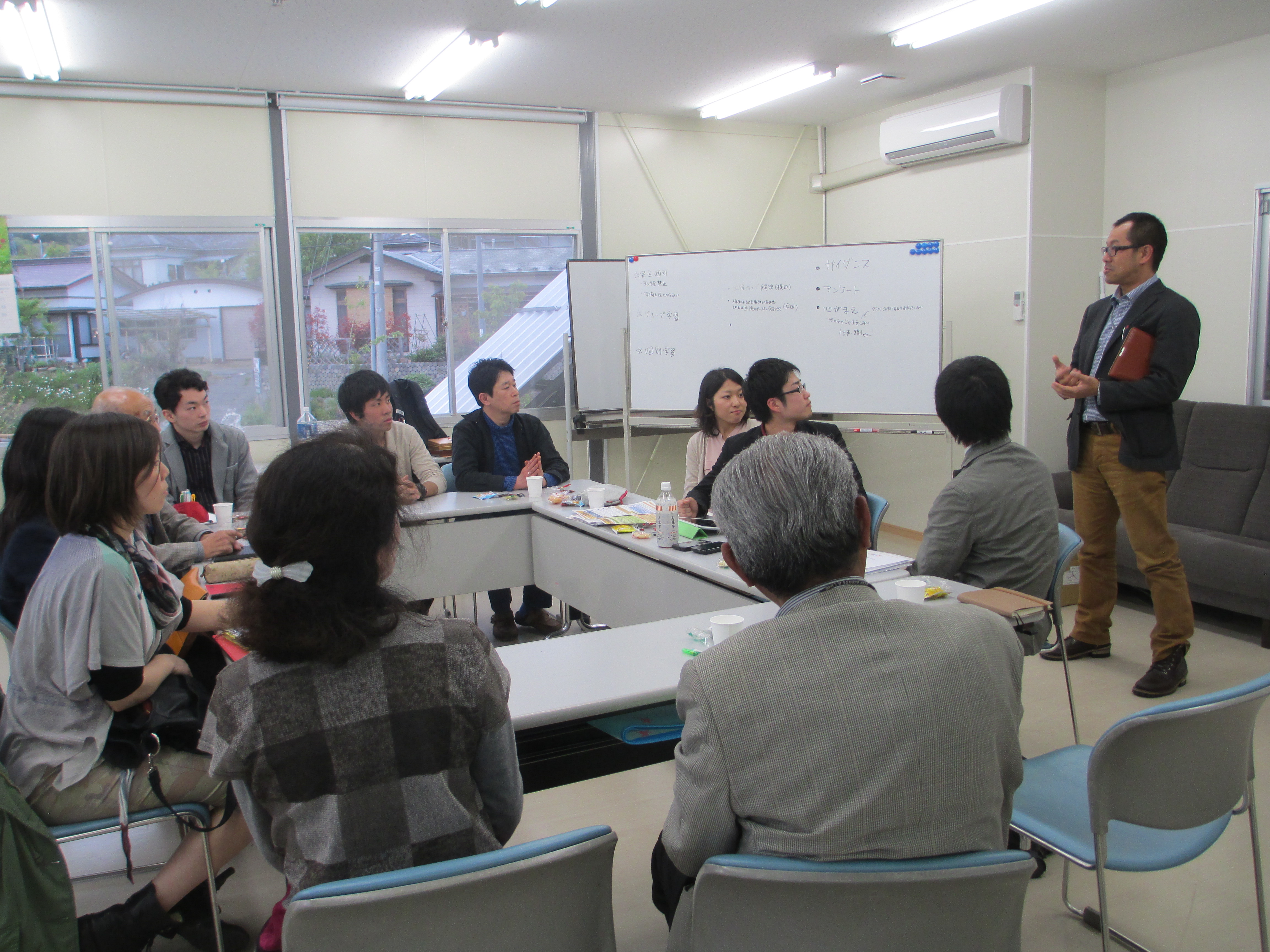
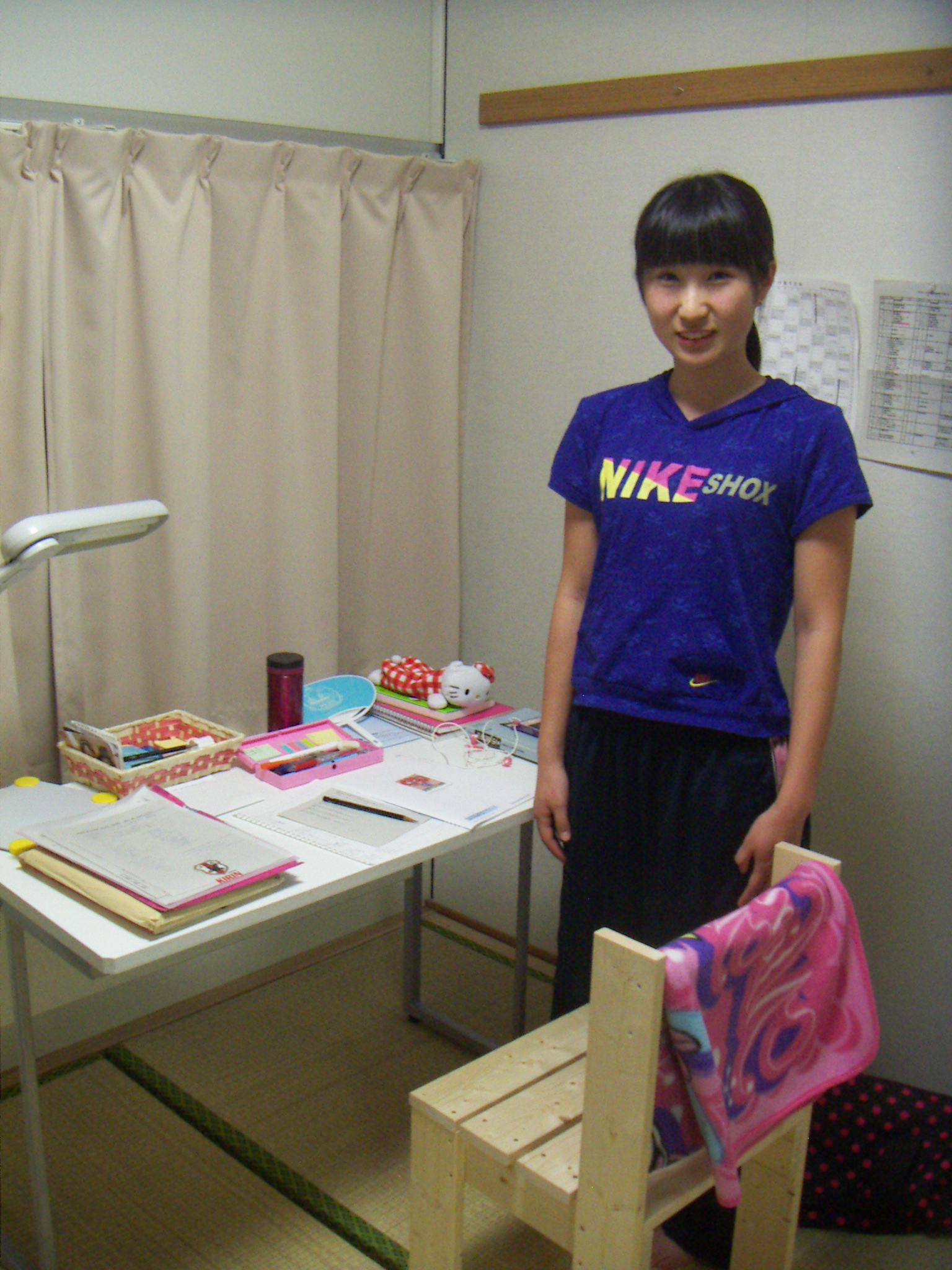
Photo #2: A student named Masako who was a student in the Otsuchi program, which is held in a temporary housing unit. She is showing off her desk where she had been studying English. She just enrolled in Nagoya College of Foreign Languages, an extraordinary triumph for a student from a small town like this. She seems to be taking some time to volunteer now with a development NGO in the Philippines in order to give back and also to brush up her English.
JET alum Jim Gannon continues his work on behalf of JCIE in support of Rikuzentakata and other areas
Earthquake Tsunami, Fundraising, Japan Local, Local Government, Notable JET Alums, Return on JET-vestment Comments Off on JET alum Jim Gannon continues his work on behalf of JCIE in support of Rikuzentakata and other areas
***************
Via the Japan Center for International Exchange’s Facebook page. A nice post about the work that Jim Gannon (Ehime-ken, 1992-94), Executive Director of the Japan Center for International Exchange (JCIE/USA), has been doing in Tohoku on behalf of his organization. Jim is also a member of JETAA USA’s Board of Advisors and the JETAA USA Disaster Relief Fund Committee:
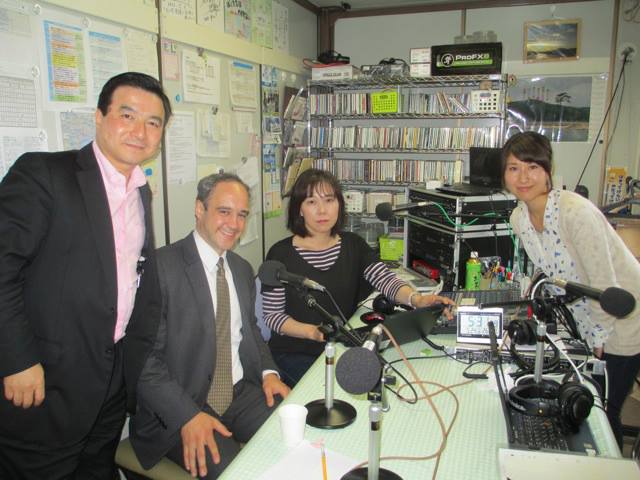
JCIE/USA’s Jim Gannon was in Tohoku last week, where he met with grantee AidTAKATA, an NGO that operates Radio FM Rikuzentakata to bring local news, music, and informational programs to people living in this hard-hit area. The station is the only source of local information for many residents in temporary housing, and it is working to strengthen community ties.
During his visit, the station featured a program with a lawyer who provides advice on the legal issues people in the disaster zone have to cope with (rebuilding regulations, insurance settlements, land titles, etc.). They also briefly interviewed Gannon during the program and took the opportunity to express their gratitude to all of the donors to the JCIE fund.
While on air, a small earthquake struck and the announcer immediately provided information on the epicenter and strength and to reassure listeners.
Kiyoshi Murakami (president, AidTAKATA), Jim Gannon (JCIE/USA), Hiromi Abe, and Sakie Musashi at the Radio FM Rikuzentakata station.
JET Alum Establishes “Tsunami Survivor Fund to Save Miyagi”
Earthquake Tsunami, Fundraising, Japan Local, Notable JET Alums, Return on JET-vestment, Volunteer Comments Off on JET Alum Establishes “Tsunami Survivor Fund to Save Miyagi”
A new effort started by Miyagi JET alum Canon Purdy:
Welcome to Save Miyagi, a non profit, unincorporated charity organization dedicated to helping Miyagi and Minamisanriku rebuild after the devastating earthquake and tsunami of March 11th, 2011.
Canon Purdy and her family founded this organization after Canon was stranded without contact in the town of Minamisanriku, where she had taught English for two years before.
SaveMiyagi successfully donated to the Minamisanriku Board of Education in August (check blog for details). Our next project is sending Paper Cranes to Northern Japan to support their recovery process.
Please check out the video below or the page above, and consider getting involved.
Japanese Chamber of Commerce and Industry, Nippon Club Start Hurricane Sandy Relief Fund
Fundraising, Japan Local, Press Release Comments Off on Japanese Chamber of Commerce and Industry, Nippon Club Start Hurricane Sandy Relief Fund
Visit www.jcciny.org for more information or to make a donation.
Info courtesy of Heather Tomoyasu (Ibaraki-ken, 2004-06), who currently works for the JCCI NY. Posted by JQ magazine editor Justin Tedaldi (Kobe-shi, 2001-02).
The tragedy and devastation that Hurricane Sandy brought to the New York Tri-State Area has affected us all deeply. The Japanese Chamber of Commerce and Industry of New York, Inc., in cooperation with The Nippon Club, has decided to establish the Hurricane Sandy Relief Fund to aid the victims of the disaster.
Hurricane Sandy forced the cancellation of JCCI’s 28th Annual Dinner, originally for October 30th, with 1,000 guests scheduled to be in attendance honoring the 100th Anniversary of Japan’s gift of cherry trees to America, JCCI’s 80th Anniversary, and awardees Professor Gerald L. Curtis and recording artist Cyndi Lauper. Through Dinner Sponsorship, JCCI was able to contribute a total of $500,000 to the hurricane relief effort: $250,000 to both the Mayor’s Fund to Advance New York City (supporting relief in the 5 boroughs) and AmeriCares (supporting relief in New Jersey and Long Island).
JCCI and The Nippon Club are now accepting additional donations through their Hurricane Sandy Relief Fund, for which the receiving organization will be decided at a later time. All donations will be 100% tax-deductible. Checks should be made payable to “J.C.C. Fund” (please note “Hurricane Sandy Relief Fund” on the memo line), and mailed by December 31, 2012 to the attention of Mr. Shigeo Kimura, The Nippon Club, 145 West 57th Street, New York, NY 10019.
Send inquiries to: Japanese Chamber of Commerce and Industry of New York, Inc. (JCCI) TEL (212) 246-8001 / E-Mail: info[at]jcciny.org / Web: www.jcciny.org.
JETAA: Rocky Mountain JETs Come Out For The Kids
Cultural Outreach, Events, Fundraising, JETAA Chapters, Sister City Comments Off on JETAA: Rocky Mountain JETs Come Out For The Kids
Via the Japan Local Government Center blog:
The Rocky Mountain JETAA chapter has been busy with two recent events helping out their various Colorado sister cities.

Fujiyoshida, in Yamanashi-ken, and Colorado Springs just celebrated their 50th anniversary in early August, so RMJETAA mobilized their Colorado Springs and Denver JET alumni to participate in the festivities in Colorado Springs and be available to assist with translating, interpreting, and other duties for the 70 visitors from Japan. One main place they helped out was the family event held at America the Beautiful Park on August 4th. Because many JET alumni from Colorado Springs were placed in Fujiyoshida as ALTs and CIRs, the celebration was a great chance for friends and acquaintances on both sides to get together again and reminisce about old times spent together in Japan. As part of the celebration, Mayor Horiuchi of Fujiyoshida and the students presented a check to Colorado Springs for $11,415, raised by the citizens of Fujiyoshida to help their sister city recover from the recent devastating wildfires there. Although Fujiyoshida now directly contracts with Colorado Springs for private CIRs it was wonderful that they could still draw on the resources of their former ties to the JET Program.
Click JLGC link for the full blog post in English.
クリックJLGC リンク 日本語 ブログ.
JET alum helps Japan ICU Foundation to hold Tohoku fundraiser event at Japanese Embassy in DC
Earthquake Tsunami, Events, Fundraising, Notable JET Alums, Return on JET-vestment Comments Off on JET alum helps Japan ICU Foundation to hold Tohoku fundraiser event at Japanese Embassy in DC
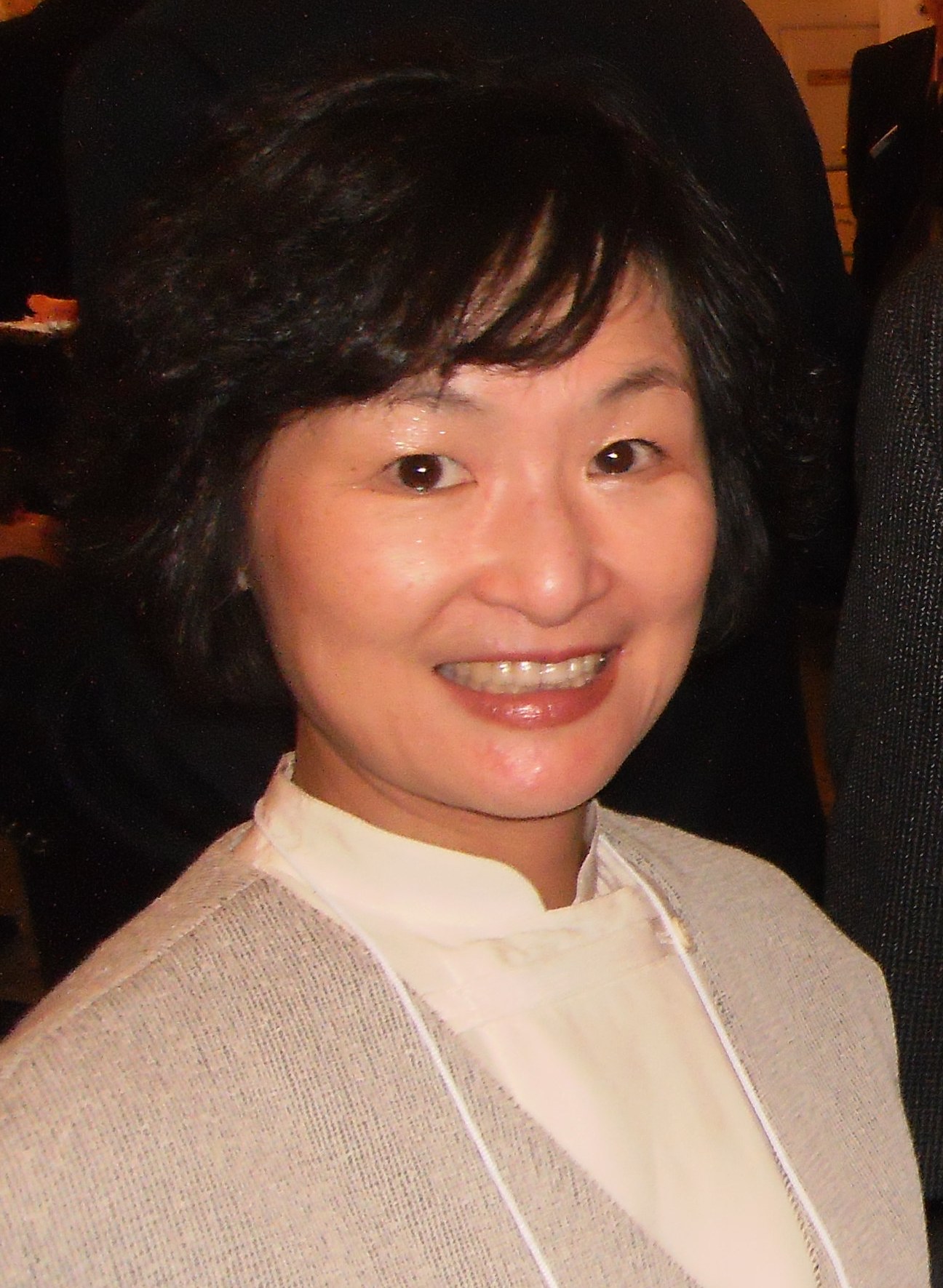
Junko Hibiya, President of ICU
************
JET Alum Mark Flanigan (Nagasaki-ken, 2000-04) volunteered for earthquake relief efforts in Ishinomaki following 3/11, as a way to give back to the country he has lived in twice now. As a Rotary Peace Fellow at the International Christian University (ICU) in Tokyo, Mark jumped at the opportunity to volunteer in Tohoku after the devastating earthquake struck Japan. He joined a group of international student volunteers, including graduate and undergraduate students of many nationalities, in helping to clean up a small fishing village in Oshika-hanto. Now a graduate of ICU, Mark continues his efforts for ongoing Tohoku relief as a Program Director with the Japan ICU Foundation in New York City.
On Friday, September 14, the Japan ICU Foundation (JICUF) will hold a special Fundraising Dinner and Silent Auction in Washington, DC. The event will begin at 6:00 pm at the Old Ambassador’s Residence, adjacent to the Embassy of Japan on Massachusetts Avenue. Special guests will include the new (and first-ever female) ICU President Junko Hibiya, Dean of International Affairs Shaun Malarney and Mr. Kakutaro Kitashiro, the Chair of ICU’s board of trustees.

Mark Flanigan (Nagasaki-ken, 2000-04)
This Fundraising Dinner and Silent Auction will continue JICUF’s ongoing support for a variety of recovery efforts in the wake of the tragic March 11th, 2011 earthquake and tsunami, with the proceeds from the evening to go towards supporting ICU’s continuing earthquake relief projects in Tohoku. It follows on JICUF’s March Sake Tasting Fundraiser at the Penn Club in New York City, which raised nearly $10,000 to support these efforts. Since the devastating March 11, 2011 earthquake, tsunami and subsequent nuclear accident, JICUF has worked with ICU in Tokyo on key aspects of the ongoing response.
If you would like to attend the fundraiser event on September 14, you can go here for more information: http://jicuf.org/newsevents/fundraising-dinner-in-washington-dc-on-friday-september-14/
Members of the JET Alumni community are welcome and encouraged to join! Special discounts are available for Students, Young Professionals and the Media.
To RSVP for this event, please contact the JICUF at information@jicuf.org.
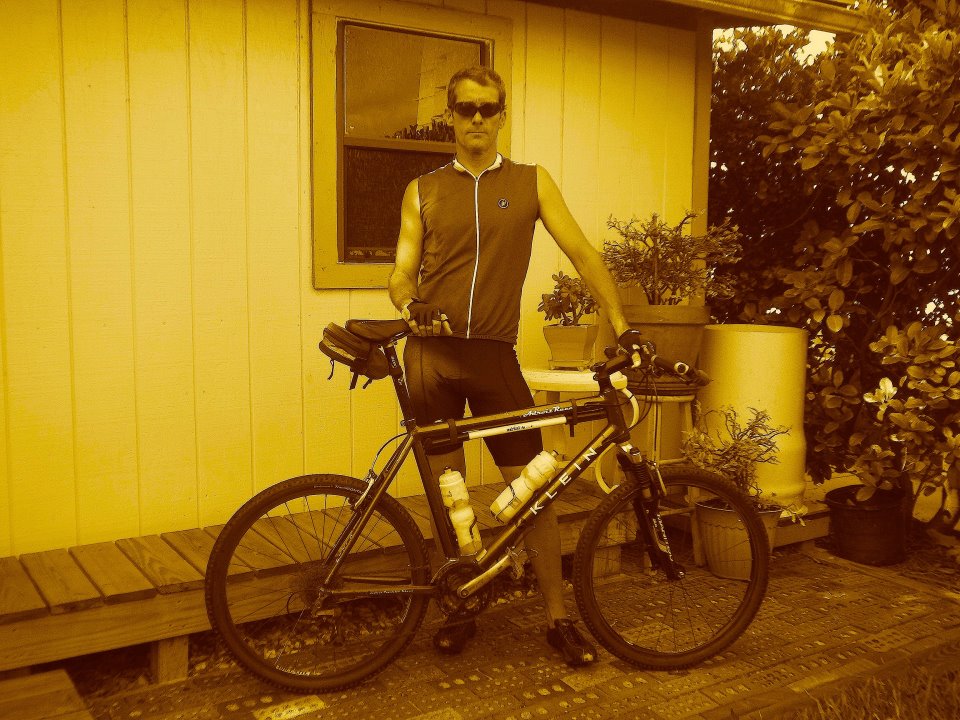
Roy Moneyhun (Mie-ken, 1996-98), founder of Tohoku Forward
***************
JET Alum Cycling for Tohoku
For more information, contact Roy Moneyhun at roy@tohokuforward.org. The web address is www.tohokuforward.org. The Facebook page is Tohoku Forward.
We all know what happened in northeast Japan on March 11, 2011. The devastation remained front page news for weeks following the Tohoku earthquake and tsunami. Now—more than a year later—news of Tohoku must be actively sought out by anyone wanting to know what is going on up there. Tohoku has been relegated to the back burner of the international news cycle.
As the drama in Tohoku unfolded during the spring months of 2011, the world’s media understandably focused on the devastation, the death toll, and the threat of nuclear radiation escaping the Fukushima Nuclear Power Plant. A less generally reported catastrophe during the early weeks and months following the disaster was the creation of a new wave of orphans in Tohoku. If this crisis was overlooked during the initial period of the tsunami, it has now become close to invisible. Agencies such as Smile Kids Japan and Living Dreams toil in near-obscurity to address the crisis with little attention and limited funds.
Enter Tohoku Forward, the one-man project of JET alumnus Roy Moneyhun (Mie-ken, 1996-98) of Jacksonville Beach, Florida, USA. With Tohoku Forward, Moneyhun hopes to reach thousands of potential donors around the world, most of whom can be found in the JET alumni community.
Many orphans of the Tohoku disaster are babies, meaning that they will need support for at least another fifteen to eighteen years. Read More
JETAANC(Northern California)’s Pacific Bridge Spring 2012
Cultural Outreach, Earthquake Tsunami, Fundraising, JETAA Chapter Beat Comments Off on JETAANC(Northern California)’s Pacific Bridge Spring 2012
 The new issue of the official JETAANC magazine, Pacific Bridge, is now available. Read it online here.
In this issue you will:
-Learn about local efforts to support the recovery of the Tohoku region.
-Hear about how new JETs are settling into the Tohoku area.
-Read about recent events in the JETAANC chapter.
And much more!
Fukushima group releases the latest “akabeko” tees to support local charities
Earthquake Tsunami, Fundraising, Japan Local, Volunteer Comments Off on Fukushima group releases the latest “akabeko” tees to support local charities
*********** Via Eyes 4 Fukushima
For T-Shirt orders (international and w/in Japan), please visit http://e4f.fujet.net/shoppingcart/
All procceds will go towards Fukushima charities which are actively promoting rebuilding efforts after the March 11th earthquake, tsunami and power plant disaster.
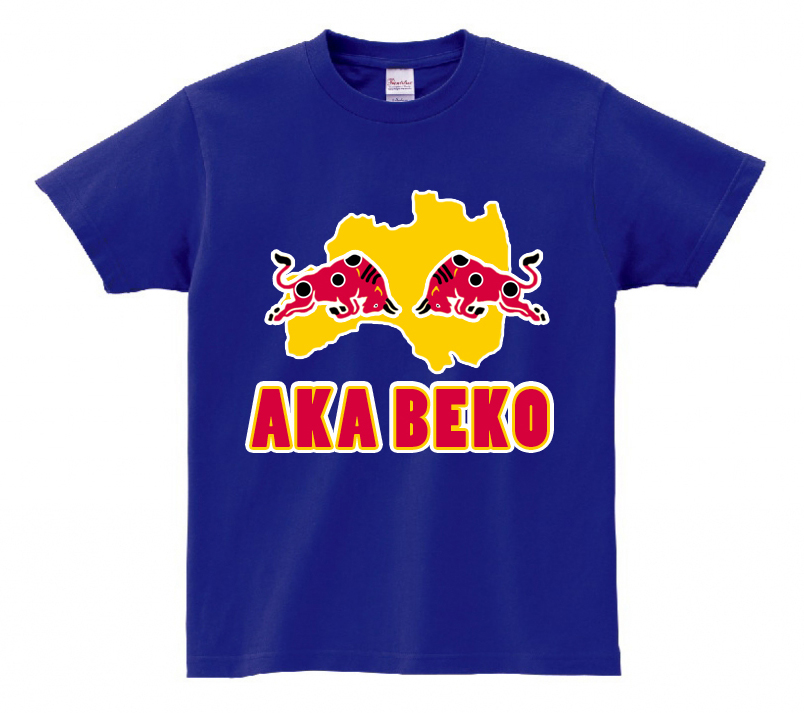
Fukushima JETs recently launched a local initiative – Eyes for Fukushima (E4F). Quick blurb from their website: It aims to promote grass roots internationalization in Fukushima Prefecture with devotion to improving the lives of people affected by the March 2011 Earthquake and Tsunami Disaster through events and fundraising. Eyes for Fukushima seeks to foster ties between Japanese citizens and JET participants at the person-to-person level.
