




Alumni Profile: Ryan Knight—from JET ALT to Army Bandmaster
 Interview/Profile, LifeAfterJET
  Comments Off on Alumni Profile: Ryan Knight—from JET ALT to Army Bandmaster
Posted by: Margie Banin (Kochi, 2005-2007), a former CIR with a love of the written word. Currently connecting others to Japan through translating, writing, and editing texts on Japan. Margie also serves as the JETwit Volunteer Coordinator and a JETwit jobs-list welcomer, as well as engaging in various other JETwit outreach activities.
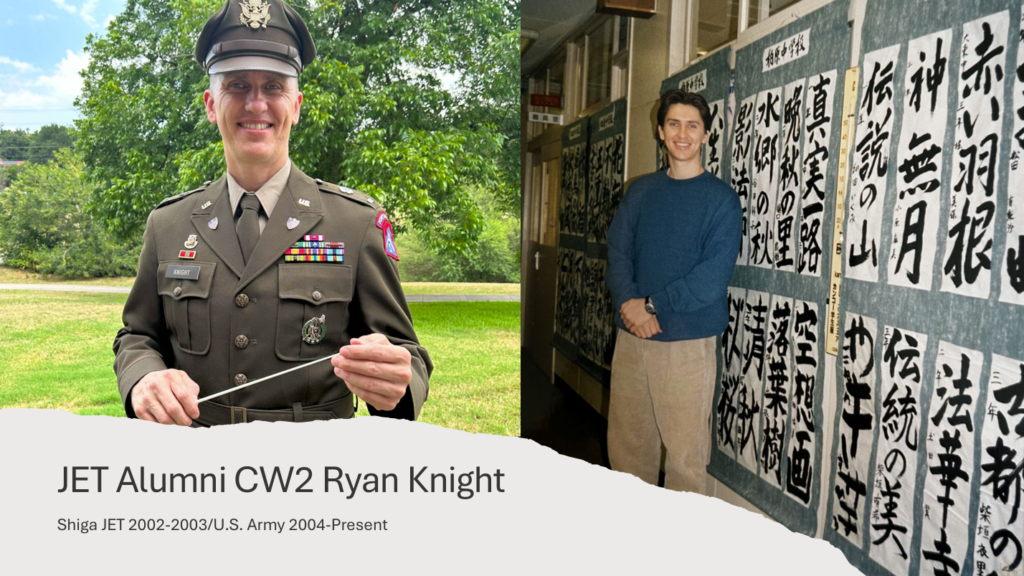
JET alum Ryan Knight (Shiga, 2002-2003) shares his JET story and how his experience living in Japan led him in an unexpected direction.
I had the time of my life as a JET teacher in Shiga Prefecture during the early 2000s. Fresh out of graduate school at Michigan State University with a major in Music Performance, I was ready for a break before pursuing a Doctor of Musical Arts (DMA) degree. At the time, a DMA was essential for securing a teaching position at the university level. The previous summer, I had studied in Shiga Prefecture as an international student—a transformative experience that solidified my desire to return to Japan and immerse myself in its culture.
The early 2000s were simpler times. Social media was non-existent, the internet was in its infancy, and innovations like YouTube, AI, and the iPhone were still years away. My only connection to the world beyond Japan was a small flip phone that could send text messages of about 20 characters. Communicating with family back in the United States required a prepaid phone card costing $30–$40 and a trip to the nearest payphone—quaint by today’s standards.
Even after 23 years, I vividly remember the send-off party organized by the consulate, arriving in Tokyo, staying at the hotel, meeting other JET teachers, and riding the shinkansen for the first time. It was an unforgettable adventure for a young twenty-something fresh out of college. The JET Program is often described as offering vastly different experiences to its participants, but for me, it was nothing short of wonderful. My caring supervisors made the job immensely enjoyable, and the cultural exchange with students and teachers created lifelong memories.
Though I only participated in the JET Program for a year, I stayed in Japan, working at a cram school/private English school. Teaching both children and adults was equally rewarding. However, all good things must come to an end. The need for financial stability loomed, and my out-of-state college loan payments—totaling around $43,000—had become a burden. A musician friend mentioned that the military offered loan repayment programs, with the Navy promising $10,000 and the U.S. Army offering $65,000 for a single tour of 3–4 years. The opportunity to serve as a musician seemed too good to pass up, though my lack of military experience made me hesitant. At the time, there was no YouTube to watch testimonials and the internet provided little guidance.
In 2004, I joined the Army—from Japan, no less. The rest is history. I am set to retire this year after 21 years of active-duty service, during which I proudly served my country across Japan and various stateside locations. Beginning as a saxophonist, I rose through the enlisted ranks to E8/First Sergeant before being selected as a Warrant Officer Bandmaster/Conductor. For the past seven years, I’ve had the privilege of commanding Army Bands in Japan, New York, and now Texas.
As I transition out of military service, I look forward to leveraging my skills, experience, and passion for Japan–U.S. relations in the next chapter of my professional life.
If anyone in the JET community past or present needs anything, please don’t hesitate to reach out!
JETAA-sphere Ep 15: Takaaki Hiratsuka on his new book about ALTs in the JET Program
Academic, Audio, Books, Interview/Profile, JETAA Podcast Beat Comments Off on JETAA-sphere Ep 15: Takaaki Hiratsuka on his new book about ALTs in the JET Program
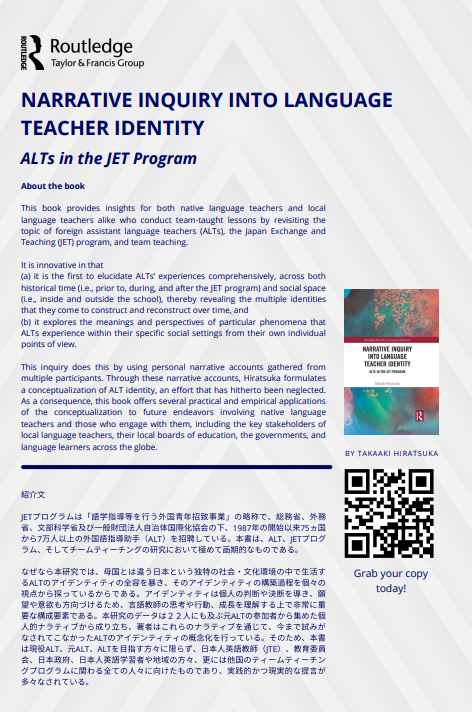
**In Episode 15 of the JETAA-sphere podcast, we interview Professor Takaaki Hiratsuka, author of the new book Narrative inquiry into language teacher identity: ALTs in the JET program.
Click this link http://bit.ly/VBL-Register to register for the May 28 book launch event!
**Co-hosts: Steven Horowitz (Aichi, 1992-94) & Mark Frey (Kumamoto, 2002-2006)
**About Prof. Takaaki Hiratsuka:
List of Prof. Hiratsuka’s writings and presentations
Bio: Takaaki Hiratsuka is an associate professor in the Department of Global Studies at Ryukoku University, in Kyoto where he teaches a range of applied linguistics courses and supervises master’s and PhD students in related fields of language teacher education and narrative inquiry. He has a PhD in Language Teaching and Learning from the University of Auckland, New Zealand. And an avid futsal player.
**Other JET Alumni or Friends of JET mentioned in this episode:
- Bruce Feiler (Tochigi-ken, 1988-89), author of numerous best-sellers including Learning to Bow
- David L. McConnell, author of Importing Diversity: Inside Japan’s JET Program
- Earth Bennett (Aomori-ken, 2000-03), author of the JET cartoon strip series Every Situation Is Different
- David Namisato (Aomori-ken-2002-04), author of the cartoon book Life After the B.O.E.
- Khalid Birdsong (Osaka-fu, Shimamoto-cho, 2003-05), author of the cartoon series Fried Chicken & Sushi
****************************
Special thanks to USJETAA and CLAIR for their support for the JETAA-sphere!
The JETAA-sphere Podcast: Ep 8 – Designer, educator and JETAANY stalwart Lee-Sean Huang (Oita-ken, 2003-06)
Art & Design Observer, Audio, Career, Interview/Profile, JETAA Podcast Beat, LifeAfterJET, Notable JET Alums, TED JETs Comments Off on The JETAA-sphere Podcast: Ep 8 – Designer, educator and JETAANY stalwart Lee-Sean Huang (Oita-ken, 2003-06)
*******************************
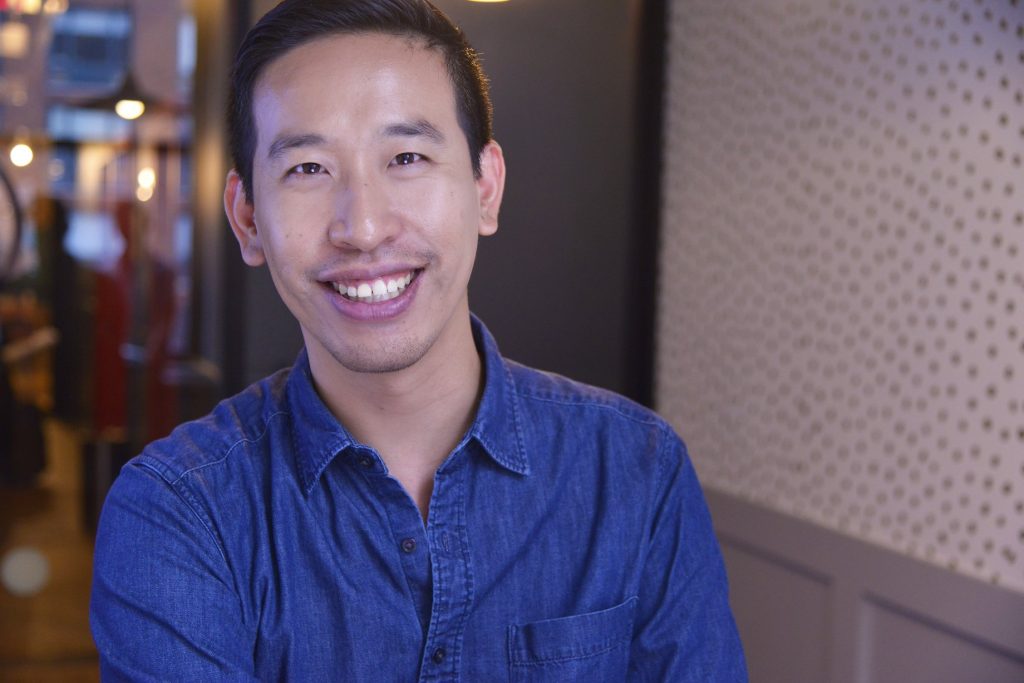
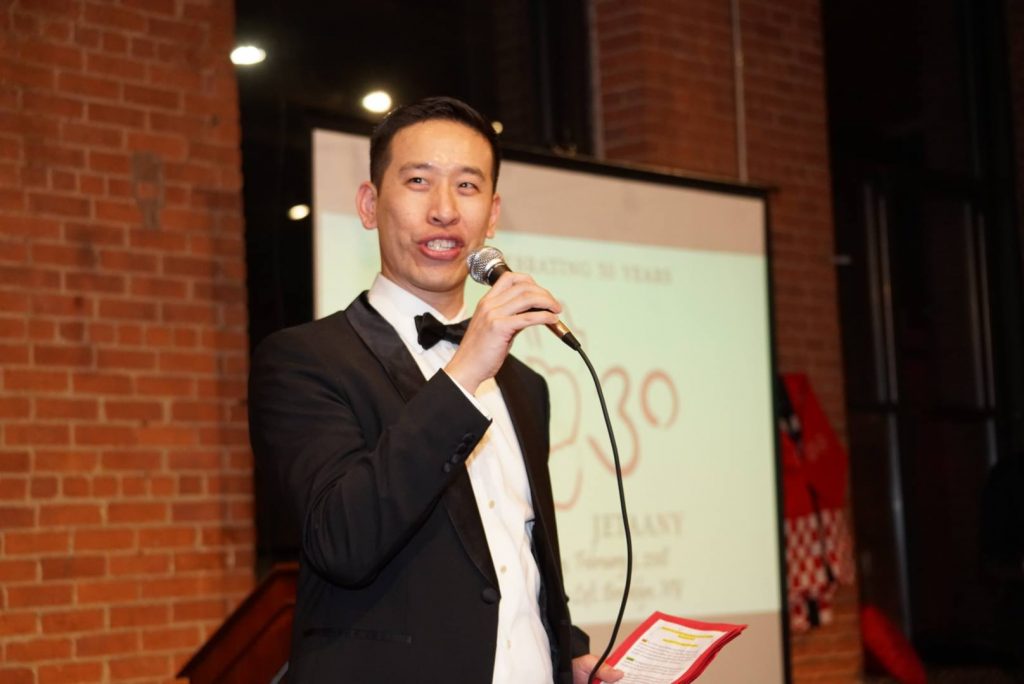
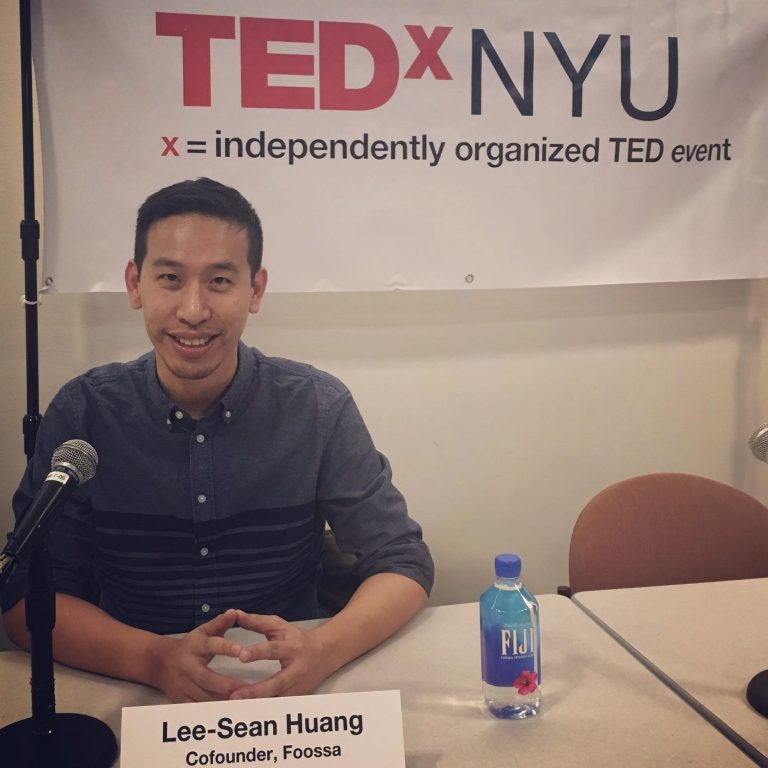
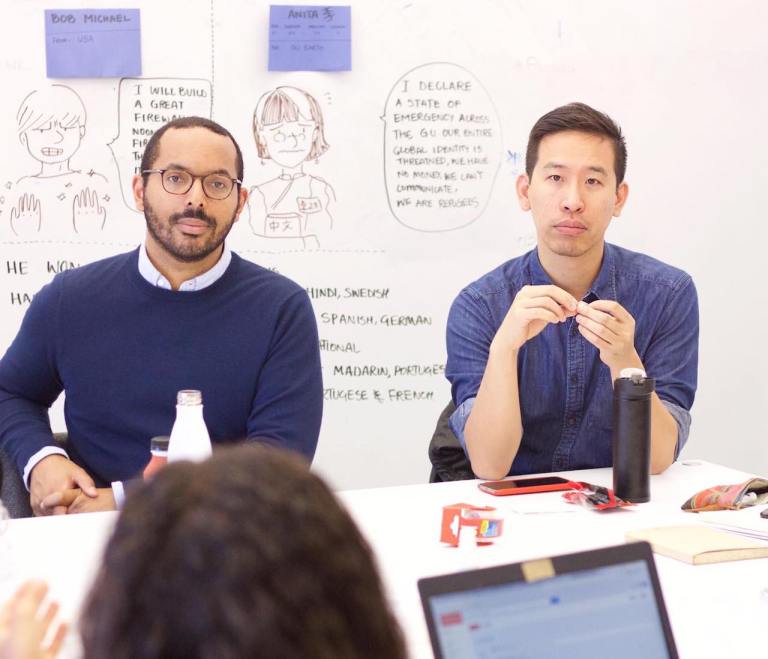
Designer, educator and longtime JETAANY contributing member Lee-Sean Huang (Oita-ken, Nakatsu-shi, 2003-06) joins Steven Horowitz(Aichi-ken, 1992-94) and Zach Piper (Kochi-ken, 2001-04) to talk about his path to JET and since JET as well as his longtime role as JETAANY Webmaster. Plus hear Leesean singing enka!
Show Links:
- AIGA: The Professional Association for Design
- AIGA book event: The Impossibility of Silence: Writing for Designers, Artists & Photographers(Q&A by Lee-Sean Huang)
- Leesean.net
- Foossa (Lee-Sean’s design and communications company)
- Jero (famous African American enka singer in Japan)
- Yoppareeikawa: English Nomikai Podcast by Emmalee Manes (Toyama-ken, 2016-19)
- Oda Yori-sensei, Professor of Japanese at Harvard University
- Nakatsu-shi, Oita-ken
- Fukuzawa Yukichi – most famous resident of Naktasu-shi
- Nakatsu, the mecca of fried chicken in Japan
- NYU: Interactive Telecommunications (ITP) Program
- The Kigali Genocide Memorial in Rwanda
- JETwit
- JETAA New York
- Monica Yuki’s JET Alum Zoom Rajio Taisou every Friday, 11:30am (EST)
Other JETs/JET alumni mentioned in this episode:
- Emmalee Manes (Toyama-ken, 2016-19)
- Ramez Kafrouni (Niigata-ken, 2016-18), Webmaster for JETAANY
Credits
- Intro/Ending narration by Rose Horowitz (COJ)*
- Art/Design by Lee-Sean Huang (Oita-ken, 2003-06)
- Podcast hosting on Transistor courtesy of Percival Constantine (Kagoshima-ken, 2008-13)
Comments? Questions? Suggestions?
- Email Steven Horowitz at stevenwaseda@gmail.com
*********
- The JETAA-sphere Podcast is a production of JETwit.com, with special thanks to USJETAA and CLAIR for their support.
- *COJ = Child of JET
The JETAA-sphere Podcast: Ep 7 – Monica Yuki, Jessyca Livingston & James Gannon discuss the JETAA USA Board of Advisors and 3.11
Audio, Interview/Profile, JETAA Chapters, JETAA Podcast Beat, LifeAfterJET, Notable JET Alums, Return on JET-vestment Comments Off on The JETAA-sphere Podcast: Ep 7 – Monica Yuki, Jessyca Livingston & James Gannon discuss the JETAA USA Board of Advisors and 3.11
******************
From JETwit Media, it’s the 6th episode of the JETAA-sphere Podcast!
Three members of the JETAA USA Board of Advisors—Monica Yuki (Saitama-ken, 2002-04), Jessyca Livingston, formerly Wilcox (Hokkaido, 2003-06) and James Gannon (Ehime-ken, 1992-94) join Steven Horowitz(Aichi-ken, 1992-94) and special co-host Matt Gillamof CLAIR NY (aka the Japan Local Government Center) to talk about the JETAA USA Board of Advisors–what it is, who’s on it, and how the tragedy of 3/11 became the catalyst for the creation of a Board of Advisors for JETAA USA.


Show Links:
- JETAA USA Board of Advisors
- JETAA USA
- Japan Center for International Exchange (JCIE)
- Toru Kikiwada, Diet Member from Rikuzentakata – “Japanese Politician Recounts Losing Family to Tsunami“
- & fundraising links
- Taylor Anderson Memorial Fund
- Monty Dickson Center, University of Alaska Anchorage
- “JET Program on Chopping Block” by James Gannon via JETwit.com
- JETwit
- JETAA New York
- Monica Yuki’s JET Alum Zoom Rajio Taisou every Friday, 11:30am (EST)
Other JETs/JET alumni mentioned in this episode:
- Paul Yoo (Akita-ken, 2009-2012), Founder of Volunteer Akita and currently living in Ventura, California (working at Patagonia HQ)
- Ryan Hart (Chiba-ken, 1998-99), former JETAA USA Country Rep, former PNW JETAA President
- Mark Frey (Kumamoto-ken, 2002-06), former JETAA USA Country Rep, former JETAA Northern California President & Newsletter Editor
- Cheryl Hou (Toyama-ken, 2005-08), former JETAA USA Country Rep, former PNW JETAA President
- Shree Junk (Shiga-ken, 2005-07), former JETAA USA Country Rep, former JETAA NY Vice-President
- Kelly Nixon, former JETAA NY Treasurer
- Shannan Spisak, former JETAA USA Country Rep, former JETAANY President
- Shannon Quinn, former JETAA USA Country Rep, former PNW JETAA President
- Grant Minagawa, JETAA Southern California Social Chair
- Lisa Gappa-Norris (MEF Gunma-ken, 1982-83)
Credits
- Intro/Ending narration by Rose Horowitz (COJ)*
- Art/Design by Lee-Sean Huang (Oita-ken, 2003-06)
- Podcast hosting on Transistor courtesy of Percival Constantine (Kagoshima-ken, 2008-13)
Comments? Questions? Suggestions?
- Email Steven Horowitz at jetwit@jetwit.com
*********
- The JETAA-sphere Podcast is a production of JETwit.com, with special thanks to USJETAA and CLAIR for their support.
- *COJ = Child of JET
The JETAA-sphere Podcast: Ep 6 – Ryan Hata (AJET, JETAANY, JETAA International, JETwit)
AJET, Career, Interview/Profile, JETAA Chapters, Jobs, LifeAfterJET, Notable JET Alums, Return on JET-vestment Comments Off on The JETAA-sphere Podcast: Ep 6 – Ryan Hata (AJET, JETAANY, JETAA International, JETwit)
******************
From JETwit Media, it’s the 6th episode of the JETAA-sphere Podcast!
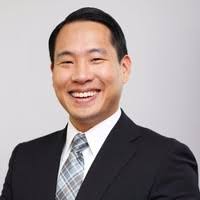
Ryan Hata (Tottori-ken, 2014-17) joins Steven Horowitz (Aichi-ken, 1992-94) to talk about the many hats he wears in the JETAA-sphere–from AJET to JETwit to JETAANY to JETAA International–and his passion for helping JETs find work opportunities and connect with each other and helping the JET alum community continue to grow stronger.



Show Links:
- Ryan Hata on LinkedIn
- AJET & JETAA-I Job Listings Facebook Group
- AJET website
- JETAA Hawaii
- JETAA British Columbia
- JETwit
- JETAA New York
- Monica Yuki’s JET Alum Zoom Rajio Taisou every Friday, 11:30am (EST)
Other JETs/JET alumni mentioned in this episode:
- Bruce Feiler, author of Learning to Bowand many other best-selling books
- Anna Ayvazyan, current AJET Director of Alumni Relations
- Monica Yuki
- Lee-Sean Huang (Oita-ken, 2003-06)
- Teri Galvez, JETAA Rocky Mountain President and creator of many JETAA chapter logos/mascots
- Richard Kei, JETAA Hawaii and former Monbusho English Fellow (MEF)
- Nathalie Ng, JETAA Singapore and also JETAA International Board of Advisors
- Joe Moore, JETAANY and JETAA Southern California Board of Directors
- JET alumni who have worked at Columbia Business School, Jerome A. Chazen Institute for Global Business:
About the JETAA-sphere Co-Hosts:
- Steven Horowitz (Aichi-ken, 1992-94) is the founder of JETwit.com, a member of the JETAA USA Board of Advisors, and a long-time active member of JETAA New York and now JETAA DC.
- Joe Moore (Saga-ken, 2010-13) is a member of the Board of Directors for both JETAA Southern California and JETAA New York and a former Co-President of JETAA Southern California.
- Zach Piper (Kochi-ken, 2001-04) is a member of the Board of Directors for JETAA New York and a long-time active member of JETAA New York.
- Note: All three of them have full-time jobs outside of this. This isn’t how they make a living or put food on the table.
Credits
- Intro/Ending narration by Rose Horowitz (COJ)*
- Art/Design by Lee-Sean Huang (Oita-ken, 2003-06)
- Podcast hosting on Transistor courtesy of Percival Constantine (Kagoshima-ken, 2008-13)
Comments? Questions? Suggestions?
- Email Steven Horowitz at stevenwaseda@gmail.com
*********
- The JETAA-sphere Podcast is a production of JETwit.com, with special thanks to USJETAA and CLAIR for their support.
- *COJ = Child of JET
The JETAA-sphere Podcast: Ep 5 – Adam Lisbon, JETAA Rocky Mountain
Academic, Audio, Career, Interview/Profile, JETAA Chapters, JETAA Podcast Beat, LifeAfterJET, Notable JET Alums, Return on JET-vestment Comments Off on The JETAA-sphere Podcast: Ep 5 – Adam Lisbon, JETAA Rocky Mountain
******************
From JETwit Media, it’s the 5th episode of the JETAA-sphere Podcast!
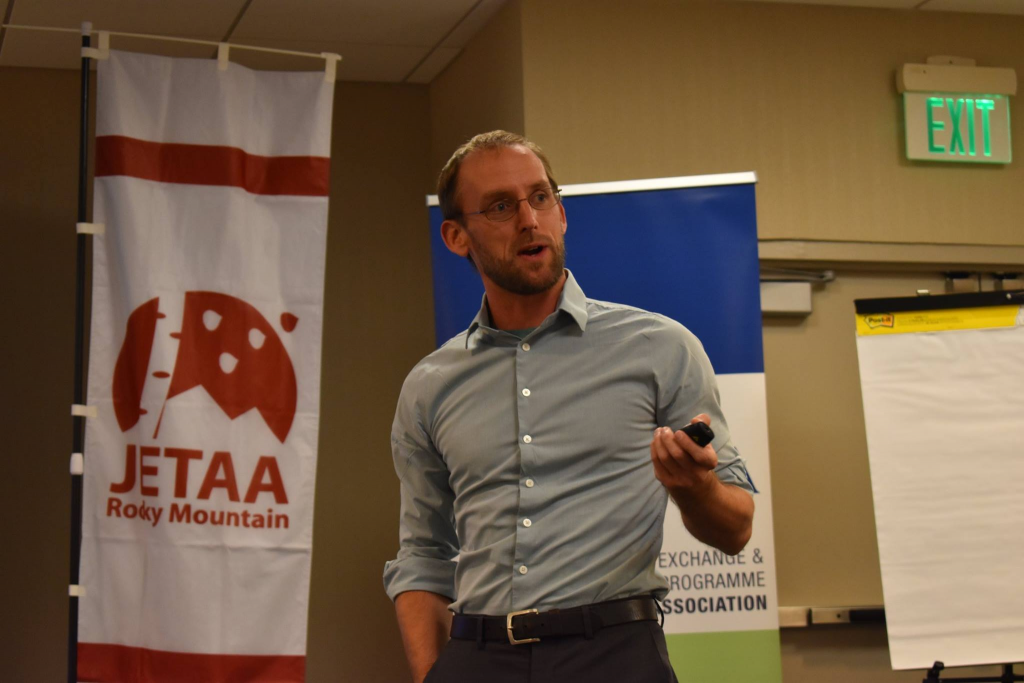
Former JETAA Rocky Mountain chapter president Adam Lisbon (Kobe-shi, 2004-07) joins Zach Piper (Kochi-ken, 2001-04) and Steven Horowitz(Aichi-ken, 1992-94) to talk about JETAA Rocky Mountain, his work as Japanese & Korean Studies Librarian at the University of Colorado Boulder, Colorado’s Japanese-American history, and JET days of yore.

Show Links:
- JETAA Rocky Mountain
- Japanese and Japanese-American Community History Project
- Video about the Project
- Digital Archive of the CU Japanese and Japanese American Community History Project
- Paige Cottingham-Streater, Executive Director, Japan-US Friendship Commission
- JETwit
- JETAA New York
- Monica Yuki’s JET Alum Zoom Rajio Taisou every Friday, 11:30am (EST)
About the JETAA-sphere Co-Hosts:
- Steven Horowitz is the founder of JETwit.com, a member of the JETAA USA Board of Advisors, and a long-time active member of JETAA New York and now JETAA DC.
- Joe Moore is a member of the Board of Directors for both JETAA Southern California and JETAA New York and a former Co-President of JETAA Southern California.
- Zach Piper is a member of the Board of Directors for JETAA New York and a long-time active member of JETAA New York.
- Note: All three of them have full-time jobs outside of this. This isn’t how they make a living or put food on the table.
Credits
- Intro/Ending narration by Rose Horowitz (COJ)*
- Art/Design by Lee-Sean Huang (Oita-ken, 2003-06)
- Podcast hosting on Transistor courtesy of Percival Constantine (Kagoshima-ken, 2008-13)
Comments? Questions? Suggestions?
- Email Steven Horowitz at jetwit@jetwit.com
*********
- The JETAA-sphere Podcast is a production of JETwit.com, with special thanks to USJETAA and CLAIR for their support.
- *COJ = Child of JET
The JETAA-sphere Podcast: Episode 1 – “What is JETAA?”
Audio, Interview/Profile, JETAA Chapters, JETAA Podcast Beat, Return on JET-vestment Comments Off on The JETAA-sphere Podcast: Episode 1 – “What is JETAA?”
From JETwit Media Productions, it’s the first ever episode of the JETAA-sphere Podcast! In Ep01, Zachary Piper (Kochi-ken, 2001-04), Steven Horowitz (Aichi-ken, 1992-94), and Joe Moore III (Saga-ken, 2010-13) have a frank (and not always entirely accurate) conversation about what the heck JETAA is, why it exists, what its components are, and how they work.
The JETAA-sphere Podcast is availabe on Apple, Spotify, Stitcher, Overcast, and anywhere else you might download podcasts from.
To listen to other podcasts by JETs and JET alumni, check out the JETAA Podcast Roundup by Scot Maupin (Hokkaido, 2005-09).
Krewe of Japan Podcast S02E14-15 – Mastering Japanese Pitch-Accent ft. Dogen (Parts 1 & 2)
Advice, Audio, Celebrity, Interview/Profile, JET Alum Artist Beat, JET Alum Author Beat, JETAA Podcast Beat, Language Study, LifeAfterJET, Notable JET Alums, Writers Comments Off on Krewe of Japan Podcast S02E14-15 – Mastering Japanese Pitch-Accent ft. Dogen (Parts 1 & 2)
Posted by: Doug Tassin (Fukushima-Ken ALT, 2007-2010 & Krewe of Japan Podcast Co-Host)

Last week on the Krewe of Japan Podcast…
The whole Krewe sits down with famous comedian and Youtuber (and former JET Program participant in Oita Prefecture), Dogen! In Part 1, Dogen shares his background including how he became interested in Japan and its culture, his background in martial arts tricking, early attempts at learning Japanese, his path to writing comedy in Japanese, and so much more.
This week…
Nigel, Jenn, & Doug conclude their awesome discussion with comedian and Youtuber, Dogen! In Part 2, the Krewe joins Dogen as they embark on a deep dive into learning Japanese. This discussion takes them to many places from discovering the meaning of pitch accent and how to study effectively, to setting appropriate goals and hilarious language learning stories. This is an episode you don’t want to miss!
The Krewe of Japan Podcast is a weekly episodic podcast sponsored by the Japan Society of New Orleans. Check them out every Friday afternoon around noon CST on Apple, Google, Spotify, Amazon, and Stitcher. Want to share your experiences with the Krewe? Or perhaps you have ideas for episodes, feedback, comments, or questions? Let the Krewe know by e-mail at kreweofjapanpodcast@gmail.com or on social media (Twitter: @kreweofjapan, Instagram: @kreweofjapanpodcast, Facebook: Krewe of Japan Podcast Page, & the Krewe of Japan Youtube Channel). Until next time, enjoy!
Krewe of Japan Podcast S02E03 – Manga: Literature & An Art Form ft. Danica Davidson & S02E04 – Japanese Theme Parks ft. TDR Explorer
Advice, Art, Art & Design Observer, Article/Journalism, Audio, Books, Cartoon/Illustration, Interview/Profile, JETAA Podcast Beat, Travel/Tourism, Writers Comments Off on Krewe of Japan Podcast S02E03 – Manga: Literature & An Art Form ft. Danica Davidson & S02E04 – Japanese Theme Parks ft. TDR Explorer
Posted by: Doug Tassin (Fukushima-Ken ALT, 2007-2010 & Krewe of Japan Podcast Co-Host)
DOUBLE TROUBLE (aka whoops I forgot to post last week…)
Last week on the Krewe of Japan Podcast…
The Krewe (shonen) jumps into the world of manga! Nigel, Jennifer, & Doug provide an intro to manga for those unfamiliar with it, notable characteristics, and why you should consider picking up a volume and read. Afterwards, they sit down with Danica Davidson, author of 17 books & frequent manga journalist for Otaku USA & other major publications, to discuss her career path, the manga industry, & things you may not have known regarding the manga scene!
This week…
Strap in for a wild ride as the Krewe talks Japanese theme parks! Nigel, Jennifer, & Doug all share their own experiences and favorite parks around the country. Then, Chris Nilghe of TDR Explorer joins us to talk all things theme parks! Tokyo Disney vs. Universal Studios Japan… who wins? Chris shares his top tips & tricks, along with some great insider knowledge for planning any theme park-based trip in Japan!
The Krewe of Japan Podcast is a weekly episodic podcast sponsored by the Japan Society of New Orleans. Check them out every Friday afternoon around noon CST on Apple, Google, Spotify, Amazon, and Stitcher. Want to share your experiences with the Krewe? Or perhaps you have ideas for episodes, feedback, comments, or questions? Let the Krewe know by e-mail at kreweofjapanpodcast@gmail.com or on social media (Twitter: @kreweofjapan, Instagram: @kreweofjapanpodcast, Facebook: Krewe of Japan Podcast Page, & the Krewe of Japan Youtube Channel). Until next time, enjoy!
Krewe of Japan Podcast E19 – Sake Sippin’ with Brian Ashcraft
Audio, Celebrity, Food & Drink, Interview/Profile Comments Off on Krewe of Japan Podcast E19 – Sake Sippin’ with Brian Ashcraft
Posted by: Doug Tassin (Fukushima-Ken ALT, 2007-2010 & Krewe of Japan Podcast Co-Host)
This week on the Krewe of Japan Podcast…
Did you know New Orleans is the home to the Gulf Coast’s only sake brewery? The Krewe didn’t until a few weeks ago! Nigel & Doug sit down reminisce about their first encounters with sake before sitting down for a sake deep dive with Brian Ashcraft, author of the award winning Japanese Sake Bible. Brian talks about what led to his interest in Japan and sake, shares some behind-the-scenes info into the creation of his comprehensive guide to Japanese rice wine, and provides insight on things that all sake enthusiasts need to know. Kanpai!
And check out last week’s episode in case you missed it! Episode 19 – Greatest Anime of All-Time pt. 3 – Modern Day Anime (2010 – present) – closes out the anime mini-series, spotlighting some of the biggest anime of today (we’re looking at you Demon Slayer, Attack on Titan, & My Hero Academia). The Krewe also digs into how sub-genres took the main stage and how streaming platforms completely changed the game.
The Krewe of Japan Podcast is a weekly episodic podcast sponsored by the Japan Society of New Orleans. Check them out every Friday afternoon around noon CST on Apple, Google, Spotify, Amazon, and Stitcher. Want to share your experiences with the Krewe? Or perhaps you have ideas for episodes, feedback, comments, or questions? Let the Krewe know by e-mail at kreweofjapanpodcast@gmail.com or on social media (Twitter: @kreweofjapan, Instagram: @kreweofjapanpodcast, Facebook: Krewe of Japan Podcast Page, & the Krewe of Japan Youtube Channel). Until next time, enjoy!
Law & Language Podcast: Interview with JET alum Scott Alprin,
Audio, Career, Interview/Profile, JETs in the News, Language Study, LifeAfterJET, Networking, Notable JET Alums, Return on JET-vestment Comments Off on Law & Language Podcast: Interview with JET alum Scott Alprin,

Episode 8 of the USLawEssentials Law & Language Podcast an interview with Scott Alprin (Aichi-ken, Kariya-shi, 1992-95) of Alprin Law Office, P.C. Scott is trademark and intellectual property attorney who speaks Japanese and works with many international clients. He discusses his career path and shares insights on law and practicing as an IP attorney.
JET alum Steven Horowitz (Aichi-ken, Kariya-shi, 1992-94), in collaboration with Daniel Edelson of USLawEssentials.com, recently launched “USLawEssentials: Law & Language,” a legal English podcast intended for foreign lawyers, law students, and LLM students as well as other non-native English speakers who want an enjoyable way to improve their legal English. The podcast episodes cover a variety of topics including legal news events and discussions of recent cases as well as interviews with multilingual lawyers. The discussions use accessible language with helpful explanations along the way.
Krewe of Japan Podcast E17 – Accepted for JET Program… Now What?! ft. Megan DeVille
Advice, Audio, Interview/Profile, JETAA Chapters, Life As a JET, LifeAfterJET, Notable JET Alums, Return on JET-vestment Comments Off on Krewe of Japan Podcast E17 – Accepted for JET Program… Now What?! ft. Megan DeVille
Posted by: Doug Tassin (Fukushima-Ken ALT, 2007-2010 & Krewe of Japan Podcast Co-Host)
This week on the Krewe of Japan Podcast…
JET Program acceptance letters have gone out & short-listers are on the edge of their seats waiting to find out their placements. Nigel, Jennifer, & Doug talk about the months-long emotional roller coaster of preparing to relocate to a new country (for JET or any program). Departing JETAA Mid-South President Megan DeVille stops by to talk about her pre-departure JET experiences, from interviews to arriving at a tiny regional airport in Aomori Prefecture. She also talks about life after JET and how to keep Japan in your life despite returning to your home country.
The Krewe of Japan Podcast is a weekly episodic podcast sponsored by the Japan Society of New Orleans. Check them out every Friday afternoon around noon CST on Apple, Google, Spotify, Amazon, and Stitcher. Want to share your experiences with the Krewe? Or perhaps you have ideas for episodes, feedback, comments, or questions? Let the Krewe know by e-mail at kreweofjapanpodcast@gmail.com or on social media (Twitter: @kreweofjapan, Instagram: @kreweofjapanpodcast, Facebook: Krewe of Japan Podcast Page, & the Krewe of Japan Youtube Channel). Until next time, enjoy!
Krewe of Japan Podcast E10 – Japanese Fluency Through Immersion ft. MattVsJapan
Audio, Interview/Profile, Language Study Comments Off on Krewe of Japan Podcast E10 – Japanese Fluency Through Immersion ft. MattVsJapan
Posted by: Doug Tassin (Fukushima-Ken ALT, 2007-2010 & Krewe of Japan Podcast Co-Host)
This week on the Krewe of Japan Podcast…
The whole krewe is on hand for a special Japanese language study episode! Nigel, Maddy, Jennifer & Doug are all in on a discussion on Japanese language study, goal-setting and fluency. They are joined by MattVsJapan, a popular language study YouTuber who developed his own language learning methodology called Refold. Together, Matt and the Krewe discuss the concept of “fluency”, experiences in language learning, and overcoming obstacles that can typically impede progress.
The Krewe of Japan Podcast is a weekly episodic podcast sponsored by the Japan Society of New Orleans. Check them out every Friday afternoon around noon CST on Apple, Google, Spotify, Amazon, and Stitcher. Want to share your experiences with the Krewe? Or perhaps you have ideas for episodes, feedback, comments, or questions? Let the Krewe know by e-mail at kreweofjapanpodcast@gmail.com or on social media (Twitter: @kreweofjapan, Instagram: @kreweofjapanpodcast, & the Krewe of Japan Youtube Channel). Until next time, enjoy!
Krewe of Japan Podcast E08 – Talking Sumo ft. Andrew Freund
Audio, Cultural Outreach, Interview/Profile Comments Off on Krewe of Japan Podcast E08 – Talking Sumo ft. Andrew Freund
Posted by: Doug Tassin (Fukushima-Ken ALT, 2007-2010 & Krewe of Japan Podcast Co-Host)
This week on the Krewe of Japan Podcast…
Just in time for the final weekend of the Spring Tournament/Haru Basho in Osaka, Doug & Nigel talk all things Sumo with Andrew Freund, director of USA Sumo and 2012 Martial Arts History Museum Hall of Fame inductee. Andrew shares his story of how he went from corporate English teacher in Japan to coordinating & facilitating high profile sumo events including the annual US Sumo Open & sumo appearances on ESPN SportsCenter & John Wick 2. He also shares in-depth insight into the sport that he’s learned and gained great appreciation for through his countless (if not daily) interactions with professional sumo legends.
The Krewe of Japan Podcast is a weekly episodic podcast sponsored by the Japan Society of New Orleans. Check them out every Friday afternoon around noon CST on Apple, Google, Spotify, Amazon, and Stitcher. Want to share your experiences with the Krewe? Or perhaps you have ideas for episodes, feedback, comments, or questions? Let the Krewe know by e-mail at kreweofjapanpodcast@gmail.com or on social media (Twitter: @kreweofjapan, Instagram: @kreweofjapanpodcast, & the Krewe of Japan Youtube Channel). Until next time, enjoy!
WIT Life #344: BLM in Japan
Interview/Profile, Translating/Interpreting, Uncategorized, WIT Life Comments Off on WIT Life #344: BLM in Japan
Interpreter/Translator/Writer Stacy Smith (Kumamoto-ken CIR, 2000-03) presents WIT Life, a periodic series about aspects of Japanese culture such as film, food and language. Stacy starts her day by watching Fujisankei’s newscast in Japanese, and here she offers some interesting tidbits and trends along with her own observations.
As we entered July the wave of protests for Black Lives Matters seemed to have subsided a bit, but the fighting spirit is strong. It has even made its way to Japan, as this NYT article highlights. However, as it indicates, recognition of racism in Japan is still woefully inadequate and its existence is often denied.
Although Japan had some protests post-Fukushima, there is clearly still resistance to these types of movements as they have never been part of Japanese culture. It remains to be seen as to whether this changes in the future, along with the country’s increased diversification.
And in local news, I was featured in a July 4th interview so please check it out here!
