




2024 Japan Writers Conference to feature at least four JET alums
 Japan Writers Conference, Writers
  Comments Off on 2024 Japan Writers Conference to feature at least four JET alums
Posted by Tom Baker
The lineup of presenters for the 18th annual Japan Writers Conference has just been announced. Over the first weekend in November, there will be 29 sessions on writing poetry, fiction, and nonfiction, plus writing career and marketing advice.
At least four sessions will be led by former JETs. Poet Warren Decker will lead a workshop on haiku and other short verse. Novelist Charles Kowalski will present “The Time Traveler’s Guidebook: Tips and Traps in Historical Fiction Writing.” Novelist Suzanne Kamata will give a talk on “Writing for Emerging Readers.” And a motivational session titled “Not an Impossible Dream” will be presented by travel writer Patrick Murphrey.
As always, the Japan Writers Conference is a free event. This year’s venue is in Futaba, Fukushima Prefecture, meaning that JWC attendees will have a chance to learn about the ongoing recovery of this disaster-affected area.
For more details, visit the official JWC website, or read about the conference in this story from AJET Connect magazine last year.
JET Alum Writers: Joe Palermo publishes a new book
Books, JET Alum Author Beat, JETs in the News, Writers Comments Off on JET Alum Writers: Joe Palermo publishes a new book
JET alum Joe Palermo (actually a trailblazing MEF) has released a new book of 38 stories, segmented into Childhood, Adulthood, and A Slice of Japan. The work is entitled “Who Killed My Sea Monkeys? And Other Tales of Life.”
The book is described as follows:
The world, through Joe Palermo’s eyes, is always an exciting place. His conversational writing style makes you feel as if he is regaling you with his adventures over a beer or cup of coffee. Whether writing about Smokey the Bear as his childhood therapist, the demise of his Sea Monkeys, living in Japan, or more recent events like losing his wife to a Korean boy band, you’ll feel as if you’ve experienced it yourself.
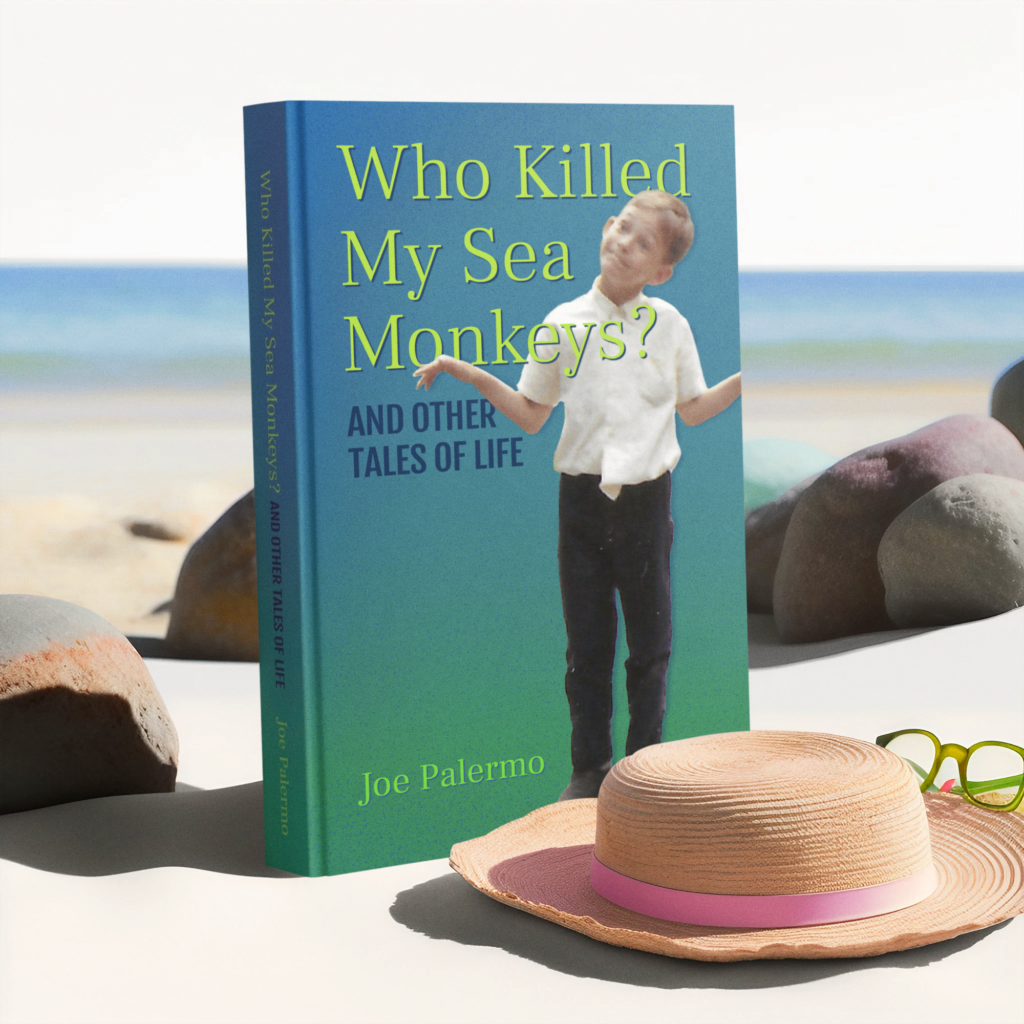
The back cover endorsement is by New York Times bestselling author Bob Greene, author of Late Edition: A Love Story.
From Bob:
Joe Palermo is a fellow with a delightful ability to bring warmth and good feelings straight from his childhood recollections, and from his current-day observations, onto the printed page. He’ll make you smile and remember.
Who Killed My Sea Monkeys? And Other Tales of Life is currently available in Kindle, paperback and hardcover formats on Amazon.
WIT Life #379: Black Box Diaries
Film, Translating/Interpreting, Uncategorized, WIT Life, Writers Comments Off on WIT Life #379: Black Box Diaries
Interpreter/Translator/Writer Stacy Smith (Kumamoto-ken CIR, 2000-03) presents WIT Life, a periodic series about aspects of Japanese culture such as art, film, food and language. Stacy starts her day by watching Fujisankei’s newscast in Japanese, and here she offers some interesting tidbits and trends along with her own observations.
Last night I went to the screening of the documentary Black Box Diaries, which premiered earlier this year at the Sundance Film Festival. This film directed by Shiori Ito depicts her own five-year journey from being raped by an older colleague in 2015 to the court case she brought against her perpetrator. You might recall hearing about her crusade, as she had been featured as one of Time’s Most Influential People of 2020 and wrote a memoir about the incident called Black Box. This film does a deep dive from Ito’s point of view as a journalist investigating her own case. She states that maintaining this relative objectivity is the only way she was able to tell her story, as directly facing herself and what happened would be too difficult.
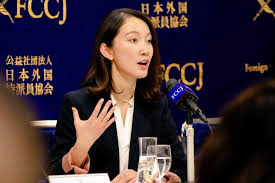
Her honest portrayal is as harrowing as you might imagine, and this film is a tough watch. Ito provides a personal trigger warning at the beginning, one of many written messages superimposed throughout the film in her own handwriting. Along with interspersed confessional videos, these messages serve to connect us to the narrator and illuminate her mental state. Ito delves into the personal and professional ramifications of her assault, boldly holding nothing back. She uses her story to advocate for legal reform, as at the time the legal age of consent was 13 (it’s now 15) and male victims weren’t recognized (and now systematic sexual abuse within the Johnny’s talent agency has been exposed). It’s amazing to realize that Ito took on Japan’s rape culture and patriarchal society six months before Me Too became a concept. The moment in the film when she hears about the Weinstein case is one of pure joy, as she realizes that her bravery was not for naught and that she is part of an international movement.
Read MoreCall for Proposals: Japan Writers Conference 2024
Events, Japan Writers Conference, Writers Comments Off on Call for Proposals: Japan Writers Conference 2024
Posted by Tom Baker
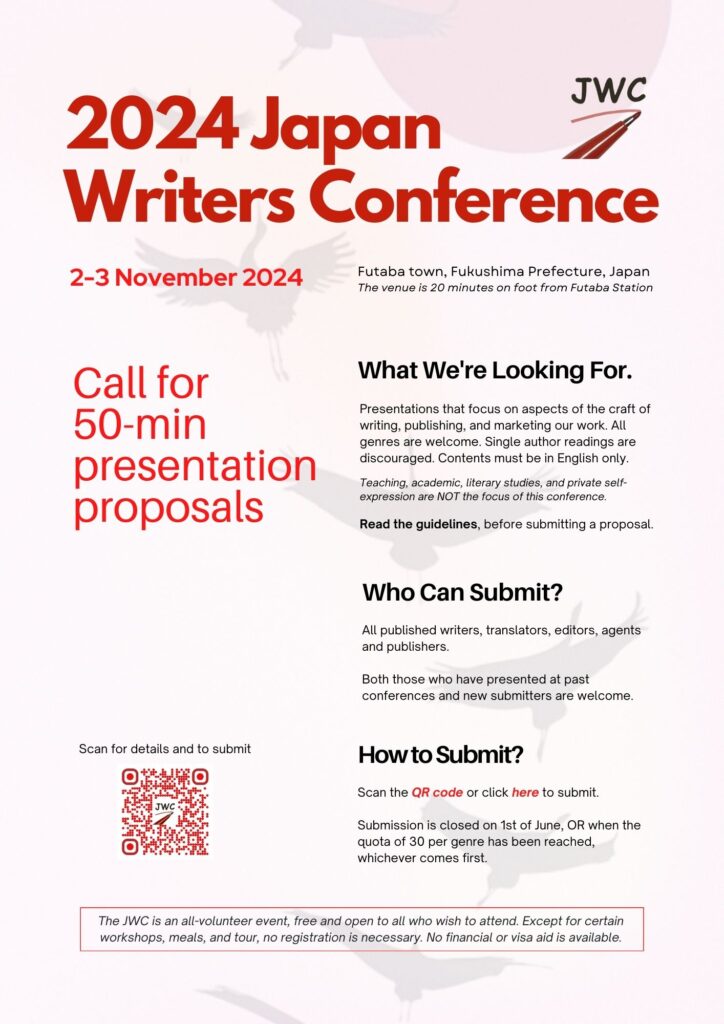
The Japan Writers Conference is now looking for writers to give presentations at its 2024 event, to be held on the weekend of Nov. 2-3 in Futaba, Fukushima Prefecture.
The official announcement appears below, and you can find more details at the JWC website.
All published writers, translators, editors, agents and publishers are welcome to submit proposals. Both new presenters and those who have presented at past conferences are welcome to submit. JETs who have given JWC presentations in the past include Suzanne Kamata, Charles Kowalski, Michael Frazier, Patrick Murphrey, Suzan Laura Sullivan, myself and many more.
When planning your JWC proposal, keep your audience in mind. Your listeners will be writers and others (translators, editors, publishers, and agents) concerned with creating publishable writing.
As in previous conferences, this year there will be three presentation rooms for poetry, fiction/nonfiction, and other topics (publishing, marketing, editing, translating, technical, sharing your writing communities, residences, workshops, or anything that applies to all genres).
WIT Life #378: Happy Valentine’s Day!
Translating/Interpreting, Uncategorized, WIT Life, Writers Comments Off on WIT Life #378: Happy Valentine’s Day!
Interpreter/Translator/Writer Stacy Smith (Kumamoto-ken CIR, 2000-03) presents WIT Life, a periodic series about aspects of Japanese culture such as art, film, food and language. Stacy starts her day by watching Fujisankei’s newscast in Japanese, and here she offers some interesting tidbits and trends along with her own observations.
Happy Lunar New Year! It’s been a while since I’ve checked in, and I hope your Year of the Dragon is going well so far. Somehow we’ve already made it to Valentine’s Day, and I hope you have a wonderful holiday with your loved ones whether they are family, friends or pets.
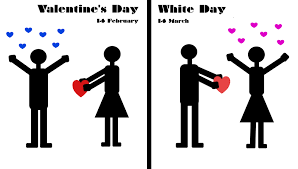
Some interesting V-Day trends were shared on the Japanese news recently. As you might know, in Japan this holiday involves women gifting chocolate to men (and men returning the favor with cookies or other sweets during next month’s White Day). According to this year’s statistics, women’s average Valentine chocolate budget is 5024 yen (a little more than $33 at today’s exchange rate). This is 1200 yen ($8) more than last year’s average, or around 1.3 times that figure.
Read MoreJET alum and travel writer Patrick Murphrey to speak at Japan Writers Conference in Nagoya
Japan Writers Conference, Writers Comments Off on JET alum and travel writer Patrick Murphrey to speak at Japan Writers Conference in Nagoya
Posted by Tom Baker
JET alum Patrick Murphrey will give a presentation on his experiences as a published writer — particularly with regard to travel writing — at this year’s Japan Writer’s Conference. The conference, which is free, will take place in Nagoya on Oct. 14-15.
Here’s the official description of his talk:
Patrick Murphrey
Pleasure Combined with Publishing: How I Became a Travel Writer and Ideas that Apply to All Publishing
Short Lecture with Q&A
While I traveled extensively since high school, I started travel writing five years ago. I started writing about Nagano, where I reside, and have since expanded the travel writing to include all of Japan and other countries. With this presentation, I reflect on my experiences in hopes of offering guidance to those who have an interest in travel writing. On top of that, many of my experiences can apply to publishing in general. Therefore, the tips apply not only to potential travel writers but anyone who hopes to publish any type of articles or books. It gives insight into the marketing of your works as I explain my successes and how my writing career has developed. This
presentation provides advice and inspiration. Thank you for attending.
Patrick Murphrey is a travel writer. He has published articles in magazines, newspapers, and on the internet like Tokyo Weekender, The Japan Times, Reader’s Digest. and Matcha Travel. He currently resides in Nagano and started writing five years ago after he realized the potential of the prefecture.
JET alum and novelist Charles Kowalski to discuss worldbuilding at Japan Writers Conference
Japan Writers Conference, JET Alum Author Beat, Writers Comments Off on JET alum and novelist Charles Kowalski to discuss worldbuilding at Japan Writers Conference
Posted by Tom Baker
JET alum and novelist Charles Kowalski will give a presentation on worldbuilding in fiction at this year’s Japan Writer’s Conference. The conference, which is free, will take place in Nagoya on Oct. 14-15.
Here’s the official description of his talk:
Charles Kowalski
The Worldbuilder’s Toolbox
Short Lecture with Q&A
Creating an entirely new world is such a daunting task that even gods have been known to wash away their mistakes and start over. Fortunately, we mortals now have tools at our disposal that make some aspects of the worldbuilder’s craft almost as easy as saying, “Let there be light!” This workshop will introduce basic techniques, handy reference books, and online tools to help with the “Four L’s” of worldbuilding: Lore (creating foundational myths and stories), Land (mapping your world), Life (designing cultures and creatures), and Language (giving your world a distinctive sound, whether you want a simple naming language or Tolkien-level complexity).
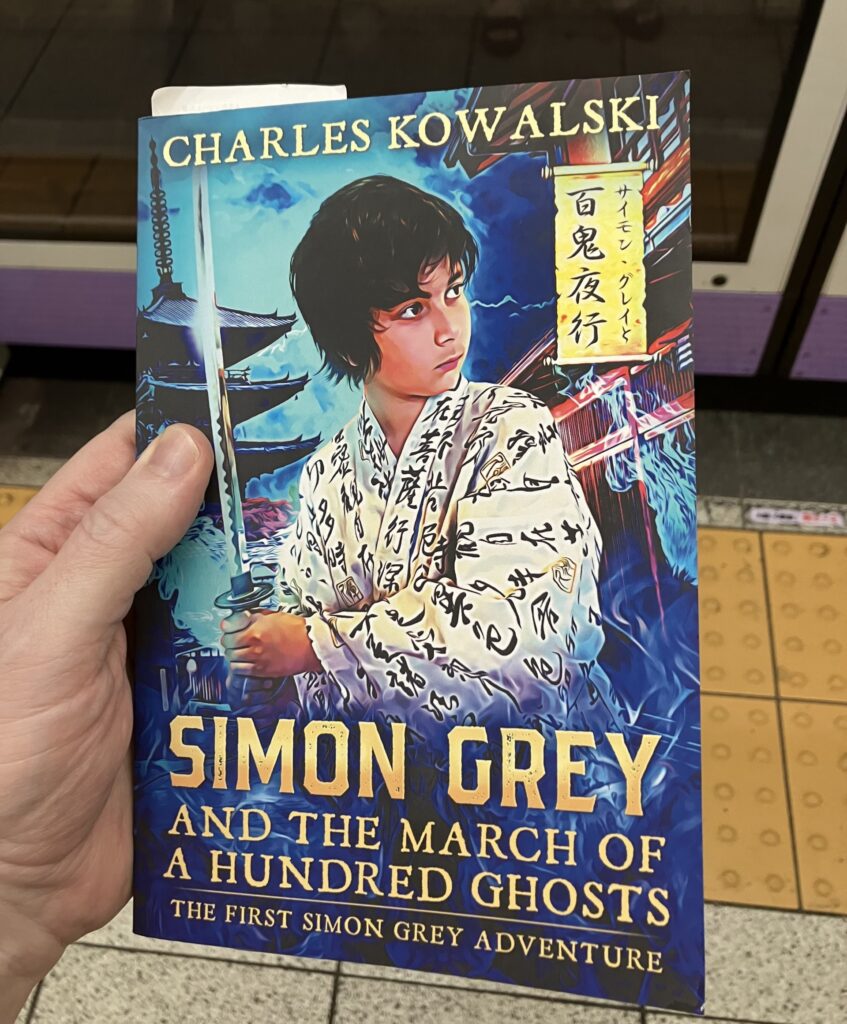
Charles Kowalski is the author of the award-winning thriller MIND VIRUS, the political/espionage thriller THE DEVIL’S SON, the historical fantasy SIMON GREY AND THE MARCH OF A HUNDRED GHOSTS, and several short stories. When not writing, he teaches at the Department of Cultural and Social Studies at Tokai University.
JET poet Warren Decker in lineup for Isobar Press 10th anniversary event
Japan Writers Conference, Writers Comments Off on JET poet Warren Decker in lineup for Isobar Press 10th anniversary event
Posted by Tom Baker
JET alum and poet Warren Decker will be in the lineup at an Oct. 14 event in Nagoya to celebrate the 10th anniversary of Isobar Press. He and other poets will read from and discuss their work as part of this year’s Japan Writers Conference. The conference, which is free, will take place in Nagoya on Oct. 14-15.
Here’s the official description of the Isobar event:
Isobar Press: Tenth Anniversary Reading
The first publication from Isobar Press, a small press specialising in English-language poetry and poetic translation from Japan, was a book by founder Paul Rossiter, From the Japanese; it was published on 14 October 2013. Ten years and forty-five books later, on 14 October 2023, eight poets and translators published by Isobar, each with their own strikingly different style, gather from Miyazaki, Kobe, Osaka, Shizuoka, Tsukuba and Tokyo to celebrate the tenth anniversary of the press. Paul Rossiter will speak briefly about the history of the press and the motivation behind it, and each author will briefly introduce and read from their work. We hope you will join us for this celebratory reading!
Paul Rossiter has published eleven books of poetry since 1995. After retiring from teaching at the University of Tokyo, he founded Isobar Press, which specialises in publishing English-language poetry from Japan, and English translations of modernist and contemporary Japanese poetry. More information can be found at: https://isobarpress.com
For biographies of the individual readers, please see their author pages on the Isobar Press website:
Janine Beichman: https://isobarpress.com/authors/janine-beichman/
Yoko Danno: https://isobarpress.com/authors/yoko-danno/
Warren Decker: https://isobarpress.com/authors/warren-decker/
Gregory Dunne: https://isobarpress.com/authors/gregory-dunne/
Jane Joritz Nakagawa: https://isobarpress.com/authors/jane-joritz-nakagawa/
Philip Rowland: https://isobarpress.com/authors/philip-rowland/
Eric Selland: https://isobarpress.com/authors/eric-selland/
Christopher Simons: https://isobarpress.com/authors/c-e-j-simons/
A must-read! Suzanne Kamata on blurbs at the Japan Writers Conference
Events, Japan Writers Conference, JET Alum Author Beat, Writers Comments Off on A must-read! Suzanne Kamata on blurbs at the Japan Writers Conference
Posted by Tom Baker
JET alum and prolific author Suzanne Kamata will discuss the art of blurbing — how to get good blurbs for one’s own books and how to write them for others’ — at this year’s Japan Writers Conference. The conference, which is free, will take place in Nagoya on Oct. 14-15.
Here’s the official description of her talk:
Suzanne Kamata
“This is the Best Book I’ve Ever Read”: Some Thoughts on Endorsements
Short Lecture with Q&A
Keywords: nonfiction, fiction, endorsements, blurbs, promotion, career
Endorsements — typically words of praise from an established author — are often deemed an essential marketing tool. However, well-known authors are often besieged with requests for such blurbs, and beginning authors may find approaching them to be intimidating. In this session, I will discuss the importance — or lack thereof — of blurbs, how to get them, how to use them, and how to write them, using examples from my own experiences and those of others.
Suzanne Kamata is the author of editor of many books including, most recently, the poetry collection Waiting (Kelsay Books, 2022), the IPPY-award-winning novel The Baseball Widow (Wyatt-Mackenzie Publishing, 2021), the middle grade novel, Pop Flies, Robo-pets and Other Disasters (One Elm Books, 2020), and the Hi-Lo novel romantic comedy Bake Sale (Gemma Open Door, 2022). She is an associate professor at Naruto University of Education.
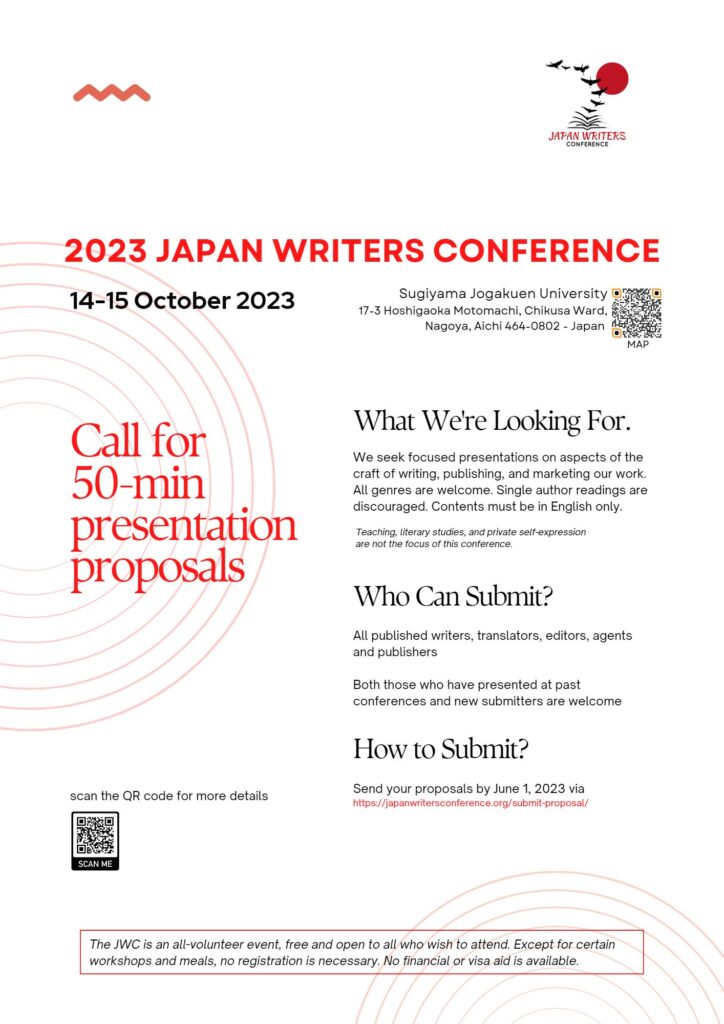
Give a presentation at the Japan Writers Conference
Events, Japan Writers Conference, Press Release, Writers Comments Off on Give a presentation at the Japan Writers Conference
Posted by Tom Baker (Chiba, 1989-91)
The Japan Writers Conference, a free annual event for English-language writers of all types, is looking for published writers to give presentations on the art and/or business of writing. Many JWC presenters in past years have been JETS. You can read about some of them in the JETwit archives.
If you have insights, wisdom or techniques to share, send them a proposal by June 1. Here’s the official announcement:
WIT Life #368: 今年の漢字
Translating/Interpreting, Uncategorized, WIT Life, Writers Comments Off on WIT Life #368: 今年の漢字
Interpreter/Translator/Writer Stacy Smith (Kumamoto-ken CIR, 2000-03) presents WIT Life, a periodic series about aspects of Japanese culture such as art, film, food and language. Stacy starts her day by watching Fujisankei’s newscast in Japanese, and here she offers some interesting tidbits and trends along with her own observations.
2022’s Kanji of the Year was announced earlier this month as 戦 (sen/ikusa), which means fight or battle. It is part of 戦争 (sensou or war) and both 戦う and 戦い (tatakau/tatakai, meaning to fight/a fight). 戦 won with 10804 or almost 5% of the votes, followed by the close second of 安 (an/yasu, meaning secure/cheap) which came in at 10616 votes. Lagging behind in third with 7999 votes was 楽 (raku, meaning easy or relaxed) or fun when it is used in 楽しい (tanoshii). Fun piece of trivia: this is the second time 戦 was chosen as Kanji of the Year, following its selection in 2001 after 9/11 shifted the world into fighting mode.
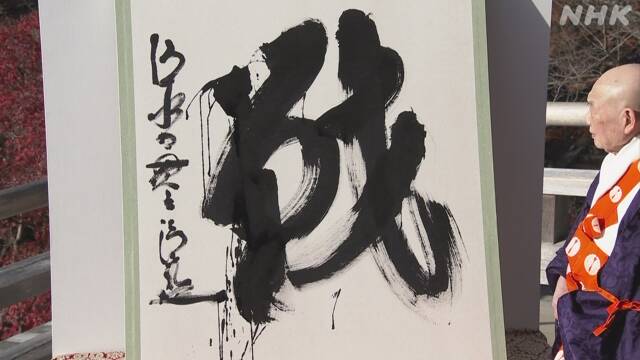
One of the reasons for 戦’s selection was this year’s invasion of Ukraine by Russia and North Korea’s repeated missile launches. Other fights were of the non-military kind, such as how Japanese struggled to maintain their livelihoods amongst the weakening yen, rising prices, energy shortages and ever-present Covid.
There was also a sports angle, as some voters picked 戦 to commemorate the outstanding efforts of Japanese athletes. Most striking was their World Cup soccer team who surprisingly defeated Germany, Spain and other tough opponents to make it to the Round of 16. In addition, Japanese sports stars had a strong showing at the Beijing Winter Olympics, and in the baseball world Shohei Ohtani continued to rock MLB and Aki Sasaki became the youngest perfect game-pitcher in Japanese professional baseball history.
Read MoreSuzanne Kamata to host panel discussion at Japan Writers Conference
Events, Japan Writers Conference, JET Alum Author Beat, Writers Comments Off on Suzanne Kamata to host panel discussion at Japan Writers Conference
Posted by Tom Baker
JET alum and prolific author and editor of fiction and nonfiction Suzanne Kamata will host a panel discussion on how the pandemic has changed the writing life and the publishing world at this year’s Japan Writers Conference. The conference, which is free, will take place in Hiratsuka, Kanagawa Prefecture, on Oct. 15-16, but participants must sign up by Oct. 8.
Here’s the official description of her panel’s presentation:
Suzanne Kamata
Clara Kiyoko Kumagai, Kristin Osani, Clarissa Goenawan, Sara Fujimura
Pivot: Writing for a Post-Pandemic World
Panel Discussion
Fiction
How do you keep going when the world, the publishing landscape, and YOU have had major paradigm shifts since 2020? Multi-published authors Sara Fujimura, Clarissa Goenawan, Suzanne Kamata, Clara Kiyoko Kumagai, and Kristin Osani discuss the limitations and growth opportunities that come with this new post-pandemic reality.
Are you waiting for the publishing world to “go back to normal?” The bad news: It’s not. Supply chain woes, soaring material costs, editorial burnout, and continued unrest in the world have made traditional publishing harder to break into and even harder to sustain a career. Savvy authors pivot. Five multi-published, award-winning, globally-minded authors give a state-of-the-industry report from their region of the world. They identify specific challenges they’ve had in the last two years, including launching new books during a pandemic (One out of 10 stars. Highly DON’T recommend!). They also offer tips and techniques on how to keep your writing career rolling when it seems the world is constantly conspiring against you.
American Suzanne Kamata has lived in Shikoku for over 30 years. During the pandemic, she published an award-winning middle grade novel, Pop Flies, Robo-pets and Other Disasters; The Baseball Widow, a novel for adults, and Waiting, her poetry debut. She is an associate professor at Naruto University of Education.
Clarissa Goenawan (she/her) is an Indonesian-born Singaporean writer and translator. Her award-winning short stories have appeared in literary magazines and anthologies in Singapore, Australia, Japan, Indonesia, Italy, the UK, and the US. Rainbirds, her debut novel, has been published in eleven different languages. Her second novel, The Perfect World of Miwako Sumida, came out in 2020. Watersong is her third novel.
Kristin Osani (she/her) is a queer fantasy writer who lives in Kyoto, where she works as a freelance Japanese-to-English video game translator when she’s not wordsmithing, working on nerdy cross-stitching, or cuddling her two cats (three if you include her husband). She has translated games like The Kids We Were, Voice of Cards, and Triangle Strategy. Her original fiction has appeared in FlashPoint SF, the Arcanist, and Ghost Orchid Press’s Beyond the Veil: Supernatural Tales of Queer Love anthology.
Clara Kumagai is from Ireland, Canada and Japan. Her fiction and nonfiction has appeared in publications such as The Stinging Fly, The Irish Times, Banshee, Room, Cicada, and The Kyoto Journal, among others. Her children’s story, A Girl Named Indigo, was translated and published in Japanese with the title Indigo wo sagashite (Shogakukan, 2020). Her young adult novel, Catfish Rolling, is forthcoming in 2023. She currently lives and works in Tokyo.
Sara Fujimura is a hybrid author of four award-winning young adult books: Tanabata Wish, Breathe, Every Reason We Shouldn’t (Tor Teen), and Faking Reality (Tor Teen). She is represented by Ann Rose of the Prospect Agency. Every Reason We Shouldn’t was named an NPR Best Book of 2020. www.sarafujimura.com
Poet Michael Frazier to address death and hope at Japan Writers Conference
Events, Japan Writers Conference, Writers Comments Off on Poet Michael Frazier to address death and hope at Japan Writers Conference
Posted by Tom Baker
JET alum and acclaimed poet Michael Frazier, whose work has appeared in the anthology Umoja, will hold a workshop at this year’s Japan Writers Conference.
Here’s the official description of his presentation:
Michael Frazier
O Death, Where is Your Sting?: A Poetics of Hope!
Craft Workshop
Poetry
Turn on the news and it is inevitable to see a news broadcast about someone dying. By a virus, a health condition, a natural disaster, or a twisted mind with a weapon. This generative workshop is a poetics on death and grappling with the fear death induces by unmasking the demon and realizing our hope.
This is a generative workshop for those interested in writing about and through the reality of being ephemeral beings in a world that is posed against our fragile lives. We will read poems anticipating, about, and responding to death. Some poets may include Danez Smith, Safia Elhillo, Li Young Lee, Max Ritvo, Mary Oliver, and others. We will read anti-eulogies, psalms, palindromes, and other poems that resist the inevitable. We will understand how they write around and through the concept of dying, with particular interest in how hope is the hinge of their poetry. We will write our own poems that face our fears.
Michael Frazier is a poet and high school teacher living in Kanazawa, Japan. Pushcart Prize and Best New Poets nominated, his poems appear in Poetry Daily, The Offing, RHINO, Tinderbox, Tokyo Poetry Journal, and elsewhere.
Jillian Marshall to speak on “Reimagining Memoir” at the Japan Writers Conference
Academic, Books, Events, Japan Writers Conference, JET Alum Author Beat, Writers Comments Off on Jillian Marshall to speak on “Reimagining Memoir” at the Japan Writers Conference
Posted by Tom Baker
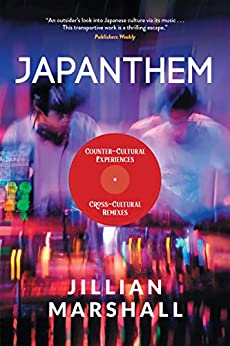
JET alum Jillian Marshall, author of “Japanthem,” will delve into the nature of memoir in a presentation at the Japan Writers Conference.
Here’s the official description of her presentation:
Jillian Marshall
Reimagining Memoir: Storytelling as Analytical Inquiry
Short Lecture with Q&A online
Nonfiction
What lies between the traditional boundaries of non-fiction genres? This presentation examines the analytical possibilities of memoir and storytelling. Bookended by presentation and discussion, we will read a chapter from my new book as a case-study in analytical memoir, learning about Japanese music culture in the process.
This hybrid presentation and group reading introduces new approaches to memoir devised during my time in (and departure from) academia. Following with a brief lecture questioning the limits of non-fiction genre — what does the slippage between memoir and ethnography reveal? — we’ll examine analytical memoir by reading a chapter of my new book, Japanthem: Counter-Cultural Experiences, Cross-Cultural Remixes. Originally written as part of my doctoral thesis in Japanese ethnomusicology, the selected chapter and Japanthem on whole posit memoir and storytelling as colloquial sites of anthropological inquiry (in this case, getting subtly bullied by my Buddhist dance teacher in Akita Prefecture). With the Q and A that follows, I ultimately hope to inspire new possibilities in non-fiction writing and bridge not just the intellectual rigor of academia with the public sphere, but cultural (mis)understandings between Japan, the US, and beyond in the process.
Jillian Marshall, PhD, is a writer, educator, and musician who champions public intellectualism. Her first book, Japanthem: Counter-Cultural Experiences, Cross-Cultural Remixes, debuted in April with Three Rooms Press. Jillian’s other writings have been published by the Sasakawa Peace Foundation, Cornell University Press, and Music Television.
Coffee Quills to introduce web fiction at Japan Writers Conference
Events, Japan Writers Conference, Writers Comments Off on Coffee Quills to introduce web fiction at Japan Writers Conference
Posted by Tom Baker
JET alum and author Coffee Quills will speak about newly emerging forms of publishing in a presentation at the Japan Writers Conference.
Here’s the official description of their presentation:
Coffee Quills
Spinning Web Fiction for Fun & Profit
Short Lecture with Q&A
Fiction, Other Genre
Game Writing
Quick discussion of what authors and writers want, going into the pros that web fiction can offer and the pitfalls that are hidden among the opportunities, and showing writers and authors that – in addition to traditional publishing and indie publishing – web fiction can be a 3rd option in their writing career.
Wander deeper into the realms of internet writing and find places where writers can explore the opportunities web fiction offers through serializations (in which a story can be uploaded chapter by chapter even as it is being written) such as Kindle Vella and Radish, or interactive writing with Choice of Games and Tales, in addition to the benefits that free places such as Wattpad, HoneyFeed, and Royal Road offer.
Coffee Quills, of Tokyo, is an embodiment of their slogan Many QuillsMany Genres. They are a game developer with 4thewords, stream daily writing sprints on Twitch, and have indie published three books: Blasted Research, Digital Lights, Spells, Snow, & Sky. They exist on coffee and seafood.
