




By JQ magazine editor Justin Tedaldi (CIR Kobe-shi, 2001-02). Justin has written about Japanese arts and entertainment for JETAA since 2005. For more of his articles, click here.
After the outdoor fireworks, enjoy some summer events in the cool indoors, whether it’s taking in North America’s largest annual Japanese film festival, checking out a Kurosawa or Studio Ghibli classic, or enjoying a musical, Pokémon-style!
This month’s highlights include:

July 10-20
Japan Society, 333 47th Street
Screenings with Receptions: $26 Nonmembers/ $18 Members / $23 seniors & students
Screenings with Q&As: $24 Nonmembers/ $17 Member / $22 seniors & students
All Other Screenings: $20 Nonmembers / $14 Members / $18 seniors & students
Short Films: $10 Nonmembers / Free for Members / $5 seniors & students
North America’s largest festival of contemporary Japanese film returns for its 18th year this summer at Japan Society! Join us July 10-20 for 30 curated films from across Japan featuring major award-winners, indie darlings, up-and-coming filmmakers, restorations, documentaries, experimental and short films and anime. JAPAN CUTS Powered by GU is a showcase of the latest in Japanese cinema, featuring both today’s most popular actors and directors as well as tomorrow’s pioneering talent. Become part of our passionate filmgoer community for premieres, parties and celebrity guests in the heart of America’s biggest city! Leading this year’s highlights: JAPAN CUTS Powered by GU will present legendary director Kiyoshi Kurosawa with the CUT ABOVE Award for Outstanding Achievement in Film, host the premieres of his new film Cloud and recent remake of Serpent’s Path, as well as showcase revivals of License to Live and a new 4K restoration of the original Serpent’s Path.

July 16-17
JUJUTSU KAISEN: Hidden Inventory / Premature Death
Various theaters
Various prices
Before they were enemies, Satoru Gojo and Suguru Geto were high school classmates and friends. The two powerful sorcerers are tasked with protecting Riko Amanai, a student who has been designated to be sacrificed as the Star Plasma Vessel, until she can fulfill her duty. Pursued by a religious cult and other curse users, they are the only sorcerers capable of carrying out such a difficult task – but this mission will set their destinies, and challenge the two sorcerers in ways unimaginable. The beloved and deeply emotional Hidden Inventory / Premature Death arc from the global phenomenon JUJUTSU KAISEN returns to the big screen, reaching all new heights for fans and newcomers alike.

Friday, July 18, 7:30 p.m.
City Winery, 233 West Street (Pier 26)
$25-$70
“This album is about the hope that we all carry inside of us,” shares internationally acclaimed pianist, composer and humanitarian, Keiko Matsui, who has worked with everyone from Miles Davis, Stevie Wonder, Bob James, and Hugh Masekela. “I have this dream where we can each cherish our own happiness and learn to accept and care for one another.” There is a reason why the stunning, soft-spoken, and petite powerhouse with such a commanding presence at the piano has amassed a devout following through the years. “When I tour around the world and witness how my music cuts through our differences and connects everyone, it makes me feel euphoric!” exclaims Keiko, who harnesses this joy on her 30th recording Euphoria. She enlists an all-star contingency of special guests including vocalist, and daughter of Donny Hathaway, Lalah Hathaway, trumpeter Randy Brecker, guitarist Mike Stern, saxophonist Kirk Whalum, vibist Joel Ross, harmonica player Grégoire Maret and pianist/arranger John Beasley. Keiko concludes, “During the past few years, I have witnessed the loss of life and seen people’s sadness and it has been really painful, but it has helped to remind me of the precious gift of time and the importance of gratitude for what I have now,” confides Keiko.” “Euphoria is my gift to my fans around the world.”
Read MoreJQ Magazine: Nippon in New York – ‘DAN DA DAN: EVIL EYE,’ LiSA, George Takei
 Article/Journalism, Celebrity, Events, Film, JQ Magazine, Music
  Comments Off on JQ Magazine: Nippon in New York – ‘DAN DA DAN: EVIL EYE,’ LiSA, George Takei
By JQ magazine editor Justin Tedaldi (CIR Kobe-shi, 2001-02). Justin has written about Japanese arts and entertainment for JETAA since 2005. For more of his articles, click here.
After an unusually warm spring, it’s finally starting to feel like summer. Enjoy some seasonal events this month that celebrate the best of both fine and pop art.
This month’s highlights include:

Monday, June 2, 7:00 p.m.
Hayao Miyazaki’s Future Boy Conan
Japan Society, 333 47th Street
$14-$18
4K digital restoration! Japan Society presents the first three episodes of Future Boy Conan on the big screen. Before becoming globally beloved for films including My Neighbor Totoro and Spirited Away, Hayao Miyazaki worked in television animation, and Future Boy Conan holds a significant place in anime history as his first project as a director. Created in 1978, this 26-episode series was never officially licensed in the United States until now and remained unavailable to U.S. audiences for over 40 years. Based on Alexander Key’s 1970 novel The Incredible Tide, it was reimagined by Miyazaki and can be viewed as a template for much of Miyazaki’s later work. Set in a world after a terrible war that destroyed civilization, created massive floods, and caused the Earth’s axis to shift, Conan lives an isolated life on an island until a mysterious girl named Lana washes ashore. She’s pursued by shadowy operatives who seek to use her in a scheme to control what’s left of the planet, and Conan soon embarks on a daring journey to save Lana and uncover the secrets of his broken world. Future Boy Conan’s environmental theme, family tone, strong female characters and sense of wonder would be revisited again and again throughout Miyazaki’s career, and we invite audiences to discover where it all began.

June 5-12
Various theaters
Various prices
In celebration of the return of DAN DA DAN, the theatrical premiere, releasing as DAN DA DAN: EVIL EYE, kicks off the thrillingly eerie EVIL EYE arc, which began in the last episode of the first season. The DAN DA DAN: EVIL EYE theatrical event screens last season?s start of the EVIL EYE arc, along with the first three episodes of the new second season, in addition to an exclusive interview with series co-directors Fuga Yamashiro and Abel Gongora. DAN DA DAN follows Momo, a high school girl from a family of spirit mediums, and her classmate Okarun, an occult geek. In this new arc, Momo and Okarun set out on their latest adventure, traveling to a hot springs town home rented by Jiji, Momo?s childhood friend and former crush, with the goal to solve the mystery surrounding his family. When they arrive, strange locals derail their investigation before it can properly begin, and the group soon learns there’s more lurking under the surface of the town than they could possibly have imagined.

June 5 & 7, 7:30 p.m.
Shun Ishiwaka: Jazz Transcending
Japan Society, 333 47th Street
Confidently straddling the jazz, pop and classical worlds and slipping into all the spaces in between, Shun Ishiwaka is rapidly becoming a worldwide percussion sensation. Recognized for his exceptional versatility, Ishiwaka has been summoned by many prominent international jazz musicians, such as Federico Casagrande, Tony Allen and Jason Moran, for their sessions in Japan. Now, it’s his turn to come ashore to the U.S. to place himself front and center in two distinctive events. Save 20% when you purchase a ticket to both Jazz Transcending programs. Offer only valid for tickets purchased in the same transaction.
SILENT FILM WITH LIVE PERFORMANCE
Thursday, June 5 at 7:30 pm
$24, $33
Dir. William Worthington, 1919, 61 min, silent with live accompaniment. With Sessue Hayakawa, Tsuru Aoki, Edward Peil, and Toyo.
Last heard performing the drum score within the 2023 megahit jazz anime film Blue Giant playing alongside jazz legends Hiromi and Tomoaki Baba, percussionist Shun Ishiwaka gives his onstage debut at Japan Society in a live film-screening “concert.” Playing an improvised, original score on drum set and vibraphone, Ishiwaka infuses bursts of jazz-inflected color and dreamlike grooves into the classic silent film The Dragon Painter.
Shun Ishiwaka with Adam O’Farrill: Improvisation Duo
JAZZ CONCERT
Saturday, June 7 at 7:30 pm
$36, $48
Trailblazer Shun Ishiwaka and “blazing young trumpet talent” (The New York Times) Adam O’Farrill join forces for an evening of transcendent, uninhibited music and improvisation. While both share the luminous status as recent collaborators of the jazz virtuoso Hiromi (Ishiwaka performed with her in the mega-hit jazz anime movie Blue Giant; O’Farrill is a member of her Sonicwonder project), this concert is the first time for these new talents to light a spark together.
Read MoreJQ Magazine: Nippon in New York – ‘Wolf Children’ in 4K, Koji Suzuki, ONE OK ROCK
Art, Article/Journalism, Celebrity, Events, Film, JQ Magazine, Music Comments Off on JQ Magazine: Nippon in New York – ‘Wolf Children’ in 4K, Koji Suzuki, ONE OK ROCK
By JQ magazine editor Justin Tedaldi (CIR Kobe-shi, 2001-02). Justin has written about Japanese arts and entertainment for JETAA since 2005. For more of his articles, click here.
As spring continues and the weather continues to warm, New Yorkers can enjoy activities all over the city both indoors and out.
This month’s highlights include:
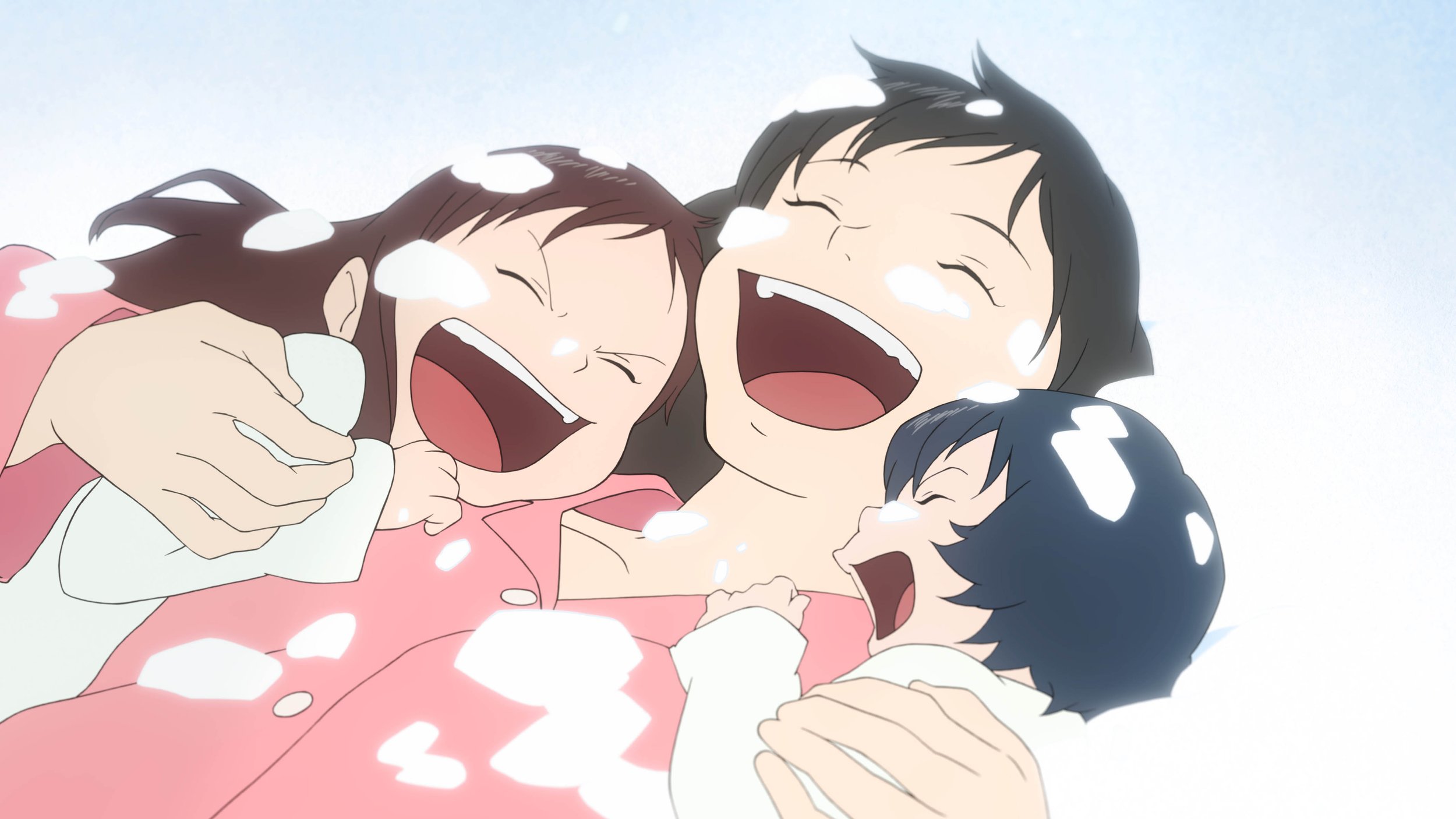
May 11-13
Various theaters
Various prices
New 4K remaster with both sub and dub screenings! College student Hana falls in love with a “wolf man” and together they have two half-human, half-wolf children, Ame and Yuki. The young family’s happy but humble life comes to an abrupt end when the father is tragically killed during a hunt. After struggling to raise her children in the busy city, Hana boldly decides to move to a dilapidated house in the countryside, in hopes that her children may one day decide their own path to happiness – whether “human” or “wolf.” This heart-wrenching modern fairy tale is a staggering work of beauty and emotion from Academy Award-nominated director Mamoru Hosoda. Rich with gorgeous animation and set to a poignant musical score, Wolf Children is a sweeping tale about self-discovery and the bonds of family.

Wednesday, May 14, 8:00 p.m.
Ichiko Aoba with Wordless Music Quintet
Kings Theatre, 1027 Flatbush Avenue (Brooklyn)
$42-$68
Ichiko Aoba has the power to bend space around her, pulling listeners from reality and surrounding them in the comforting fabric of her imagination. She’s been casting these spells since her debut at 19 years old, making picturesque dioramas with only her voice and guitar. But in recent years, she’s turned a corner and let a new process take hold.
The Japanese singer, songwriter, composer, and multi-instrumentalist tapped into the full breadth of her ability, marrying the classical guitar of her earlier work with lofty orchestral sweeps. She went big with Windswept Adan (2020), crafting a story about her deepening bond with nature. Collaborating closely with arranger Taro Umebayashi and creative director Kodai Kobayashi, the three of them freely shared ideas—both aural and visual—crystallizing a collective vision. The universe of Windswept Adan was so vast that it also included the script for an imaginary movie, drawings by Ichiko, and stunning photos by Kobayashi. For her new album, Luminescent Creatures, she opens an even wider portal into her mind. With support by Hayden Pedigo.

Friday, May 16, 7:30 p.m.
Shakuhachi Vogue – A Visual Concert
Japan Society, 333 47th Street
$43 nonmembers, $32 members
Traditional instrument supergroup The Shakuhachi 5 makes its East Coast debut in this provocative “visual concert.” Offering a dazzling repertoire spanning four centuries, including a work written for the ensemble by Dai Fujikura and a brand-new commission from Rome Prize winner Lisa Bielawa, these five shakuhachi rockstars aspire to boost the image of their primitive bamboo instrument as a hot, trendsetting device, seen throughout ukiyo-e woodblock imagery. In collaboration with NY based video/sound designer Tei Blow, music will be synced to a hypnotizing video collage of ukiyo-e from the Edo period, featuring swaggering, shakuhachi-wielding vagabonds and wandering Zen Buddhist monks. Performing a 400 year span of repertoire, the accompanying backdrop prints recall the shakuhachi-wielding vagabonds and wandering Zen Buddhist monks that are the band’s historic musical predecessors.
Read MoreJQ Magazine: Concert Review – Yoko Kanno, Logan Richardson Jam ‘Cowboy Bebop’ Classics in NYC
Article/Journalism, Celebrity, Events, JQ Magazine, Music, Reviews Comments Off on JQ Magazine: Concert Review – Yoko Kanno, Logan Richardson Jam ‘Cowboy Bebop’ Classics in NYC
By JQ magazine editor Justin Tedaldi (CIR Kobe-shi, 2001-02). Justin has written about Japanese arts and entertainment for JETAA since 2005. For more of his articles, click here.
Photos by Anthony Mulcahy.

On March 29, the Town Hall of New York became a community united in decades of song as a world-renowned anime composer made her NYC debut with Yoko Kanno Live!, her first U.S. concert since a 2013 solo piano gig at Otakon in Baltimore.

For this special performance–the seeds of which were planted when Kanno made a surprise appearance at 2023’s Cowboy Bebop 25th Anniversary Concert – The Music, also at Town Hall–the cultural icon was paired with two dozen musicians led by saxophonist, composer and bandleader Logan Richardson and the Blues People Big Band.

Town Hall artistic director Melay Araya kicked off the evening with a shoutout to the capacity crowd of space cowboys in the house, noting that Kanno was joining Bob Dylan, Nina Simone and Whitney Houston in the honor of making their New York concert hall debuts at Town Hall.

With the first half of the show dedicated to Cowboy Bebop, Richardson and his 16-piece big band started with jazzy small-combo pieces like “COSMOS,” “Odd Ones” and “Slipper Sleaze.” Introducing Kanno to the stage, Richardson remarked what an honor it was to rehearse and share a stage with such a legendary and exuberant figure. The two shared a special chemistry, with the deadpan, mostly seated Kansas City native providing a contrast to the bouncy, crimson-clad Kanno, who literally covered every inch of the stage conducting the various members of the orchestra from song to song.

A pair of vocal numbers brought out additional guest vocalists, reprising their original contributions to recordings made more than two decades ago. Australia’s Scott Matthew delivered the goods on “lithium flower” from Ghost in the Shell: Stand Alone Complex, while Utica’s own Steve Conte provided vocals, acoustic guitar and rock star swagger on “Could You Bite the Hand?” from Wolf’s Rain.
Read MoreJQ Magazine: Nippon in New York – Kenshi Yonezu, The Joy of Sake, ‘Sailor Moon’ Live
Art, Article/Journalism, Cartoon/Illustration, Celebrity, Events, Film, Japan Local, JQ Magazine, Music Comments Off on JQ Magazine: Nippon in New York – Kenshi Yonezu, The Joy of Sake, ‘Sailor Moon’ Live
By JQ magazine editor Justin Tedaldi (CIR Kobe-shi, 2001-02). Justin has written about Japanese arts and entertainment for JETAA since 2005. For more of his articles, click here.
Spring has sprung in the Big Apple, and that means one thing: a new season of sounds, colors, and spectacular performing arts to match the blossoming sakura trees throughout the city.
This month’s highlights include:

Friday, April 4, 8:00 p.m.
Kenshi Yonezu 2025 World Tour / JUNK
Radio City Music Hall, 1260 Sixth Avenue
From $175
Kenshi Yonezu, the brains behind the theme songs of popular anime such as Chainsaw Man and the Academy Award-winning Studio Ghibli film The Boy and the Heron, makes his Radio City Music Hall debut! After gaining success with Vocaloid music under the stage name Hachi, Kenshi Yonezu began producing under his real name in 2012. In addition to music, he has attracted attention for his album cover illustrations and video productions. The video for his hit single “Lemon,” the long-running theme song for the TV series Unnatural, is the most-viewed music video in Japan, and topped Billboard Japan’s year-end charts for two consecutive years, leaving a mark on music history both in Japan and abroad. His newest single “Plazma” is the official theme song to the latest installment in the iconic Gundam franchise, Mobile Suit Gundam GQuuuuuuX -Beginning-. Available everywhere now, the track features electrifying vocals from Yonezu alongside high-tempo synths and electronic rhythms to match the vibrant universe of the mecha and their epic space battles.

April 2-20
In the Pinku: The Return of Roman Porno
Metrograph, 7 Ludlow Street
$17
lIn 1971, facing flagging attendance thanks to competition from television and the specter of bankruptcy, the venerable studio Nikkatsu, the oldest in Japan, remembered the ancient wisdom that “Sex sells”—thus was the Roman Porno line born. Playing alongside the cheaper, independently produced so-called “pink films,” Roman Porno were often more than just salacious—though they were, of course, plenty salacious—for as long as their makers served up the obligatory naked flesh and softcore idylls, they were left free to throw in all the formal flourishes, experimental performances, radical politics, and morbid psychology they so desired. From the ’70s heyday of the Roman Porno to more recent works by Sion Sono and Akihiko Shiota, this six-film series, accompanying a run of Love Hotel, Shinji Somai’s lone venture into Roman Porno, is a trip to the exhilarating intersection of art and smut.

Monday, April 7, 8:00 p.m. and 10:30 p.m.
Hiromi’s Sonicwonder: One Night Special Performance
Blue Note Jazz Club, 131 West Third Street
Limited availability
Since Hiromi’s debut album Another Mind (2003), the world-renowned pianist’s sound has evolved with every release, erasing the lines between jazz and classical, composition and improvisation. This special intimate performance celebrates the release of Out There, Hiromi’s 13th studio full-length album. Born in Hamamatsu, Japan, Hiromi began studying piano when she was six years old. When she was 17, Chick Corea invited her to play with him at a Tokyo concert. She attended Berklee College of Music in Boston, Massachusetts, where she was mentored by jazz legend Ahmad Jamal. A prolific artist, she has also recorded the soundtrack to Blue Giant, an animated feature film based on the popular manga. Hiromi is a perennial favorite on DownBeat’s Annual Critics and Readers Poll, and has performed at the world’s finest jazz festivals, including Montreux, Umbria, North Sea, Newport, and Monterey. Her work has been celebrated by media including the New York Times, NPR and NPR Music, and the Washington Post, and she was a featured performer at the Tokyo Olympics opening ceremony in 2021.
Read MoreJQ Magazine: Nippon in New York – Midori, ‘Witchwatch’, Yoko Kanno Live!
Art, Article/Journalism, Events, Film, JQ Magazine, Music Comments Off on JQ Magazine: Nippon in New York – Midori, ‘Witchwatch’, Yoko Kanno Live!
By JQ magazine editor Justin Tedaldi (CIR Kobe-shi, 2001-02). Justin has written about Japanese arts and entertainment for JETAA since 2005. For more of his articles, click here.
Stay warm this winter with some hot local events, from live showcases that will transport you to another time and place, a clutch of new anime screenings, and a live performance you won’t want to miss.
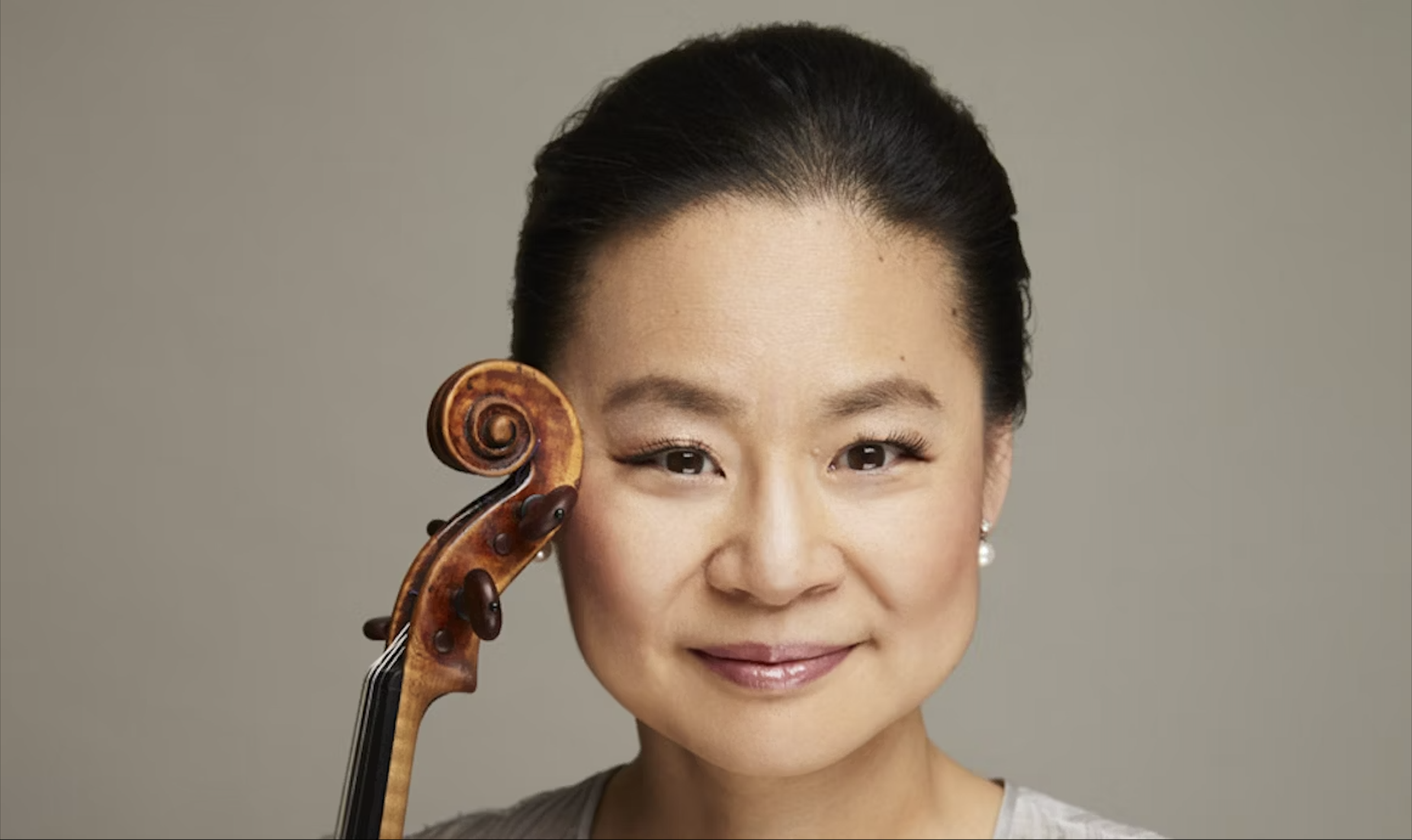
One of the great artists of the violin world, Midori returns to the 92NY stage with pianist Özgür Aydin for a recital of music at the heart of her artistry. She opens with the New York premiere of a new work by Che Buford inspired by spirituals, followed by Brahms’ beautiful Violin Sonata in G Major and Poulenc’s Violin Sonata, with its touches of Parisian character. Celebrating the 150th anniversary of his birth, the concert closes with a pair of pieces by Ravel, including one of Midori’s signature works, the fiery Tzigane, which she performed in her recital debut over 30 years ago and continues to make her own.
Program: CHE BUFORD Resonances of Spirit BRAHMS Sonata No. 1 in G Major, Op. 78 ———– POULENC Sonata for Violin and Piano RAVEL Kaddish (arr. L. Garban) Tzigane
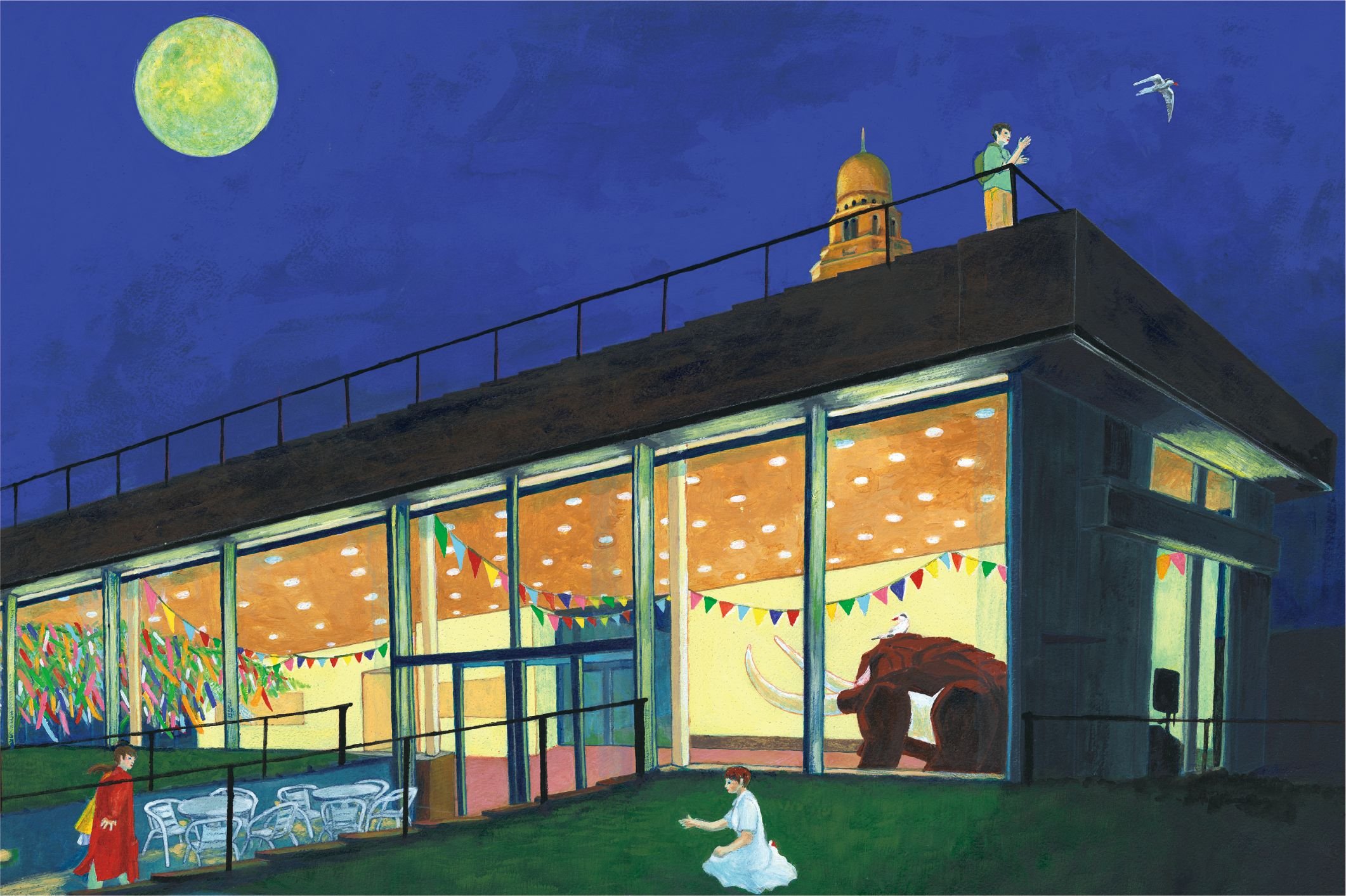
Monday, March 10, 7:30 p.m.
Japan Society, 333 East 47th Street
$21, $14 Japan Society members
In the wake of the 2011 Fukushima nuclear disaster, an aging mother and her adult hikikomori (shut-in) son struggle under the weight of isolation, time and memory. With a cataclysmic flash, the woman is in jeopardy, unable to find help in her haunted and absent son and invisible to passerby behind her property fence. Yet, in a torn and poisoned world, sometimes we do the most good by extending a hand over the fence towards what we can’t reach. Continuing our focus on female playwrights, Izumi Kasagi, whose play the far side of the moon was a prestigious Kishida Kunio Drama Award finalist, paints lives in shimmering watercolors in this moving modern meditation on old age and loneliness. Skye Kowaleski, NYC-based holistic artist and former co-director of the OBIE-award winning venue JACK, leads their local cast through this poetic work. Followed by an Artist Q&A.

March 12, 16
Mobile Suit Gundam: Char’s Counterattack
Various theaters
Various prices
An Anime Expo Cinema Nights exclusive! Universal Century 0093. The previously missing Char Aznable has revived Neo Zeon and declared war against the Earth Federation government. The Londo Bell unit commanded by Bright Noa is forced to fight alone and unaided against the Neo Zeon forces, which have begun dropping asteroids onto the Earth. Among the Londo Bell members is Amuro Ray, Char’s longtime rival. But their valiant efforts are in vain as 5th Luna falls onto the planet. Sensing a further threat behind Char’s movements, Amuro heads for the Moon to collect the Nu Gundam, a mobile suit equipped with a psycho-frame. Waiting for him is its lead developer, Chan Agi. Meanwhile, Bright’s son Hathaway Noa meets a girl named Quess Paraya on his way into space, and is instantly attracted to her.
Read MoreJQ Magazine: Nippon in New York – ‘Hans Zimmer Live,’ PHANTOM SIITA, ‘Gundam’ Premiere
Art, Article/Journalism, Events, Film, JQ Magazine, Music Comments Off on JQ Magazine: Nippon in New York – ‘Hans Zimmer Live,’ PHANTOM SIITA, ‘Gundam’ Premiere
By JQ magazine editor Justin Tedaldi (CIR Kobe-shi, 2001-02). Justin has written about Japanese arts and entertainment for JETAA since 2005. For more of his articles, click here.
Stay warm this winter with some hot local events, from live showcases that will transport you to another time and place, a clutch of new anime screenings, and a live J-idol performance you won’t want to miss.
This month’s highlights include:

Feb. 5, 6, 9
Various theaters
Various prices
Anime Expo Cinema Nights presents Cowboy Bebop: The Movie. Caught up in a world of dreams, lost in the cruelty of reality. What should have been an easy bounty turns into biological war after a terrorist gets hold of a deadly virus. Drawn in by the pretty price on the mastermind’s head, Spike and the Bebop crew are ready to collect a much-needed reward. Unfortunately, the gang’s about to find themselves in more trouble than money when the terrorist threatens to unleash the virus on Halloween– effectively killing everyone on Mars. With little time and leads that seem more dreamy than helpful, they’ll have to use their own bag of tricks to stop a dangerous plot.
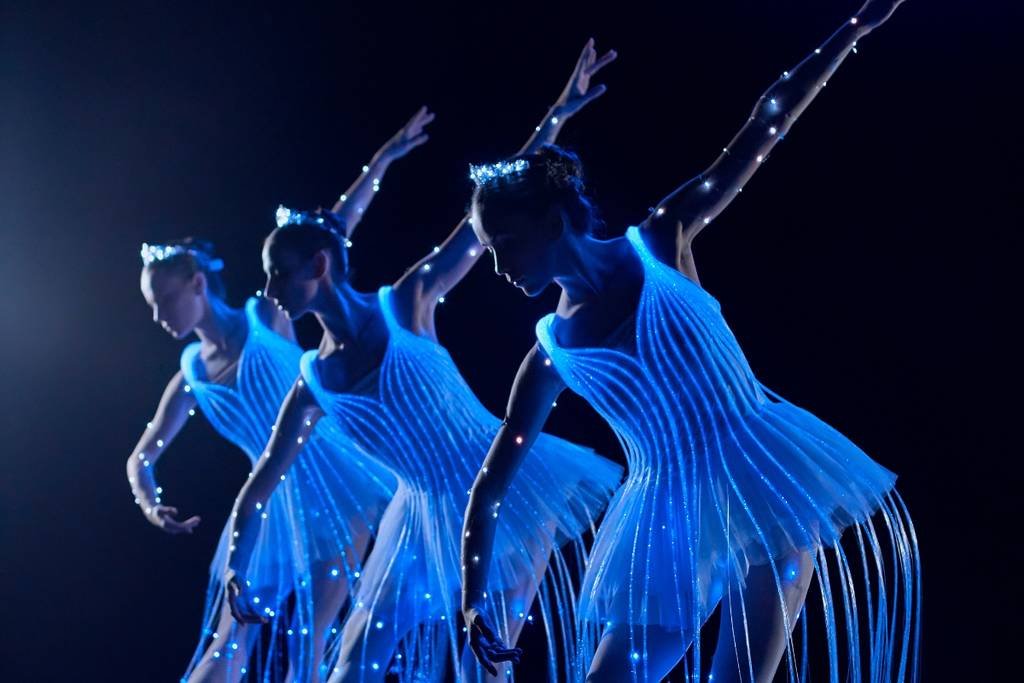
Feb 5-7, March 29
We Call It Ballet: Sleeping Beauty in a Dazzling Light Show
Gerald W. Lynch Theater, 524 West 59th Street
$45-$65
Experience Sleeping Beauty like never before in this dance and light show. Enjoy a unique fusion of classical ballet and modern technology, where local dancers literally light up the stage with glittering routines and glow-in-the-dark costumes. The timeless tale of the cursed princess awakened by her true love’s kiss comes to life on stage, as pirouettes and gravity-defying leaps cast a kaleidoscope of colours across the space. It’s a beautiful production you won’t want to miss!

Thursday, Feb. 6, 7:30 p.m.
Barclays Center, 620 Atlantic Avenue (Brooklyn)
From $274
Last call! Due to overwhelming demand for the sold-out Hans Zimmer Live 2024 North American fall tour, the award-winning film composer has added an additional show in Brooklyn. This performance is the last opportunity for NYC-area fans to see Hans Zimmer Live before he begins working on a brand-new live production. Hans Zimmer Live showcases the multiple Academy Award® and Grammy winning composer’s groundbreaking audio and visual show featuring a selection of the composer’s scores, brought to life by Zimmer and his 18-piece live band and full orchestra. The newly arranged concert suites include music from Gladiator, Pirates of the Caribbean, The Dark Knight, Interstellar, The Lion King, The Last Samurai and Dune, for which Zimmer received his second Academy Award®.
Read MoreJQ Magazine: Nippon in New York – ‘Paprika,’ FINAL FANTASY VII REBIRTH Orchestra, ‘The Colors Within’
Article/Journalism, Celebrity, Events, Film, JQ Magazine, Music, Video Comments Off on JQ Magazine: Nippon in New York – ‘Paprika,’ FINAL FANTASY VII REBIRTH Orchestra, ‘The Colors Within’
By JQ magazine editor Justin Tedaldi (CIR Kobe-shi, 2001-02). Justin has written about Japanese arts and entertainment for JETAA since 2005. For more of his articles, click here.
Start the new year right by heading down to your local concert venue, cinema, or arts center for some fantastic new year’s fare. Whether you enjoy movies, travel, or orchestral performances, treat yourself and catch a break from the cold.
This month’s highlights include:
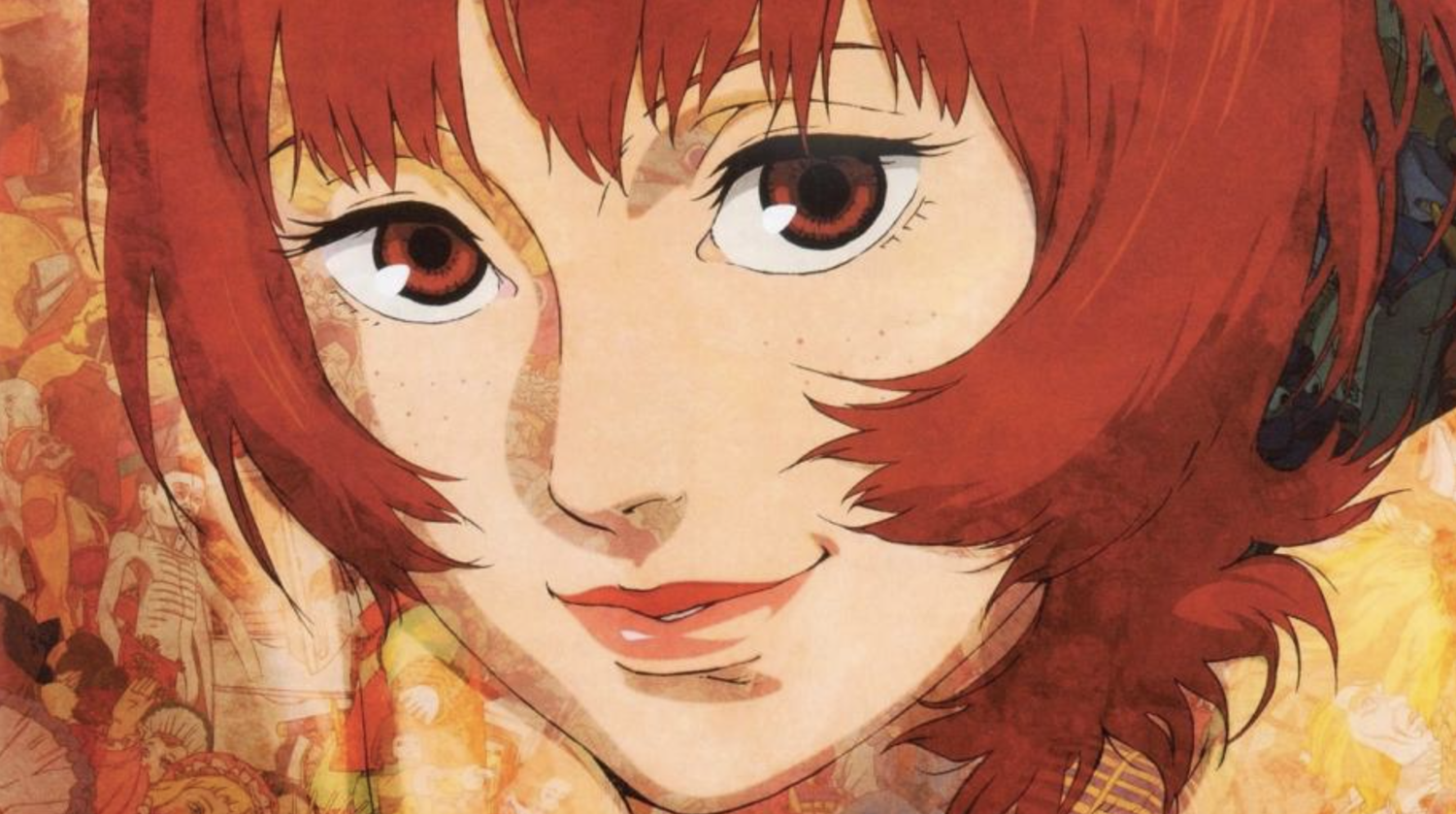
Jan. 8, 9, 12
Various theaters
Various prices
Anime Expo Cinema Nights presents the final film ever made by visionary director Satoshi Kon (Perfect Blue, Tokyo Godfathers) with his mind-bending thriller Paprika, which has been restored in 4K for these exclusive theatrical screenings! When a machine that allows therapists to enter their patients’ dreams is stolen, all hell breaks loose. Only a young female therapist, Paprika, can stop it. Dreams become reality and vice versa in this psychological fantasy you won’t want to miss! Featuring the voice talents of Megumi Hayashibara, Kōichi Yamadera, and Tôru Furuya.
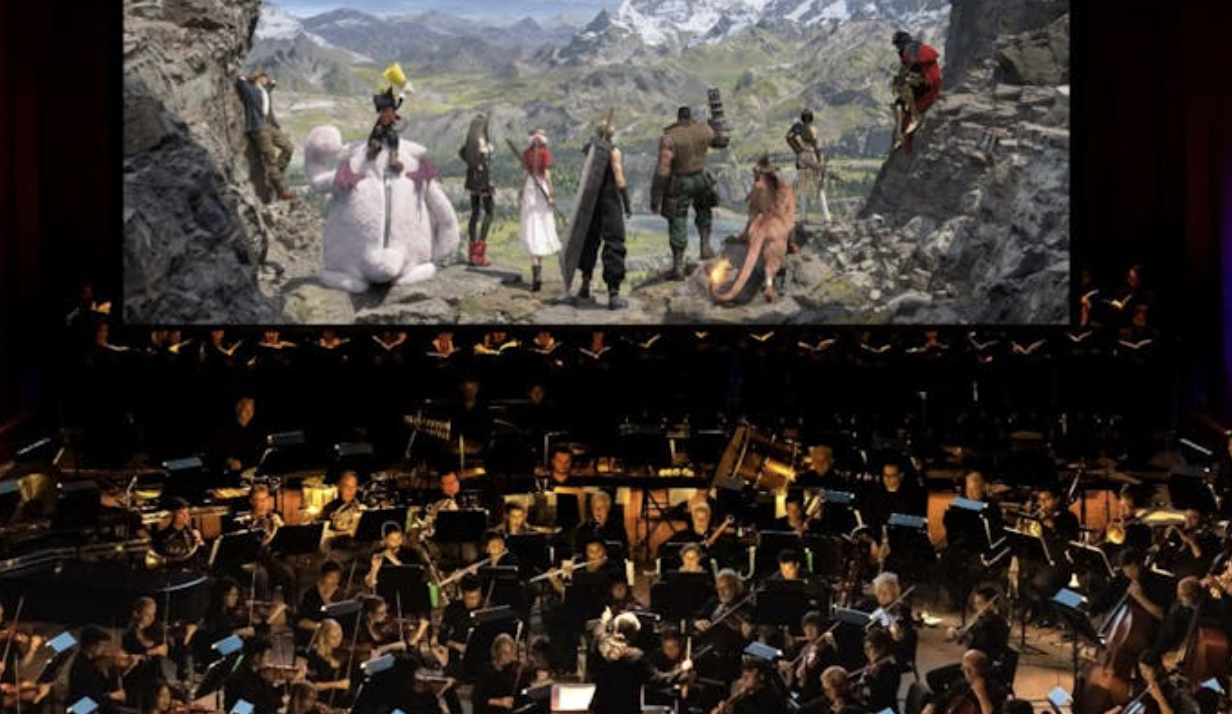
Saturday, Jan. 11, 2:00 and 8:00 p.m.
FINAL FANTASY VII REBIRTH Orchestra World Tour
Carnegie Hall, 881 Seventh Avenue
From $53.50
FINAL FANTASY VII REBIRTH features new symphonic arrangements of the music of Final Fantasy VII Rebirth, with scores by Nobuo Uematsu with contributions from Mitsuto Suzuki, Masashi Hamauzu, and other composers and arrangers, performed by the Shinra Symphony Orchestra and chorus of over 100 musicians led by conductor Arnie Roth. These concerts will have composer Masashi Hamauzu in attendance and include a special performance of Nobuo Uematsu’s “No Promises to Keep” by the song’s original vocalist Loren Allred. A limited number of VIP Meet & Greet tickets will be available for purchase as an add-on to a concert ticket. The VIP Meet & Greet add-on grants access to the post-concert meet & greet event with artists including an autograph and photo opportunity.

Jan. 15-18, 7:30 p.m.
Shuji Terayama’s Duke Bluebeard’s Castle
Japan Society, 333 East 47th Street
$36, $48
Bluebeard is given a Harajuku makeover in Duke Bluebeard’s Castle, a wild burlesque-like subversion of the French gothic horror legend. Shuji Terayama, father of Japan’s angura (underground) theater movement in the 1960s and ’70s, was repeatedly drawn to the story of Bluebeard’s wives and the locked castle door, culminating in this mind-bending game of cat-and-mouse that questions the very nature of theater itself. Saturated with dark magic tricks, fiddlers and accordion players, aerial dance and more, Project NYX, led by Kanna Mizushima, brings a cross-dressing cast of nearly 30 members to Japan Society for a production directed by illustrious Korean-Japanese experimental theater director Kim Sujin. Find out who escapes the castle in this macabre, magic-infused Lolita fashion spectacle. On Friday, January 17, a pre-performance lecture on Shuji Terayama led by University of California, Los Angeles Professor Emerita of Theatre Carol Fisher Sorgenfrei will begin at 6:30 p.m. All ticketholders for Duke Bluebeard’s Castle are welcome to attend this one-night-only pre-performance event with a valid ticket as space allows. Performed in Japanese with English supertitles.
Read MoreNippon in New York: Babymetal Movie, ‘LOTR’ Anime, 8-Bit Big Band
Art, Article/Journalism, Events, Film, JQ Magazine, Music Comments Off on Nippon in New York: Babymetal Movie, ‘LOTR’ Anime, 8-Bit Big Band
By JQ magazine editor Justin Tedaldi (CIR Kobe-shi, 2001-02). Justin has written about Japanese arts and entertainment for JETAA since 2005. For more of his articles, click here.
With Thanksgiving (and the hopes of sensible eating) now just a memory, we turn to colder weather, falling snow, and the new year to come. Fortunately for Japanese culture fans, December is just as busy as the holiday season itself. Whether you’re hosting guests from out of town or looking to squeeze in an event or two in between parties, we’ve got you covered.
This month’s highlights include:
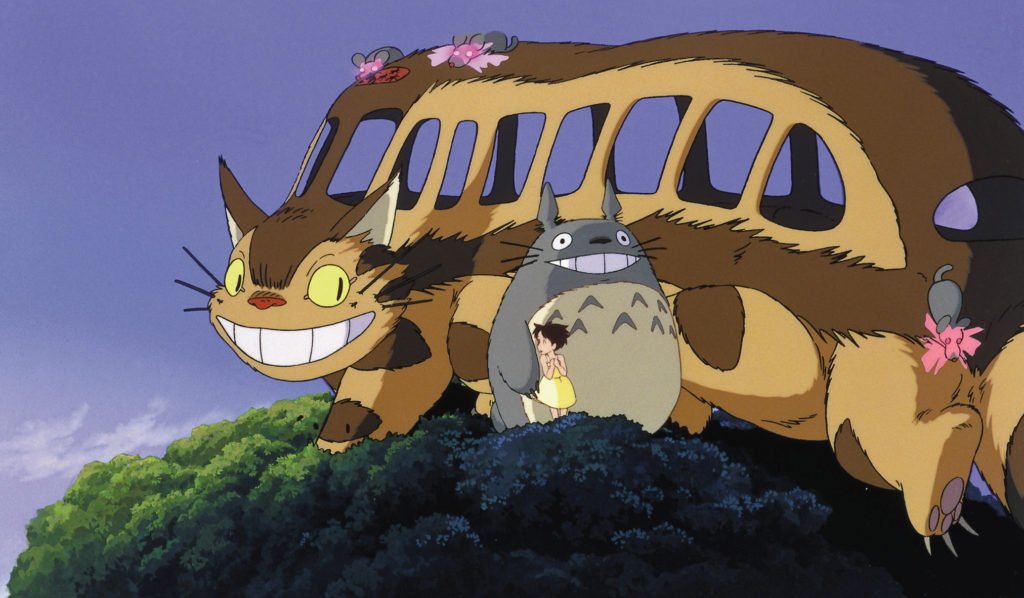
Dec. 7-11
Various theaters
Various prices
From the legendary Studio Ghibli, creators of Spirited Away and Ponyo, and Academy Award®-winning director Hayao Miyazaki, comes a classic tale of magic and adventure for the whole family. When Satsuki and her sister Mei move with their father to a new home in the countryside, they find country life is not as simple as it seems. They soon discover that the house and nearby woods are full of strange and delightful creatures, including a gigantic but gentle forest spirit called Totoro, who can only be seen by children. Totoro and his friends introduce the girls to a series of adventures, including a ride aboard the extraordinary Cat Bus, in this all-ages animated masterpiece featuring the voices of Tim Daly, Lea Salonga, and real-life sisters Dakota and Elle Fanning, in early roles.
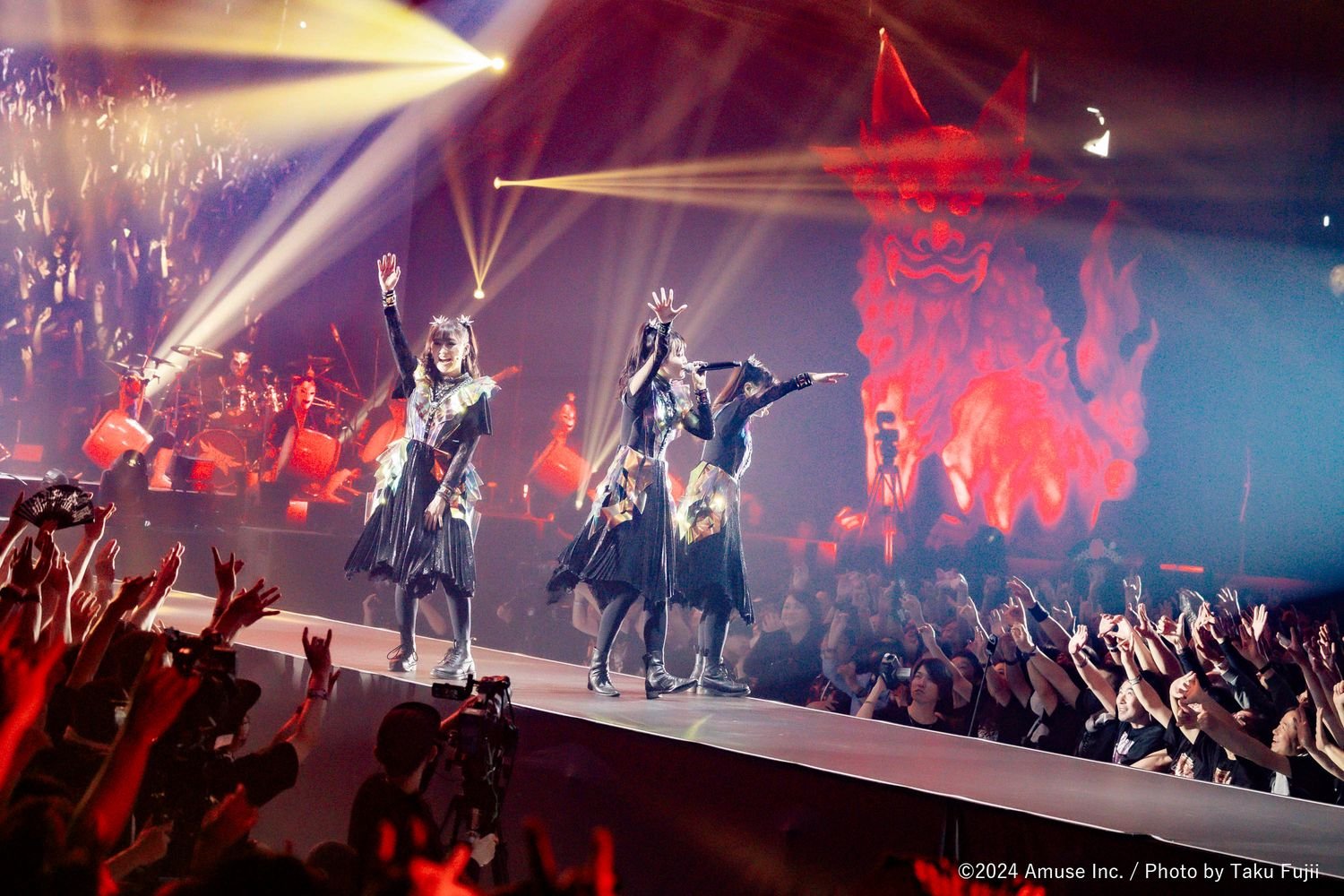
Dec. 11, 15
Various theaters
Various prices
Anime Expo Cinema Nights Presents a special concert film of the band BABYMETAL with their worldwide tour Legend-43. In April 2023, SU-METAL (Vocal, Dance), MOAMETAL (Scream, Dance), and MOMOMETAL (Scream, Dance) entered a new stage as the newly born BABYMETAL. Since then, they have embarked on their largest world tour, “BABYMETAL WORLD TOUR 2023 – 2024,” which took them to 25 countries, including Japan. The headline tour, excluding festivals and guest acts, drew a cumulative audience of more than 280,000 people for a total of 98 performances. The final chapter of the world tour, the first Okinawa performance “TOUR FINAL IN JAPAN LEGEND – 43”, has been fully filmed. The film is BABYMETAL’s first live film that allows viewers to experience all of the diverse music, unique worldview, production that only a tour final can offer, and the overwhelming performance of BABYMETAL, which has evolved even further during their world tour.

Thursday, Dec. 12, 7:30 p.m.
Japan Society, 333 East 47th Street
$22-$31
One of the great masterworks of Japanese silent cinema, Daisuke Ito’s A Diary of Chuji’s Travels exists in incomplete form—a triptych missing its first segment with remnants of its second and third parts—yet stands out as a seminal jidaigeki (period drama), voted the greatest Japanese film of all time in a 1959 Kinema Junpo poll. Starring Ito’s frequent collaborator Denjiro Okochi, another great star of the silent era known for his portrayal of Tange Sazen, A Diary of Chuji’s Travels recounts the exploits of Chuji Kunisada (Okochi), the outlaw bakuto (gambler)—a real-life proto-yakuza figure who took on a romanticized Robin Hood reputation. A fragmented version of its once four-hour long runtime, A Diary of Chuji’s Travels is a kinetic dispersal of rapid-cut swordplay sequences, fluid camerawork (Ito was nicknamed Ido daisuki, a pun on his name meaning “big fan of camera movement”), expressionist techniques and political commentary—an embodiment of the modernized period drama that both Ito, “the father of jidaigeki,” and Okochi helped pioneer. Followed by a private gathering for artists and members. A pre-performance lecture on benshi begins before the screening at 6:30 p.m.
Read MoreJQ Magazine: Nippon in New York – ‘Ninja Scroll’ Revival, ‘Cowboy Bebop,’ ‘Demon Slayer’ In Concert
Article/Journalism, Events, Film, JQ Magazine, Music Comments Off on JQ Magazine: Nippon in New York – ‘Ninja Scroll’ Revival, ‘Cowboy Bebop,’ ‘Demon Slayer’ In Concert
By JQ magazine editor Justin Tedaldi (CIR Kobe-shi, 2001-02). Justin has written about Japanese arts and entertainment for JETAA since 2005. For more of his articles, click here.
As the summer winds fade into fall colors, the weeks ahead are shaping up with these exciting events, ready to be enjoyed after Labor Day.
This month’s highlights include:
Sept. 11-12, 15-17
Various theaters
Various prices
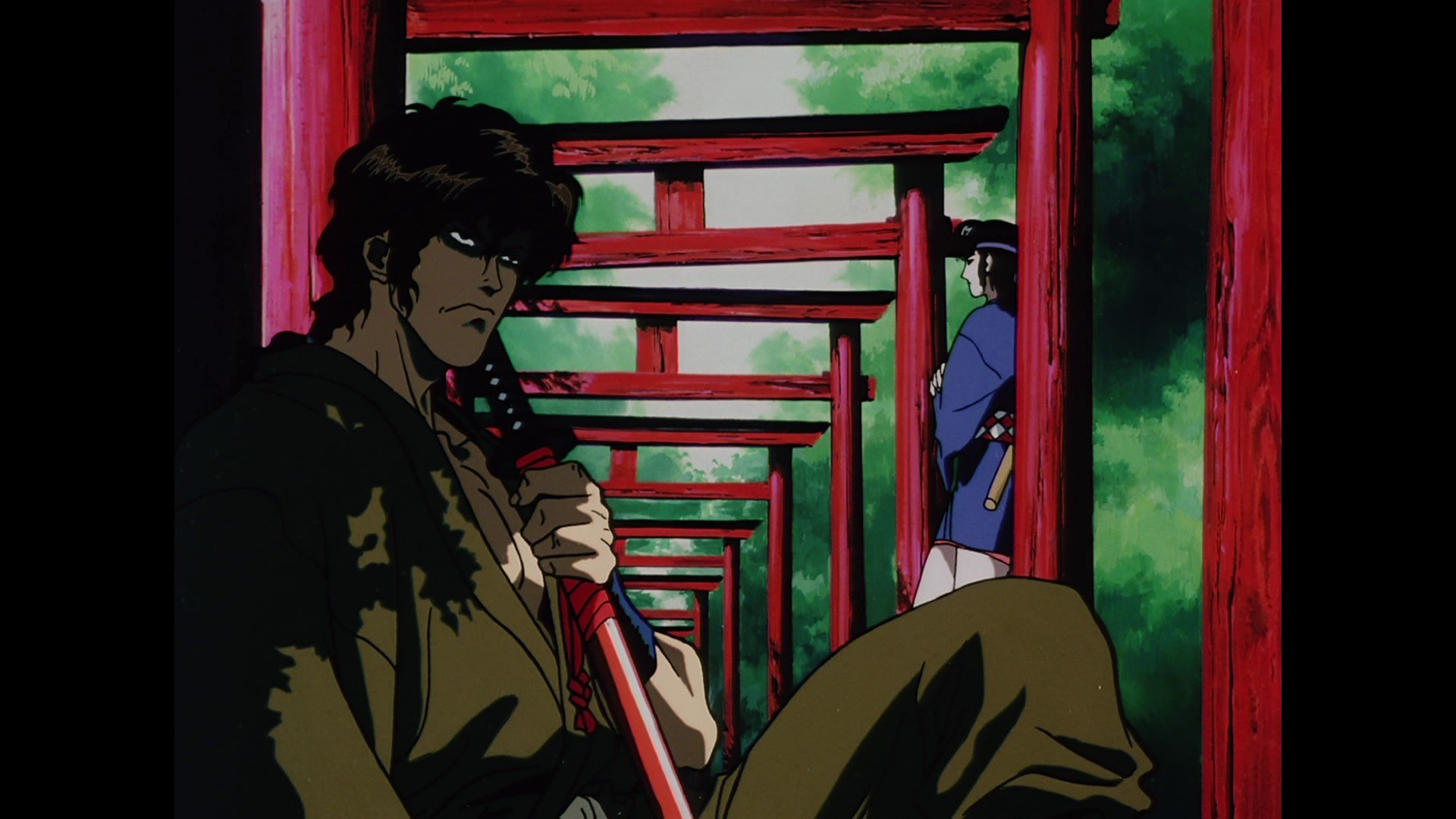
Anime Expo Cinema Nights Presents the classic anime Ninja Scroll’s 30th anniversary with an all-new exclusive interview with director Yoshiaki Kawajiri! A mysterious vagabond sets out on a journey to confront his past. Little does he know he is up against a demonic force of killers, with a ghost from his past as the leader. When Jubei saves a young ninja woman from the unthinkable, he assumes that’s the end of it. To his surprise, it’s only just the beginning. Together, the two investigate the mysterious deaths of an entire village which uncovers a conspiracy of demonic proportions! Getting closer to the truth, the demonic forces will stop at nothing to silence Jubei and his companion for good!

Sept. 11-15, 17-19
Japan Society, 333 East 47th Street
$44, $58
Dogugaeshi, the award-winning phenomenon by genius puppeteer Basil Twist, is back! Born as a Japan Society commission, this ever-innovative piece now celebrates its 20th anniversary. Enter a mystical world, where a mysterious white fox shepherds you through past and present Japan. Inspired by a disappearing traditional stage mechanism from Japan’s Awa region called dogugaeshi, Twist has created fusuma screens with stunning painted imagery that dance, slide, flip, conceal and reveal to pull audiences deeper into a brain-bending optical illusion. Dogugaeshi is a cross-cultural collaboration with master shamisen player and experimental musician Yumiko Tanaka, whose multi-layered music collage embraces everything from traditional tunes to popular songs.

Sept. 12-13, 7:00 p.m.
Cowboy Bebop LIVE Presented by Bebop Bounty Big Band
Gramercy Theatre, 127 East 23rd Street
From $71.55
Cowboy Bebop LIVE is a complete multimedia experience highlighting the story of critically acclaimed anime, Cowboy Bebop, on the big screen accompanied by live music from the soundtrack performed by the Bebop Bounty Big Band. This 14-piece jazz ensemble features world-class musicians with members from the world famous Glenn Miller Orchestra, the Jazz Orchestra at Dr. Phillips Center, and the Walt Disney Company. This show is a completely one-of-a-kind production specifically designed to deliver an experience anime fans have never had before. Travel the solar system with anime’s most iconic soundtrack at Cowboy Bebop LIVE!
Read MoreJQ Magazine: Concert Review – This Is Your Brain on YOASOBI
Article/Journalism, JQ Magazine, Music, Reviews Comments Off on JQ Magazine: Concert Review – This Is Your Brain on YOASOBI
Story and photos by JQ magazine editor Justin Tedaldi (CIR Kobe-shi, 2001-02). Justin has written about Japanese arts and entertainment for JETAA since 2005. For more of his articles, click here.
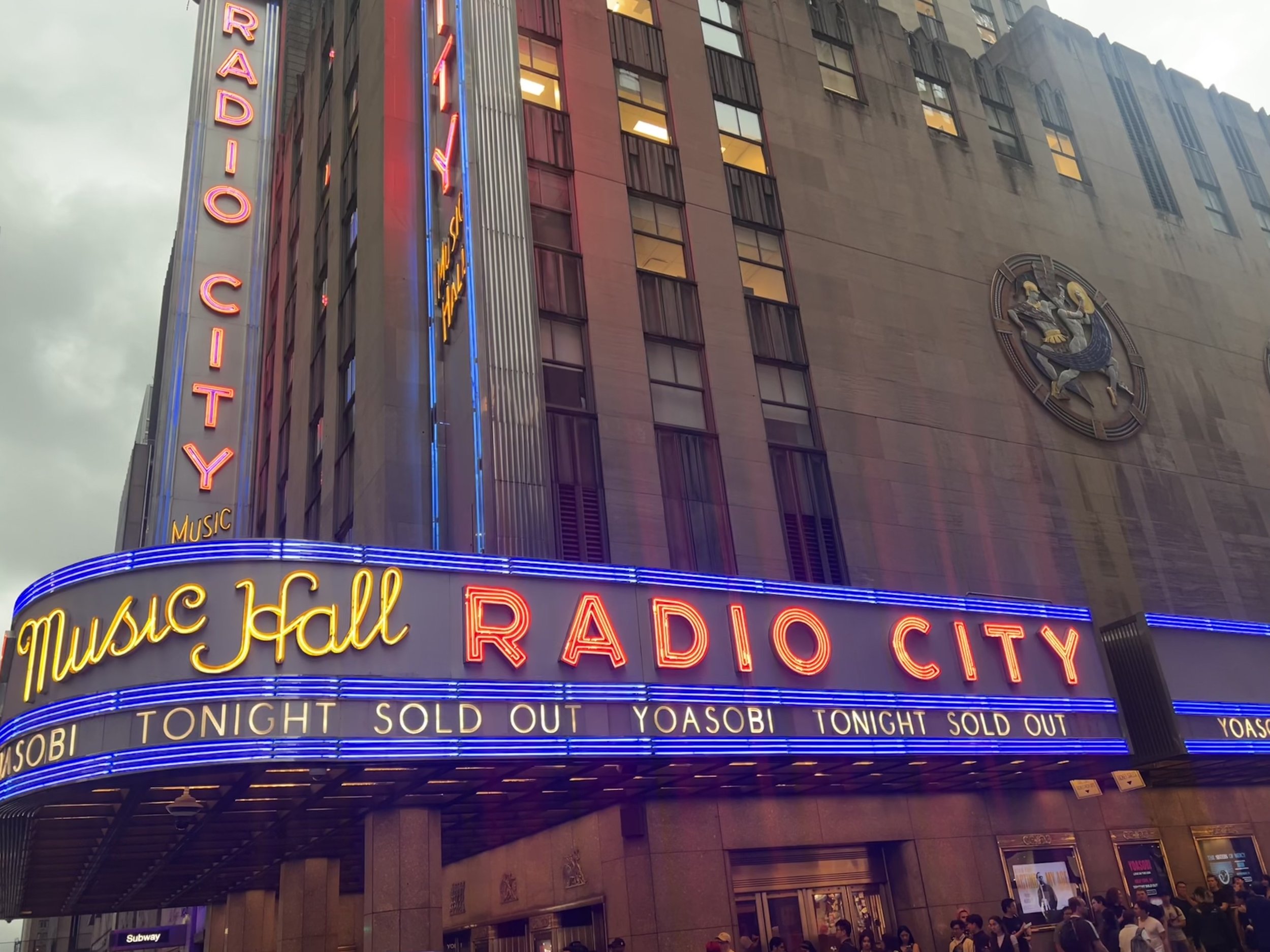
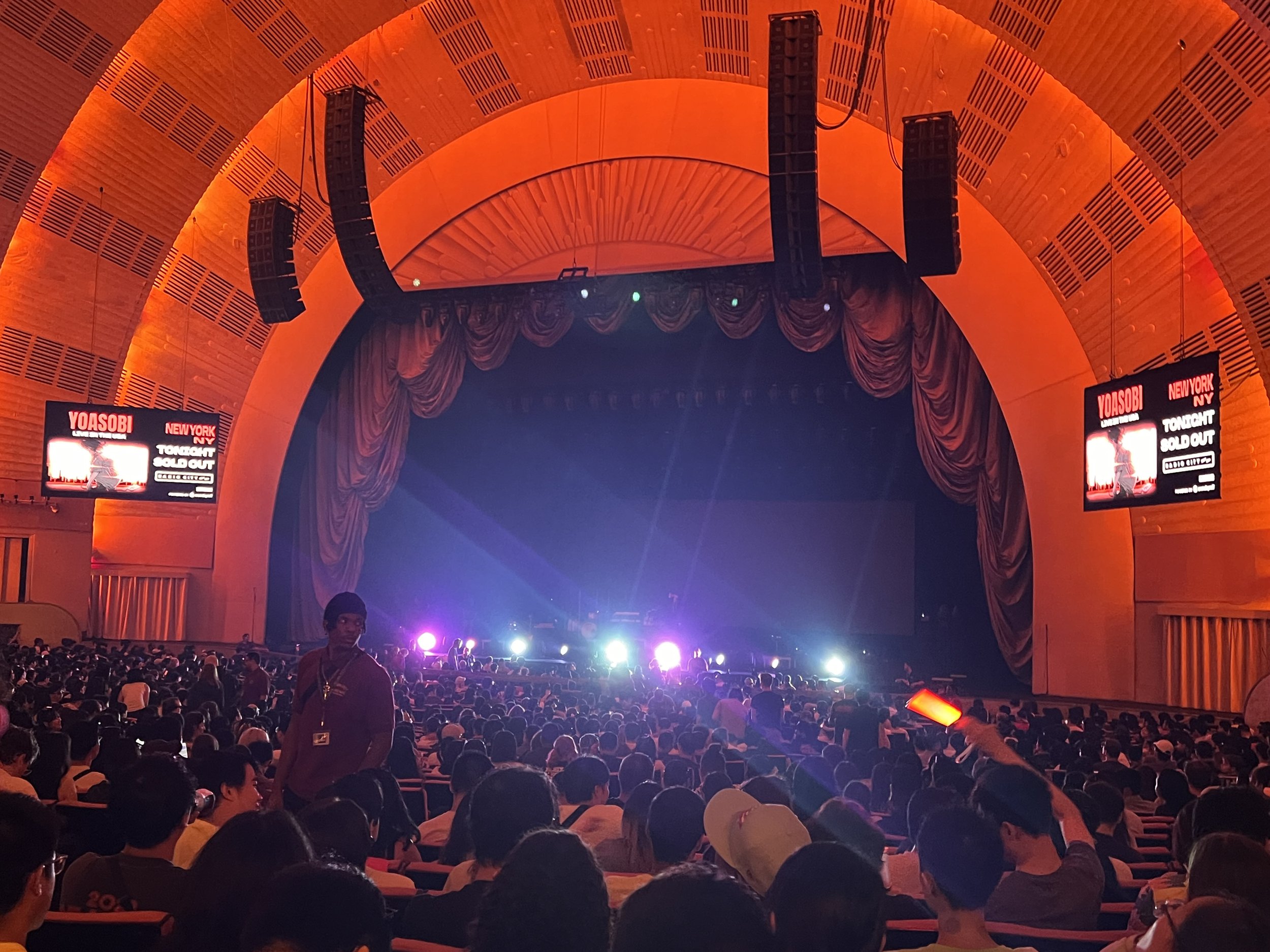
Yesterday (Aug. 6), gloomy skies gave way to a candy-colored world inside Radio City Music Hall as J-pop sensation YOASOBI made their New York debut with a sold out performance at Radio City Music Hall just days after appearing at Lollapalooza in Chicago. As the packed crowd settled in to the intro music of “I Bet My Life” by Imagine Dragons, composer Ayase, vocalist ikura and their tight four piece band took the stage and would not let go for the next 90 minutes.
On a massive horizontal high def screen behind them, a CGI storybook opened to whimsical music and purple spotlights launching into a full light show, bringing an arena-ready feel to the nearly 6,000 in attendance.
“We are YOASOBI from Japan!” proclaimed ikura, as the group unveiled their opening statement of “UNDEAD” (their latest song, appearing in anime MONOGATARI Series OFF & MONSTER Season) and “Shukufuku.” “We came ready to rock the stage. Are you ready to sing? Are you ready to dance?”
The crowd certainly was, as the tune “Seventeen” featured slap bass, dazzling projections and countless green lasers that beamed all the way to the ceiling. “Halcyon” received thunderous applause, with this upbeat ballad spiked with acoustic guitars and a disco chorus giving way to “Suki Da.” “Okay everybody, let’s rock together!,” commanded ikura, prompting synchronized handclaps by the crowd to some very animated lyrics onscreen.
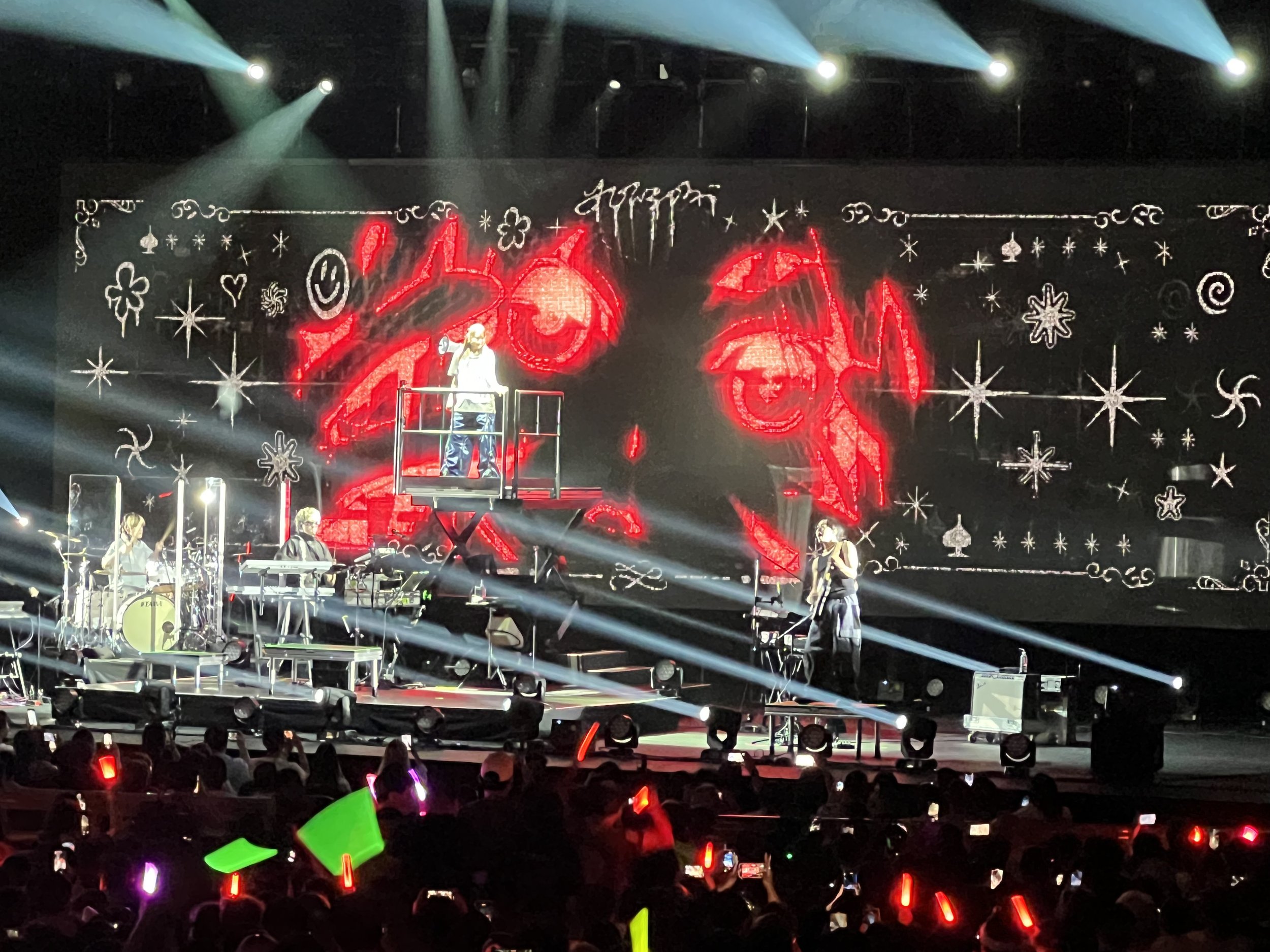
“For the next song, I want to see a sense of unity, so everyone light up your phones.” This introduction to “Tabun” did just that, with the entire crowd up on their feed and swaying their arms in unison, phones aglow.
Read MoreJQ Magazine: Nippon in New York – FLOW, YOASOBI, Anime NYC
Art, Article/Journalism, Celebrity, Events, Film, JQ Magazine, Music Comments Off on JQ Magazine: Nippon in New York – FLOW, YOASOBI, Anime NYC
By JQ magazine editor Justin Tedaldi (CIR Kobe-shi, 2001-02). Justin has written about Japanese arts and entertainment for JETAA since 2005. For more of his articles, click here.
In the dog days of summer, it’s best to escape the heat in a place that’s cozy and cool. For those into both cutting-edge and classic anime, this month offers a diverse trio of theatrical revivals—all in the comfort of indoor air conditioning.
This month’s highlights include:
August 2-8
Elinor Bunin Munroe Film Center, 144 West 65th Street
$16, $19
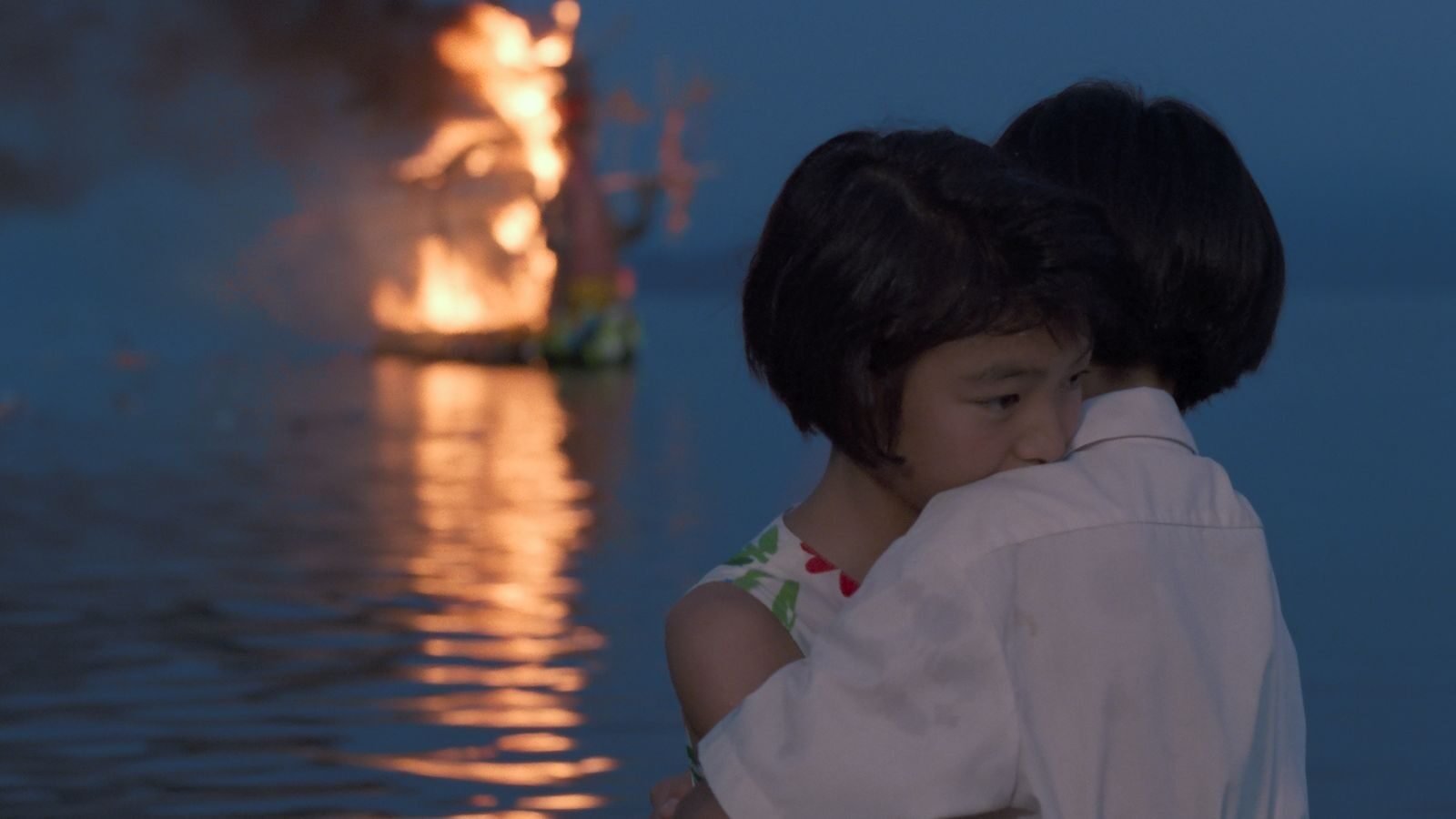
A noted influence on Ryûsuke Hamaguchi, Hirokazu Kore-eda, and Kiyoshi Kurosawa, among many others, Shinji Sōmai was a consummate filmmaker’s filmmaker, and Moving is one of his most remarkable achievements. It follows the gradual, frequently messy untangling of love between a divorced couple in Kyoto as experienced by their 11-year-old daughter Renko (Tomoko Tabata, giving easily one of the greatest child performances in film), but evolves into something altogether stranger and more elemental by its conclusion. What’s so exceptional about Moving is its frank understanding of adolescent feeling and the emotional fluctuations borne out by loss and growing up, rendered in an exquisite color palette and via dexterous long takes. It’s a film that is as genuinely heartbreaking as it is funny and touching. This August, Film at Lincoln Center is thrilled to present the long overdue New York theatrical release of Moving in its brand-new 4K restoration, which won the Best Restored Film Award at the 2023 Venice Classics. A selection of the Un Certain Regard section at the 1993 Cannes Film Festival. A Cinema Guild release. Screenings feature an exclusive video introduction from Ryûsuke Hamaguchi!
August 3-7
Various theaters
Various prices
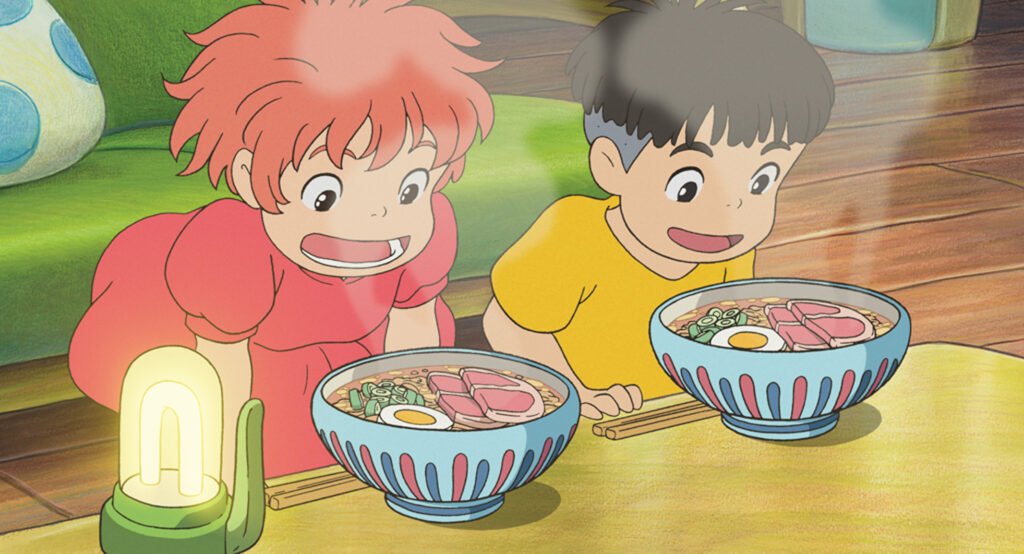
From Academy Award-winning director Hayao Miyazaki! Perfect for audiences of all ages, Ponyo centers on the friendship between five-year-old Sosuke and a magical goldfish named Ponyo, the young daughter of a sorcerer father and a sea-goddess mother. After a chance encounter, Ponyo yearns to become a human so she can be with Sosuke. As to be expected with Miyazaki, the film is awash in pure unbridled imagination and visual wonder–but it is the tender love, humor, and devotion exhibited by Ponyo and Sosuke that form the emotional heart of the film.
Sunday, August 4, 8:00 p.m.
FLOW – 2024 Anime Shibari Tour
Hammerstein Ballroom at Manhattan Center, 311 West 34th Street
From $44
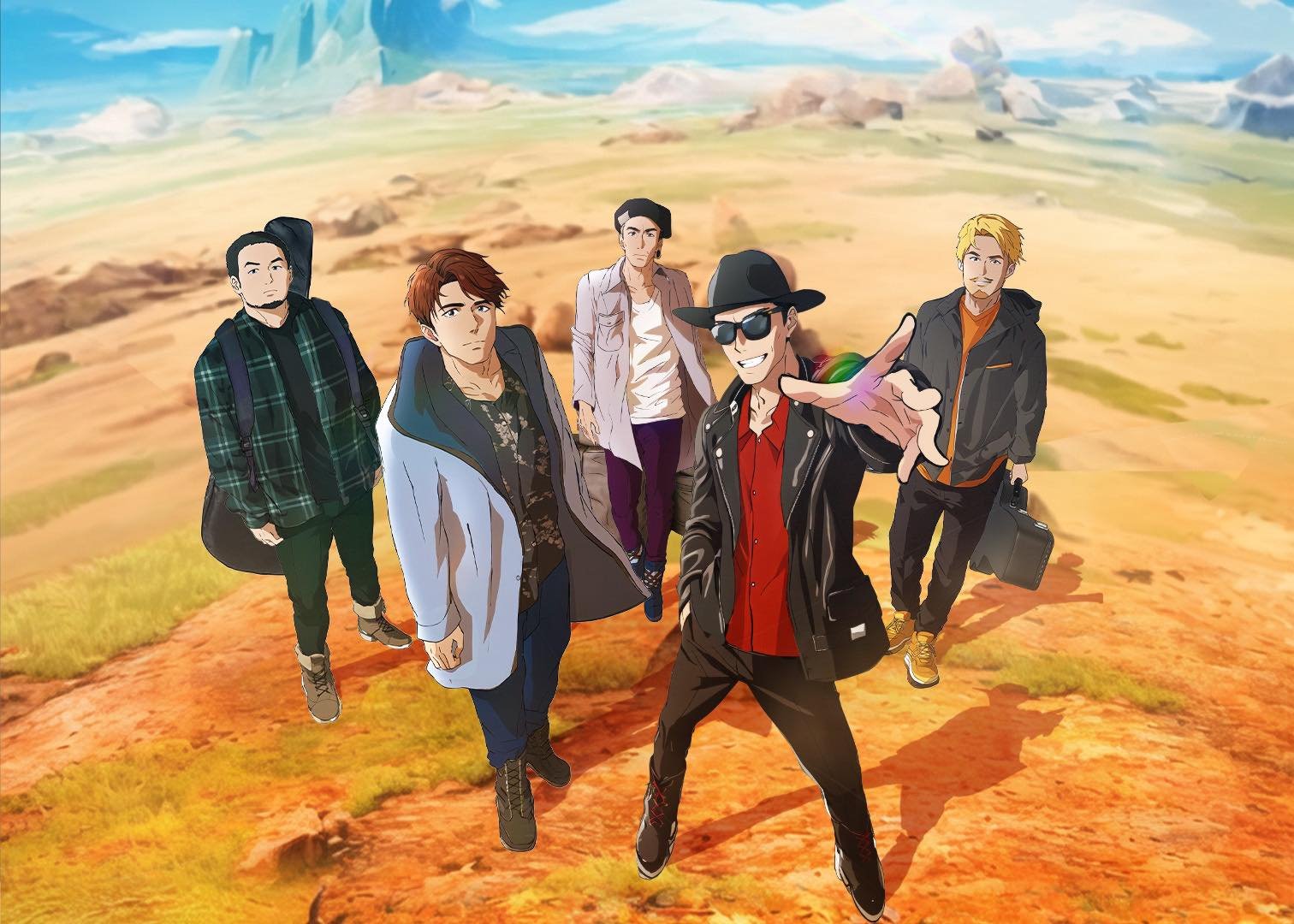
Fresh from their 20th anniversary, FLOW will be playing an anime song ONLY concert all around the world! After debuting in 2003, FLOW has an established reputation for hit anime works, including themes for anime series Naruto (“GO!!!,” many others), opening themes for Code Geass: Lelouch of the Rebellion (“COLORS,” “WORLD END”), and the opening theme for Tales of Zestiria the Cross (“Kaze no Uta”). They have written songs for numerous other anime works as well. Since 2006 they have been active playing shows not only in Japan but overseas, performing over 60 live performances in 19 countries in Asia, North America, South America, Europe, and the Middle East, transcending borders as a live band. Heavily streamed, their song “Sign” for the opening of Naruto Shippuden has been played over 120 million times worldwide on Spotify.
Read MoreJQ Magazine: Nippon in New York – Kurosawa, JAPAN CUTS, AniTOMO Con
Art, Article/Journalism, Celebrity, Events, Film, JQ Magazine, Music Comments Off on JQ Magazine: Nippon in New York – Kurosawa, JAPAN CUTS, AniTOMO Con
By JQ magazine editor Justin Tedaldi (CIR Kobe-shi, 2001-02). Justin has written about Japanese arts and entertainment for JETAA since 2005. For more of his articles, click here.
After the outdoor fireworks, enjoy some summer events in the cool indoors, whether it’s taking in North America’s largest annual Japanese film festival, checking out a Kurosawa or Studio Ghibli classic, or enjoying an anime con, Brooklyn-style!
This month’s highlights include:
July 5-18
Akira Kurosawa’s Seven Samurai
Film Forum, 209 West Houston Street
$11 members, $17 general
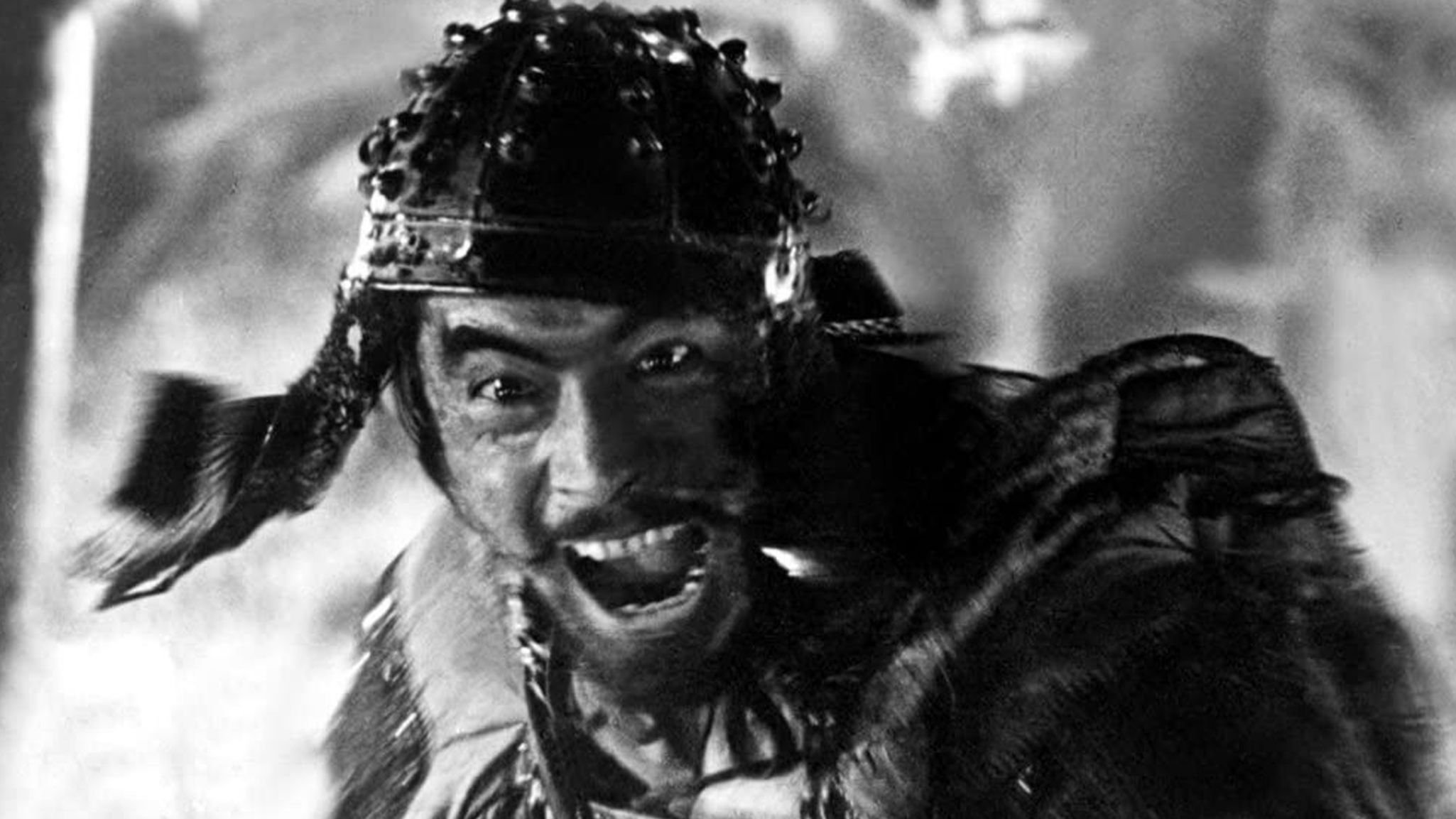
The epic 1954 masterpiece returns to the big screen, remastered for the very first time in 4K by Toho! In 16th century Japan, as proud samurai end up as masterless, wandering ronin and farmers are terrorized by marauding bandits, a village patriarch counsels resistance. How? Hire samurai, “hungry samurai.” Under the calm leadership of Takashi Shimura (Kurosawa regular and Ikiru and Godzilla star), that magic number enlist for a war against 40 mounted bandits, winding up at the most hair-raising battle ever filmed. One of the most influential films of all time, but nothing can top the original: Kurosawa’s orchestration of swords, spears, arrows, men, horses, rain, wind, and mud; blazing tracking shots; giant close ups; chiaroscuro lighting; telephoto lenses that put us underfoot as horses crash amid struggling men; deep focus shots that render the tip of a sword poking into the lens equally clear with scurrying figures fifty feet away, transitions that effortlessly whip us from scene to scene; and ensemble performances that give three dimensionality to every character, topped by Toshiro Mifune’s eventual transition from manic goofball to tortured, self-hating tragic hero. Voted in the 1979 Kinema Junpo critics poll as the Best Japanese Film ever.
July 10-21
Japan Society, 333 East 47th Street
$5-$25, based on film category/event
North America’s largest festival of contemporary Japanese film returns for its 17th year this summer at Japan Society! Join us July 10-21 for 30+ curated films from across Japan featuring major blockbusters, indie darlings, up-and-coming filmmakers, restorations, documentaries, experimental and short films, and anime. JAPAN CUTS is a showcase of the latest in Japanese cinema, featuring both today’s most popular actors and directors as well as tomorrow’s pioneering talent. Become part of our passionate filmgoer community for premieres, parties, and celebrity guests in the heart of America’s biggest city! This year’s festival features three International Premieres, 14 North American Premieres, five U.S. Premieres, three East Coast Premieres and four New York Premieres, plus three parties during the course of the festivities!
“We couldn’t be more amazed by this year’s festival,” says Peter Tatara, Director of Film at Japan Society, who organized this year’s festival with Japan Society Film Programmer Alexander Fee. “This year’s JAPAN CUTS presents an abundance of powerful, engaging and unexpected films together with rare appearances from some of their most imaginative creators. JAPAN CUTS is a reflection of the breadth of Japan’s contemporary film industry, and this year absolutely celebrates the scope and storytelling of what Japanese cinema brings to the world.”
Leading this year’s guests, JAPAN CUTS will present acclaimed actor Mirai Moriyama (Shadow of Fire) with the CUT ABOVE Award for Outstanding Achievement in Film and acting legend Tatsuya Fuji (Great Absence) with a Lifetime Achievement Award! Further guests include directors Gakuryu Ishii (The Box Man), Ema Ryan Yamazaki (The Making of a Japanese), Kei Chika-ura (Great Absence), Masanori Tominaga (Between the White Key and the Black Key), Noriko Yuasa (Performing KAORU’s Funeral), Shinya Tsukamoto (Shadow of Fire), and actress Tomoko Tabata (Moving)! Click here for tickets to all films, and here for the complete list of special guests.
July 13-17
Various locations
Various prices
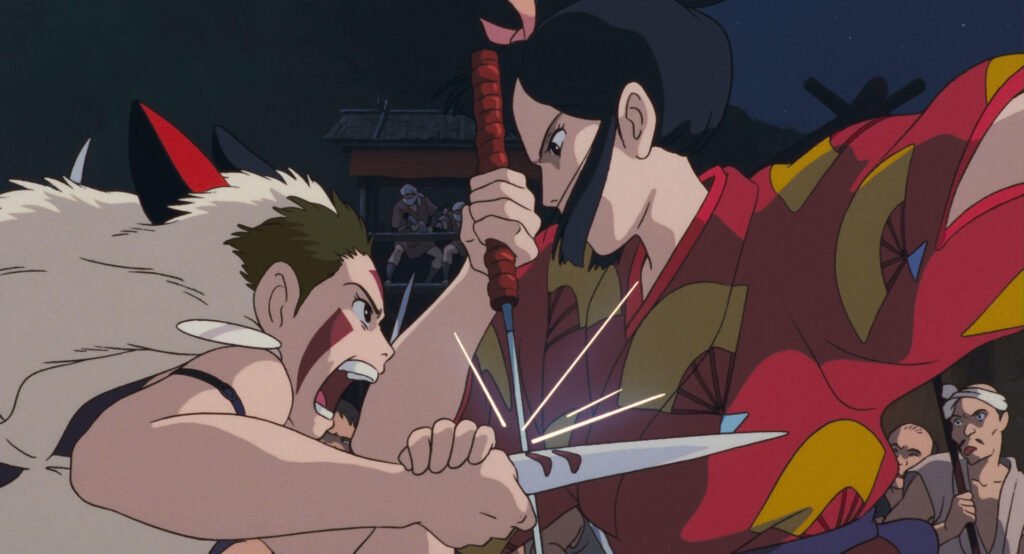
From the legendary Studio Ghibli, creators of Spirited Away, and Academy Award-winning director Hayao Miyazaki comes an epic masterpiece that has dazzled audiences worldwide with its breathtaking imagination, exhilarating battles, and deep humanity. Inflicted with a deadly curse, the young warrior Ashitaka heads west in search of a cure. There, he stumbles into a bitter conflict between Lady Eboshi, the proud people of Iron Town, and the enigmatic Princess Mononoke, a young girl raised by wolves, who will stop at nothing to prevent the humans from destroying her home and the forest spirits and animal gods who live there. The English-language version features the voice talents of Gillian Anderson, Billy Crudup, Claire Danes, Jada Pinkett Smith, and Billy Bob Thornton (July 14 and 16 screenings).
Read MoreJQ Magazine: Nippon in New York — Miike’s Latest, Miku Expo, ‘Katsura Sunshine’s Rakugo’
Article/Journalism, Events, Film, Food & Drink, JQ Magazine, Music Comments Off on JQ Magazine: Nippon in New York — Miike’s Latest, Miku Expo, ‘Katsura Sunshine’s Rakugo’
By JQ magazine editor Justin Tedaldi (CIR Kobe-shi, 2001-02). Justin has written about Japanese arts and entertainment for JETAA since 2005. For more of his articles, click here.
As spring continues and the weather continues to warm, New Yorkers can enjoy activities all over the city both indoors and out.
This month’s highlights include:
Courtesy of Sideshow/Janus Films
April 26-30 and May 3-16
Hamaguchi I & II and Evil Does Not Exist
Walter Reade Theater, 165 West 65th Street
Elinor Bunim Munroe Film Center, 144 West 65th Street
$12-$17
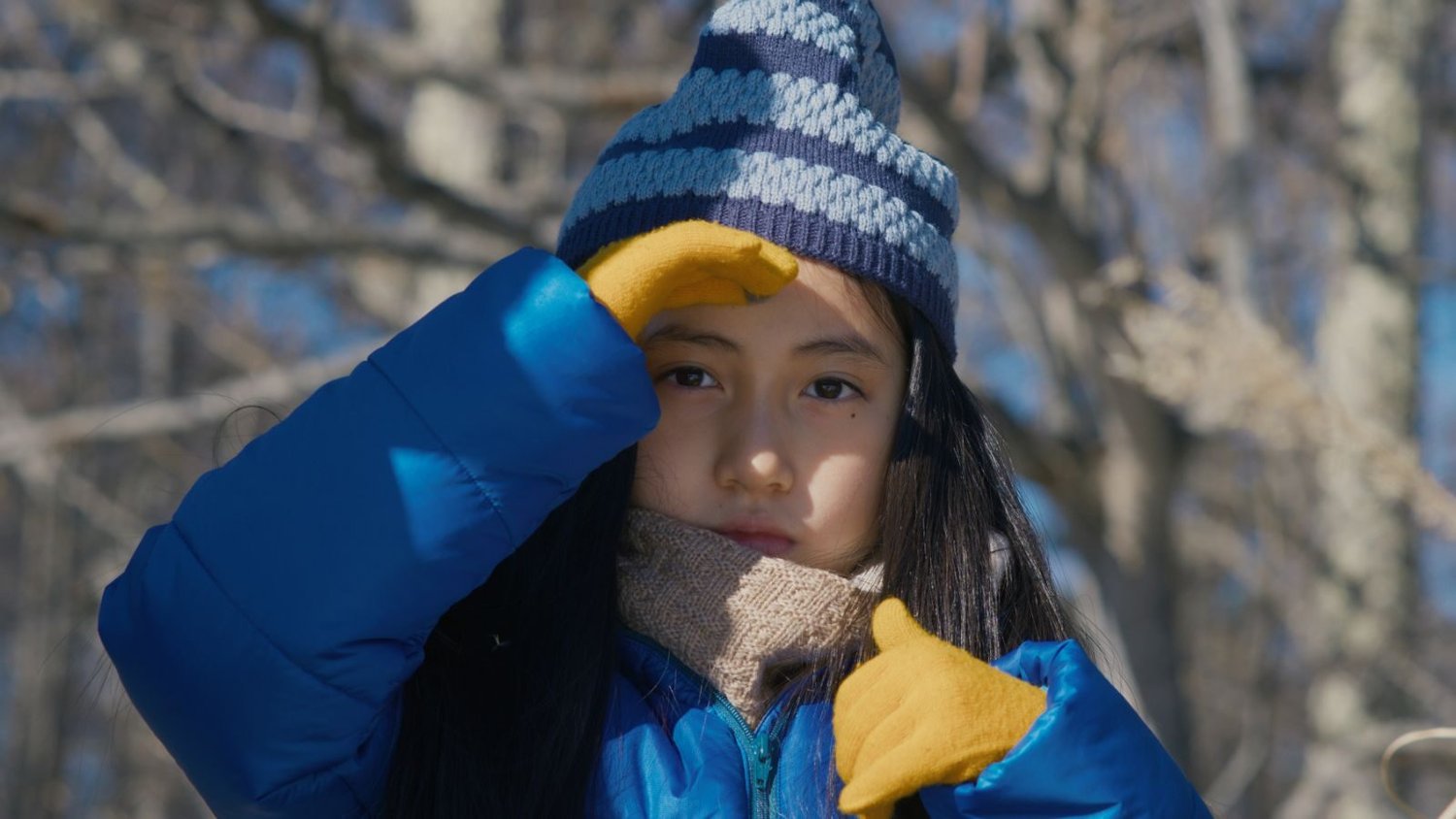
Evil Does Not Exist: Deep in the forest of the small rural village Harasawa, single parent Takumi lives with his young daughter, Hana, and takes care of odd jobs for locals, chopping wood and hauling pristine well water. The overpowering serenity of this untouched land of mountains and lakes, where deer peacefully roam free, is about to be disrupted by the imminent arrival of the Tokyo company Playmode, which is ready to start construction on a glamping site for city tourists—a plan, which Takumi and his neighbors discover, that will have dire consequences for the ecological health and cleanliness of their community. The potent and foreboding new film from Oscar-winning director Ryûsuke Hamaguchi (Drive My Car and Wheel of Fortune and Fantasy, both NYFF59) is a haunting, entirely unexpected cinematic experience that reconstitutes the boundaries of the ecopolitical thriller. Intensified by a rapturous, ominous score by Eiko Ishibashi, this mesmeric journey diverges from country-vs-city themes to straddle the line between the earthy and the metaphysical. Presented in Japanese with English subtitles. Q&A with Ryûsuke Hamaguchi and Eiko Ishibashi on May 3 at 6 p.m. screening. Don’t miss Hamaguchi I & II, a selected retrospective of Ryûsuke Hamaguchi’s films to be presented at FLC from April 26–30.
© 1983 Argos Films
Wednesday, May 1, 7:00 p.m.
The Film Desk Presents: Sans Soleil
Japan Society, 333 East 47th Street
$8-$16
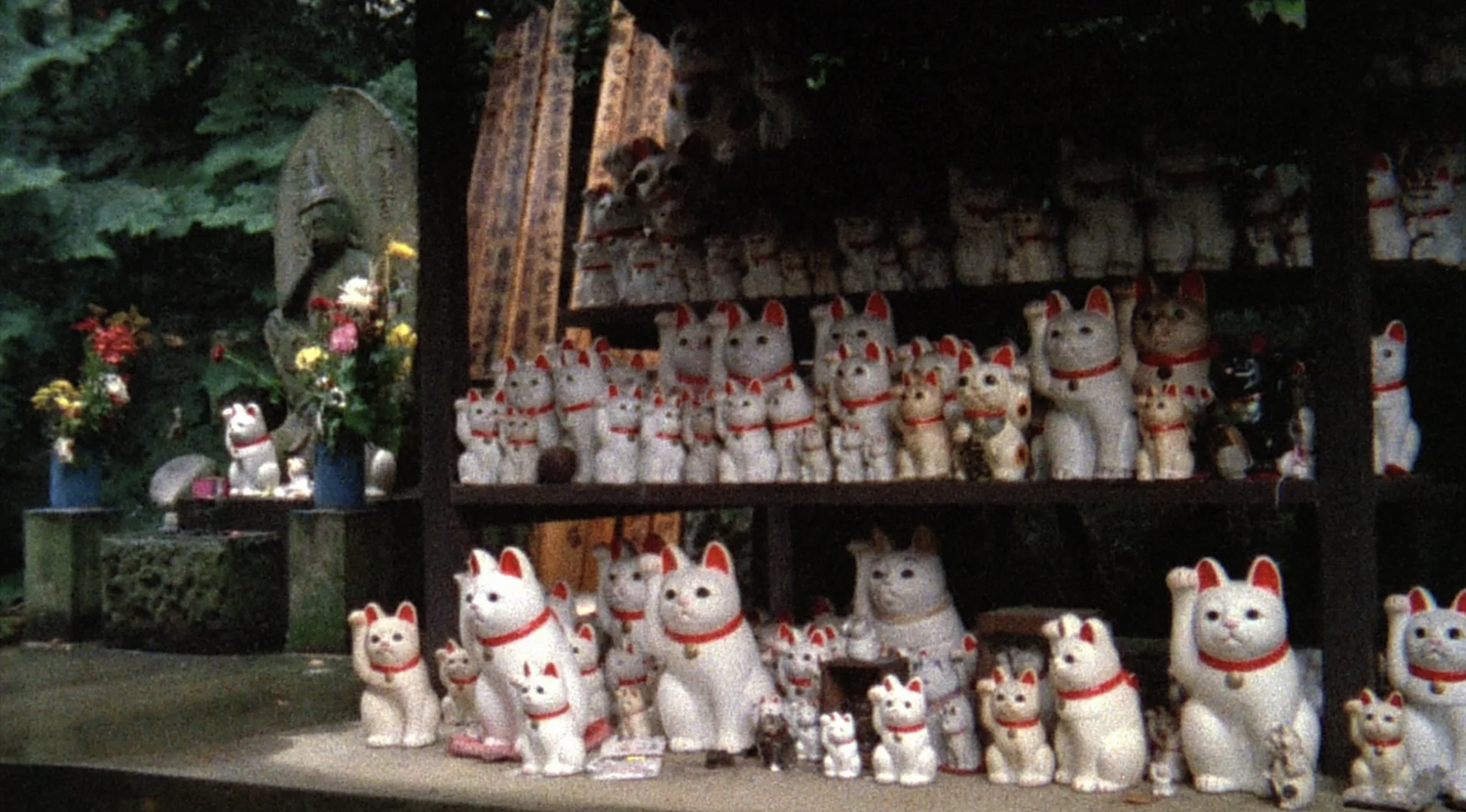
Imported 35mm print! Driven by a desire to “capture life in the process of becoming history,” the enigmatic and influential French filmmaker Chris Marker travelled the globe and made a sprawling body of hybrid work that ruminates on the nature of memory and time. Of the several films he made in Japan (where, among the crowded drinking holes of Shinjuku’s “Golden Gai” district, there is a bar named after one of his early masterpieces), this singular essay film remains the late director’s greatest achievement. An unnamed woman narrates the poetic letters and philosophical reflections of an invisible world traveler accompanied by footage of Guinea-Bissau, Cape Verde, Iceland, Paris, San Francisco and, most significantly, Tokyo—a city whose people, streets, malls and temples inspire the traveler’s richest observations.
Courtesy of Eventbrite
Saturday, May 4, 7:30 p.m.
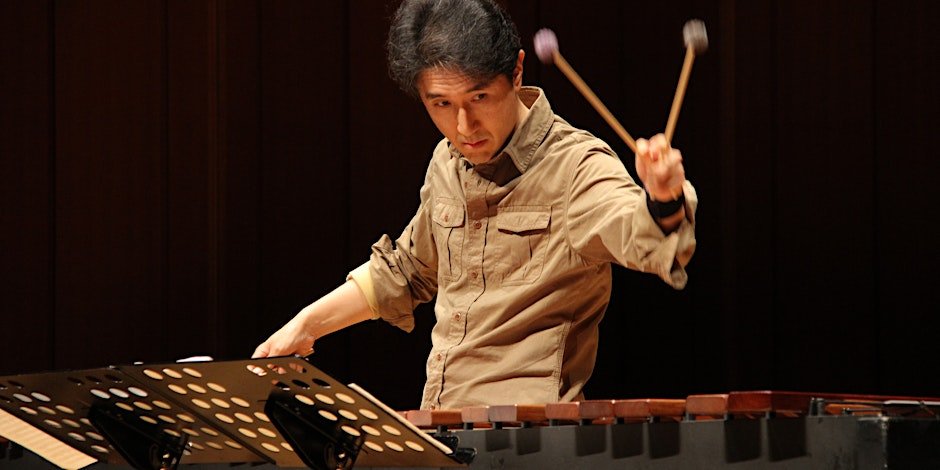
Marimba Extraordinaire Makoto Nakura at 60 – A Retrospective
The Church-in-the-Gardens, 50 Ascan Avenue (Queens)
$10 students, $20 general admission/adult
Makoto Nakura started building his distinctive career as a marimbist as soon as he arrived in NYC from Japan 30 years ago. This concert shows his journey through the works which he has commissioned along the way. Featuring Barbara Podgurski on piano, these works from today’s leading composers showcase the expressive possibilities of the marimba…expressive possibilities that keep expanding under Makoto’s ever-growing collection of mallets! You are sure to have a great time not only hearing extraordinary music, but also meeting this extraordinary artist and human being who always gives his audience an incredible show. Don’t forget to wish him a happy 60th birthday if you attend!
Read MoreJQ Magazine: Nippon in New York — ‘SPY x FAMILY’ Movie, The Joy of Sake, World Championship Sumo
Art, Article/Journalism, Events, Film, JQ Magazine, Music Comments Off on JQ Magazine: Nippon in New York — ‘SPY x FAMILY’ Movie, The Joy of Sake, World Championship Sumo
By JQ magazine editor Justin Tedaldi (CIR Kobe-shi, 2001-02). Justin has written about Japanese arts and entertainment for JETAA since 2005. For more of his articles, click here.
Spring has sprung in the Big Apple, and that means one thing: a new season of sounds, colors, and spectacular performing arts to match the blossoming sakura trees throughout the city.
This month’s highlights include:
Now through June 2
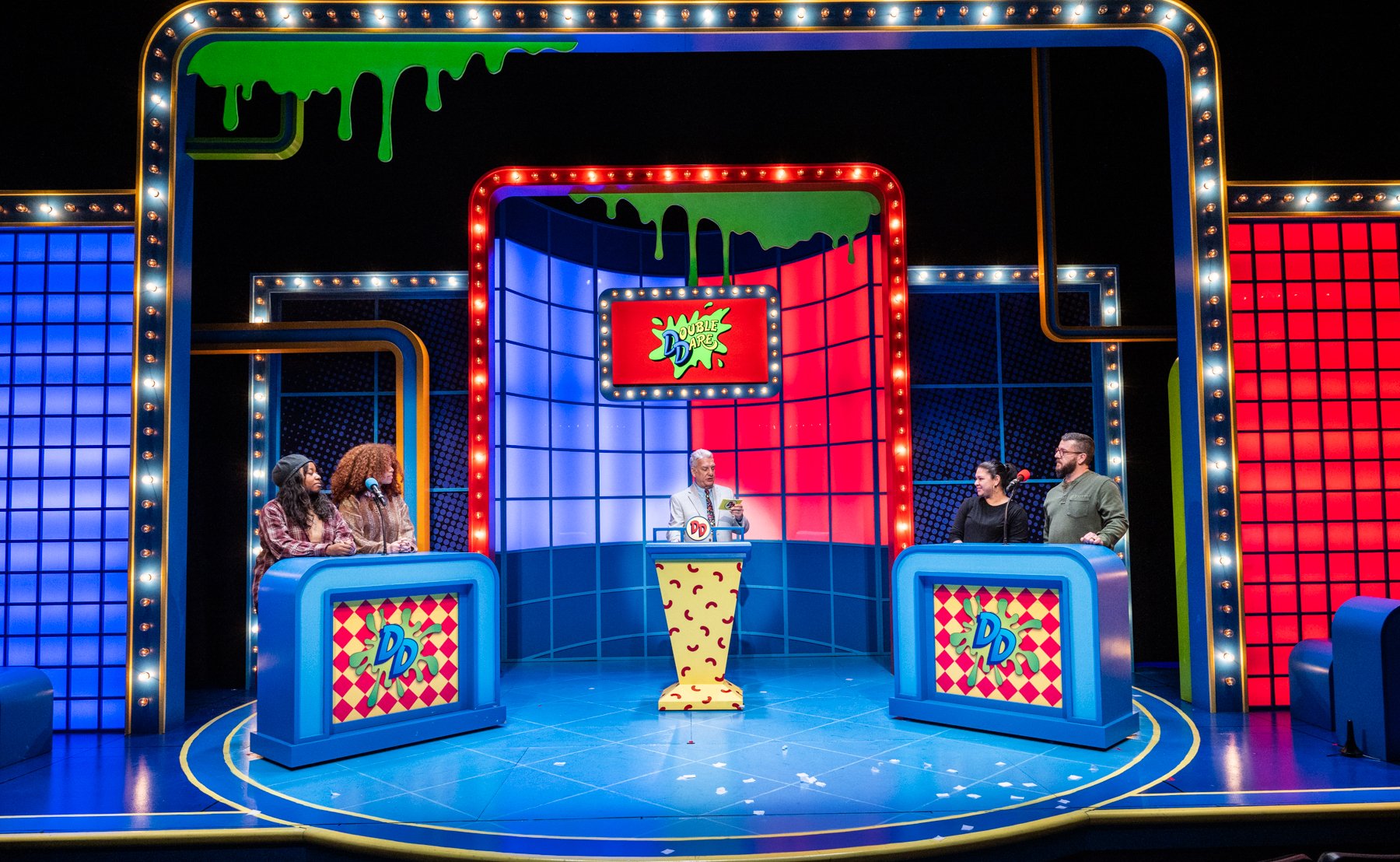
The Life and Slimes of Marc Summers
New World Stages, 340 West 50th Street
$39-$149 reserved seats, $299 VIP with meet-and-greet, front seats and gift bag
On your mark! Get set! Go! to this one-of-a-kind intimate theatrical adventure that will leave you inspired, hopeful and feeling like a kid again. Marc Summers, the host of internationally renowned shows like Nickelodeon’s Double Dare and Food Network’s Unwrapped, tells all about his extraordinary life in this part game show-part memoir-all heart theatrical adventure which the New York Times calls “as satisfying as riding down a spiraling slide into a giant ice-cream sundae.”Written by Alex Brightman and directed by Chad Rabinovitz, the creative team includes original music by Drew Gasparini and co-sound design by David Sheehan and Hidenori Nakajo.
Tuesday, April 2, 8:00 p.m.
Sony Hall, 235 West 46th Street
$35 standing room only, $55 VIP reserved seating
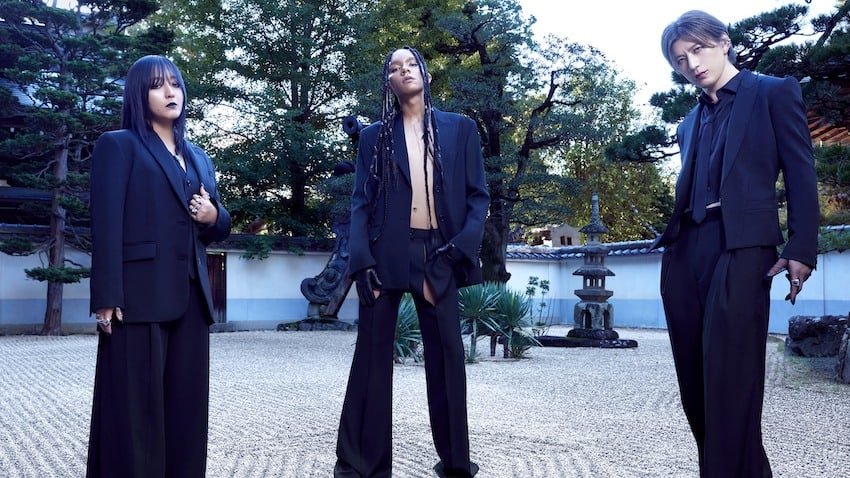
Queen Bee is a band from Japan formed in 2009. With their unique and intense performances and newsworthy activities in various fields, they have created abuzz not only in the music industry but also in various other fields. Their songs rank high on music charts, and their live shows are sold out in in many places, boasting an overwhelming presence in terms of both popularity and ability. Their songs have also been used for popular anime such as “Mephisto,” the ending theme for the anime OSHI NO KO and “01,” the opening theme for the anime UNDEAD UNLUCK and “VIOLENCE,” the ending theme for the anime Chainsaw Man and “Kaen (Fire),” the opening theme for the anime Dororo and “HALF,” the ending theme for the anime Tokyo Ghoul:re. A statement provided by the band exclaims: “Queen Bee’s first performance in New York! I can’t wait to cause a frenzy across languages and borders. You may have heard of us from anime, or maybe from our attitude or world view. I promise you it will be an extraordinary night in New York, that will make you want to celebrate our meeting.”
Monday, April 8, 8:00 p.m.
Sony Hall, 235 West 46th Street
$35 GA seating, $75 VIP reserved seating
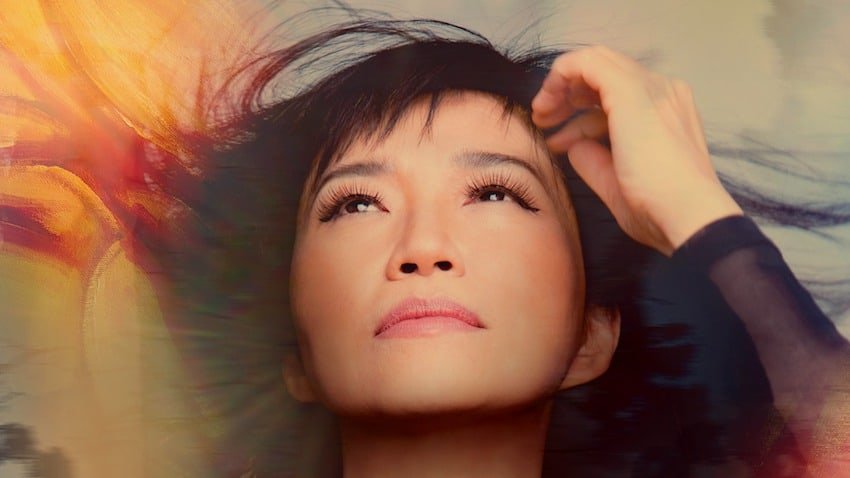
“This album is about the hope that we all carry inside of us,” shares internationally acclaimed pianist, composer and humanitarian, Keiko Matsui, who has worked with everyone from Miles Davis, Stevie Wonder, Bob James, and Hugh Masekela. “I have this dream where we can each cherish our own happiness and learn to accept and care for one another.” There is a reason why the stunning, soft-spoken, and petite powerhouse with such a commanding presence at the piano has amassed a devout following through the years. “When I tour around the world and witness how my music cuts through our differences and connects everyone, it makes me feel euphoric!” exclaims Keiko, who harnesses this joy on her 30th recording Euphoria. She enlists an all-star contingency of special guests including vocalist, and daughter of Donny Hathaway, Lalah Hathaway, trumpeter Randy Brecker, guitarist Mike Stern, saxophonist Kirk Whalum, vibist Joel Ross, harmonica player Grégoire Maret and pianist/arranger John Beasley. Keiko concludes, “During the past few years, I have witnessed the loss of life and seen people’s sadness and it has been really painful, but it has helped to remind me of the precious gift of time and the importance of gratitude for what I have now,” confides Keiko.” “Euphoria is my gift to my fans around the world.”
Read More