




Job: CSI seeks bilingual location support professional (Nagoya)
 Jobs, Translating/Interpreting
  Comments Off on Job: CSI seeks bilingual location support professional (Nagoya)
Via JET alum Roy Harrison of the JETAA Bluegrass subchapter:
Another job listing from CSI, a JET alum-run company based in Kentucky. (See previousJETwit post about CSI.)
Bilingual Location Support Professional
We’re looking for a full-time bilingual location service professional with a great attitude, in-depth knowledge of office procedures, dogged persistence, expert communication skills, and the utmost discretion. From Japanese language instruction to supporting ex-pats living in the Nagoya/Toyota area, our ideal candidate will be committed to doing whatever it takes to make sure clients are successful abroad. As a facilitator of efficient and productive communication, you should be able to work both independently and as part of a team.
You’ll need a hands-on understanding of Nagoya/Toyota in order to provide the highest quality assistance. Some experience in negotiating real estate terms in Japan is beneficial. You need to be proficient in typical office software packages, have proven strong organizational skills, and be enthusiastic about working across cultural boundaries. The successful candidate will be working in a fast-paced environment with a varied workload, so we need a quick learner and great communicator who works well under pressure while being able to discern the forest from the trees.
If you’re a consummate professional with a passion for communication and a love of challenges, come join our successful team. Send a cover letter and résumé to hr@csi-ky.com.
Consultant Solutions, Inc. is an Equal Opportunity Employer. We will provide training and a support network. We will also consider relocation and/or visa support for the right candidate.
WIT Life #170: Super Cool Biz
Earthquake Tsunami, Translating/Interpreting, WIT Life, Writers Comments Off on WIT Life #170: Super Cool Biz
WITLife is a periodic series written by professional Writer/Interpreter/Translator Stacy Smith (Kumamoto-ken CIR, 2000-03). She starts her day by watching Fujisankei’s newscast in Japanese, and here she shares some of the interesting tidbits and trends together with her own observations.
Newspaper articles from this week have highlighted Japan’s handling of energy challenges in the wake of the earthquake and tsunami, and subsequently damaged nuclear power plants. The first from the Wall Street Journal talks about the development of a new summer style called “Super Cool Biz” in response to a government decree to conserve electricity (節電 or setsuden) by 15%, or setting workplace temperatures to 82 degrees!
This new effort builds on the previous “cool biz” campaign, but takes it a step further by Read More
WIT Life #169: Happy Doll Fundraiser
Events, Film, Translating/Interpreting, Uncategorized, WIT Life, Writers Comments Off on WIT Life #169: Happy Doll Fundraiser

“Return on JET-vestment“ is the term I’ve been using (along with “JET ROI“) to connote the “return on investment” that JET and JETAA have been providing for Japan in various ways, both directly and indirectly. And it’s now particularly important for us to demonstrate Return on JET-vestment to the Japanese government and taxpayers, particularly at the prefecture and local government levels as those are the ones making the decisions as to whether to hire JETs or some other form of ALTs (e.g., dispatch companies).
Translation Challenge:
What’s the best way to convey “Return on JET-vestment” in Japanese?
Please post in the comments section below or e-mail to jetwit [at] jetwit.com. (Commentary and thoughts on the translation is welcome as well.)
Yoroshiku!
WIT Life #168: Sake Guy John Gauntner
Events, Food & Drink, Translating/Interpreting, Uncategorized, WIT Life, Writers Comments Off on WIT Life #168: Sake Guy John Gauntner
WITLife is a periodic series written by professional Writer/Interpreter/Translator Stacy Smith (Kumamoto-ken CIR, 2000-03). She starts her day by watching Fujisankei’s newscast in Japanese, and here she shares some of the interesting tidbits and trends together with her own observations.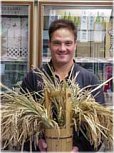
Last night I had the chance to brush up on my sake skills at the sold out sake tasting event Back to Basics held at Japan Society. It was led by former JET John Gauntner, known as the world’s leading non-Japanese sake expert. He currently lives in Kamakura, and is well known among sake brewers and others within the industry as the window to making sake popular outside of Japan. His presentation gave a comprehensive overview of sake in less than an hour, presenting the audience with the essentials in easy to remember sound bites. His enthusiastic employment of the phrase “Absolutely!” in punctuating the rhetorical questions that he posed to himself had a particularly great impact.
We learned that translating sake as “rice wine” is a misnomer, as it is brewed in a way more similar to beer. Gauntner discussed how sake is one of the few products in the world that is Read More
WIT Life #167: Japan and War as Seen Through the Lens of Film
Art, Events, Film, Translating/Interpreting, Uncategorized, WIT Life, Writers Comments Off on WIT Life #167: Japan and War as Seen Through the Lens of Film
WITLife is a periodic series written by professional Writer/Interpreter/Translator Stacy Smith (Kumamoto-ken CIR, 2000-03). She starts her day by watching Fujisankei’s newscast in Japanese, and here she shares some of the interesting tidbits and trends together with her own observations.
Recently I had the chance to see two films from 2010 that examine the issue of Japan and war. One was Anpo: Art x War which was screened at Columbia University last week, and the other is Caterpillar currently being shown at the IFC Center through this Thursday. The former is a documentary directed and produced by Linda Hoaglund, and the latter is a film made by the director Koji Wakamatsu of United Red Army fame (shown at Japan Society a few years ago and coming to IFC later this month).
Anpo uses a mixture of paintings, photos, anime, films and music by Japanese artists to Read More
Sankei Shimbun article about Taylor Anderson
Article/Journalism, Earthquake Tsunami, JETs in the News, Translating/Interpreting Comments Off on Sankei Shimbun article about Taylor Anderson
Thanks to JETAA Music City President Terry Vo for sharing this an very moving article (in Japanese) written by Yoshihisa Komori about Taylor Anderson. Komori-san went to visit Taylor’s parents for the interview.
Update 05/10/11: Thanks to Jo McCarthy (Shimane-ken, Okuizumo-cho) of the JET Alum Translators/Interpreters group on LinkedIn for providing an English translation.
“The death of a woman who loved Ishinomaki”
by Yoshihisa Komori; translated by Jo McCarthy (Shimane-ken, Okuizumo-cho)
http://sankei.jp.msn.com/world/news/110504/amr11050402570003-n1.htm
I was immediately reminded of the old film “Gone With The Wind.”
This was because the large mansion I arrived at after leaving the extensive lush green woods had white pillars and a porch, which rose elegantly in the traditional style of the southern United States. At the rear of the residence, the green gently sloping gardens extended as far as the James River.
Why, I wondered, would a young American woman who grew up in an environment such as this, be fascinated by the town of Umibe in the Tohoku region of Japan?
This was the house of the parents of Taylor Anderson – the English teacher who was caught in a tsunami in Ishinomaki City, Miyagi Prefecture, following the Great East Japan Earthquake of March 11, and died.
It’s in the quiet hills on the outskirts of Richmond, capital of the state of Virginia.
In the spacious living room Taylor’s father Andy, who manages a real estate company, and her mother Jean, a housewife, (both 53) spoke quietly of their thoughts about their eldest daughter, who was 24 years old.
“Taylor learned Japanese history at elementary and junior high school from the same teacher, and became fascinated by Japan. Her teacher was an American, but they had been brought up in Japan, so also taught our daughter Japanese language and culture. It became our daughter’s dream to live and study in Japan.”
“Taylor liked Japanese anime and the novels of Haruki Murakami,” Andy adds to Jean’s explanation. “She seemed to love the elegance and subtleness of Japanese culture. And also often said she really liked the settled order and politeness, a unique character of Japanese society.”
Soon after graduating university, Taylor applied for and was accepted on the JET Program (a program open to foreign youth), and in the summer of 2008 moved to Ishinomaki. She taught English at 7 elementary schools in Ishinomaki, and the story of how she was loved by her students has even been reported in detail in this newspaper.
On the day of the earthquake, after ensuring that her students had been picked up by their caregivers, Taylor was heading home as usual on her bicycle.
However, Taylor went missing.
Her parents desperately made contact with a number of people in Japan. They heard she had been reported as having been found safe, but were unable to confirm it. Andy decided to go and search for Taylor with her boyfriend James.
On the day of their departure, March 21, about 2 hours before they planned to leave for the airport, they received news from the US Embassy in Tokyo that her body had been positively identified.
“It feels as though Taylor’s death has opened a hole in our hearts. But she would not want that for her parents. She was a person who always looked positively to the future, and made things enjoyable just by being there”.
As the first tears began to fall, Jean told how Taylor had planned to return to the US in August this year to get engaged to James, and to either start postgraduate study or look for Japan related work.
Well then, wouldn’t it have been better if she had ended her time in Japan after 2 years, and returned home last year?
However, Jean promptly replied “No. I visited Ishinomaki myself for about 5 days in spring last year, and was able to understand completely why my daughter wanted to be there long term. She was happy doing what she most wanted to do.”
The Andersons, in collaboration with their daughter’s alma mater St. Catherine’s High School, have started a foundation named the Taylor Anderson Memorial Fund. So far, around $90,000 has been raised.
In accordance with Taylor’s wishes, all proceeds from the fund will be directed toward the restoration of Ishinomaki City’s elementary and junior high schools.
See below for the foundation’s website.
Translated by Jo McCarthy
【朝刊 1面】 ■【あめりかノート】ワシントン駐在編集特別委員・古森義久
■石巻を愛した女性の死
古い映画の「風と共に去りぬ」を一瞬、連想した。緑豊かな広大な林を抜けて着いた大邸宅
にはいかにもアメリカ南部ふうの伝統的な白い円柱とポーチが優雅にそびえていたからだ。邸宅の裏には緑の庭がジェームズ川の岸までなだらかに延びていた。こんな環境で育った若い米国人女性がなぜ日本の東北の海辺町に魅せられたのかと、いぶかった。
東日本大震災の3月11日、宮城県石巻市で津波に巻き込まれて亡くなった英語教師の
テー ラー・アンダーソンさんの両親が住む家だった。バージニア州の州都リッチモンド郊外の閑静な丘陵である。 不動産会社を経営する父親のアンディさん、専業 主婦の母親のジーンさんはともに53歳、ゆったりとした居間で24歳だった長女、テーラーさんへの思いを穏やかに語った。
「テーラーは小中学校で同じ先生から日本の歴史を学び、日本に魅せられたのです。そ
の先生はアメリカ人ですが、日本で育ち、日本の言葉や文化までを娘に教えてくれました。日本に住んで学ぶことが娘の夢となったのです」
ジーンさんのこんな説明にアンディさんがつけ加える。
「テーラーは日本のアニメや村上春
樹の小説が好きでした。日本の文化の優雅さや繊細さを愛したようです。そして一定の秩序や礼節という日本社会の特徴も大好きだとよく話していました」
テーラーさんは大学卒業後すぐに日本のJETプログラム(外国青年招致事業)に応募して
採用され、2008年夏に石巻に赴任した。石巻では小中学校計7校で英語を教え、生徒たちに愛されていた様子は本紙でも会田聡記者が詳しく報じた。大震災の日も彼女は生徒たちが保護者に引き取られるのを見届けてから、自転車で自宅へ向かったという。
だがテーラーさんは行方不明になった。両親は米国から必死で日本の多方面に問い合わせ
た。 無事でみつかったという情報も流れたが、確認できなかった。アンディさんはテーラーさんの恋人のジェームズさんと捜索に出かけることを決めた。その出発の 日の3月21日、空港へ向かう予定の2時間ほど前に東京の米国大使館からテーラーさんの遺体が確認されたという通報があった。
「テーラーの死で私たちの心は穴があいた感じです。でも彼女自身は両親にそんなことは
望まない。彼女は前向きで明るく、ともにいるだけでこちらが楽しくなる子でした」
ジーンさんは初めて涙をにじませ、テーラーさんが今年8月には米国に帰り、ジェームズさ
んと婚約し、大学院か日本関係の職業を目指すことを決めていたのだと告げた。では日本滞在を2年ですませ、昨年帰国してもよかったのではないか。
だがジーンさんは即座に答えた。 「いいえ、私自身、昨年春に石巻を5日ほど訪れ、娘が
なぜそこに長くいたいか体全体で理解できました。自分が最もしたいことをしていた彼女は幸せだったのです」
アンダーソン夫妻は娘の母校セント・キャサリン高校と協力して「テーラー・アンダーソン追
悼基金」という募金を始めた。これまでに9万ドルほどが集まった。基金は故人の遺志を体してすべて石巻市の小中学校の復旧に充てる。同基金のサイトは以下だという。
WIT Life #166: Monkey Business
Events, Roland Kelts, Translating/Interpreting, WIT Life, Writers Comments Off on WIT Life #166: Monkey Business
WITLife is a periodic series written by professional Writer/Interpreter/Translator Stacy Smith (Kumamoto-ken CIR, 2000-03). She starts her day by watching Fujisankei’s newscast in Japanese, and here she shares some of the interesting tidbits and trends together with her own observations.
Last weekend aside from going to the glorious Sakura Matsuri at the Brooklyn Botanical Garden, I attended a panel discussion at Asia Society about contemporary writing from Japan. I had heard about the event from former JET Roland Kelts, who in addition to publishing books of his own and lecturing at both NYU and Tokyo University, is a contributing editor to the inaugural issue of the English language version of the Tokyo-based literary magazine Monkey Business (currently available for purchase!). The magazine is run by award-winning translator Motoyuki Shibata, who served as editor of the English version along with colleague Ted Goossen.
All three were on hand at this event, which was divided up into the two sections of Read More
Job: Translator (Kentucky)
Jobs, Translating/Interpreting Comments Off on Job: Translator (Kentucky)
Via JET alum Roy Harrison of the JETAA Bluegrass subchapter:
Company: CSI (See past JETwit post about CSI, a company founded by a JET alum)
Job Position: TRANSLATOR
We’re looking for a full-time Japanese-English translator/interpreter to join our growing team in central Kentucky. You’ll be responsible for ensuring that high-quality translations in a deadline-driven environment are delivered to our customers. Your work within our team will breakdown large projects and juggle multiple tasks with competing priorities. Our ideal candidate is familiar with MS-Office and Trados software, flexibly adapts to stressful situations, and is experienced in translating technical material.
If this is you, send your resume to hr@csi-ky.com. EEO, competitive benefits package.
WIT Life #165: 自粛
Translating/Interpreting, WIT Life, Writers Comments Off on WIT Life #165: 自粛
WITLife is a periodic series written by professional Writer/Interpreter/Translator Stacy Smith (Kumamoto-ken CIR, 2000-03). She starts her day by watching Fujisankei’s newscast in Japanese, and here she shares some of the interesting tidbits and trends together with her own observations.
Recently in my work interpreting for Japanese groups and in casual conversations with Japanese friends, certain expressions keep popping up. In my mind, they have become a sort of post-disaster vocabulary, phrases which are unique in their relevance to the aftermath of the earthquake and tsunami which hit Japan on March 11. I would like to discuss one of those words, 自粛 (jishuku), which means self-control or voluntary restraint.
Immediately after the disaster, 自粛 referred to people holding back from going out and enjoying themselves as usual, in order to show respect to the victims and people in the disaster area. Nomikai were postponed, vacations were canceled and people forced themselves to put on somber faces that reflected the seriousness of the tragedy. It became enough of a phenomenon to received the name of 自粛ブーム (self-restraint boom).
However, soon there was a backlash to this movement as seen in Read More
WIT Life #164: More notable Nihonjin
Events, Film, Translating/Interpreting, Uncategorized, WIT Life, Writers Comments Off on WIT Life #164: More notable Nihonjin
WITLife is a periodic series written by professional Writer/Interpreter/Translator Stacy Smith (Kumamoto-ken CIR, 2000-03). She starts her day by watching Fujisankei’s newscast in Japanese, and here she shares some of the interesting tidbits and trends together with her own observations.

Interesting article in the NYT today profiling the new head of the M.I.T Media Lab, a 44-year old Japanese venture capitalist named Joichi Ito. Ironically enough, Ito attended both Tufts and the University of Chicago in the past, but didn’t graduate from either as he didn’t like their learning styles. However, his accomplishments include serving on the board of the Internet governance organization Icann and the Mozilla Foundation, and along the course of his career he has invested in more than 12 start-ups such as Flickr and Twitter. In Japan, he helped establish Read More
WIT Life #163: Two Japanese recognized by Time’s Top 100
Translating/Interpreting, Uncategorized, WIT Life, Writers Comments Off on WIT Life #163: Two Japanese recognized by Time’s Top 100
WITLife is a periodic series written by professional Writer/Interpreter/Translator Stacy Smith (Kumamoto-ken CIR, 2000-03). She starts her day by watching Fujisankei’s newscast in Japanese, and here she shares some of the interesting tidbits and trends together with her own observations.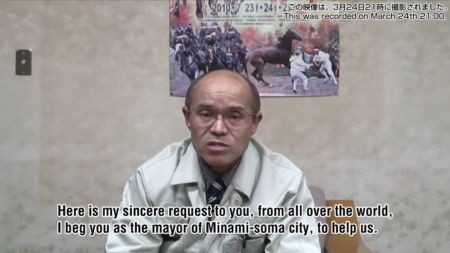
Two Japanese men were selected to be on Time magazine’s annual list of the 100 most influential people worldwide. Both received recognition in regard to their handling of the recent earthquake/tsunami. The first is Mayor Katsunobu Sakurai of Minami Soma, a town 15 miles from the Fukushima nuclear power plant. In an earlier post I highlighted an article about his Read More
WIT Life #162: Japan Tobacco
Translating/Interpreting, Uncategorized, WIT Life, Writers Comments Off on WIT Life #162: Japan Tobacco
WITLife is a periodic series written by professional Writer/Interpreter/Translator Stacy Smith (Kumamoto-ken CIR, 2000-03). She starts her day by watching Fujisankei’s newscast in Japanese, and here she shares some of the interesting tidbits and trends together with her own observations.
My interpreting travels currently take me to Raleigh, NC, once home to a thriving tobacco industry. However, in addition to formerly being a center for textiles and furniture, those days are gone and different sectors have risen to take their place. As the group I am working with is studying economic revital ization, yesterday we visited the American Tobacco Historic District, once home to America’s largest tobacco plant. It has been converted into a multi-functional area which maintains the character of the historic buildings, while at the same time incorporating modern aspects to create a vibrant community of businesses and restaurants (We got to visit the headquarters of Burt’s Bees which is housed there!).
In an interesting incidence of convergence, before heading to the district I read an article in the WSJ about how Japan’s disaster has affected its tobacco industry. It highlights how Read More
WITLife is a periodic series written by professional Writer/Interpreter/Translator Stacy Smith (Kumamoto-ken CIR, 2000-03). She starts her day by watching Fujisankei’s newscast in Japanese, and here she shares some of the interesting tidbits and trends together with her own observations.
I finally had a chance to sort through the pictures from my recent trip to Japan, which brought back many happy memories. I think I found them hard to deal with until now as they represent the demarcation between pre and post quake (I left the day before it hit). But I bit the bullet and looked at them for the first time since my travels, and I felt ok. I tried to think of my friends rebuilding their lives post-disaster and somehow getting by thanks to their hope for the future. As trite as it sounds, at this point they are taking things one day at a time as that is all they can do in the midst of the immense uncertainty that remains.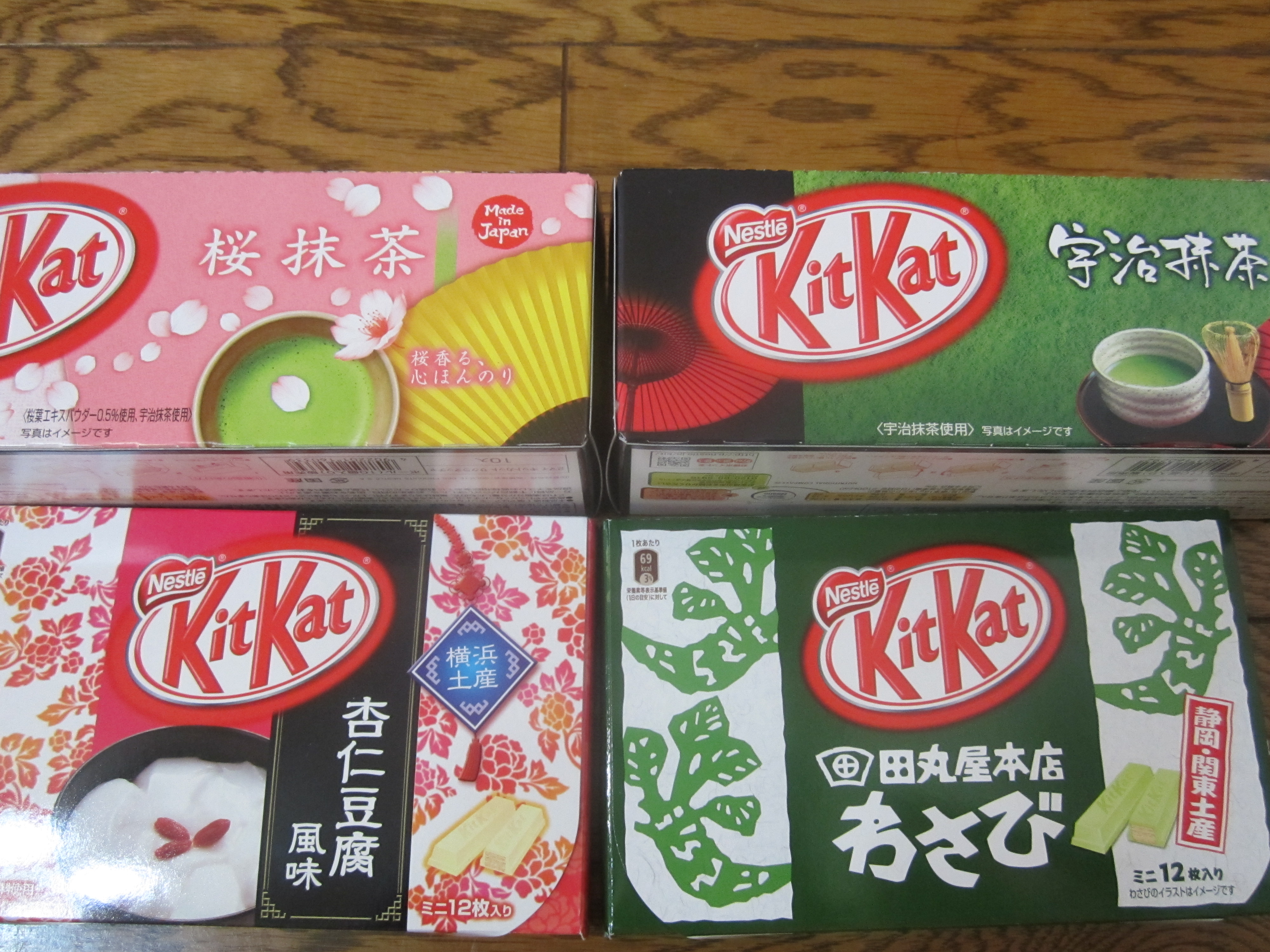
On a lighter note, one of the things that I love to do when I go back to Japan is check out the new flavors of items in konbini and other stores. One brand I am always sure to find is Read More
WIT Life #160: 電気予報
Translating/Interpreting, WIT Life, Writers Comments Off on WIT Life #160: 電気予報
WITLife is a periodic series written by professional Writer/Interpreter/Translator Stacy Smith (Kumamoto-ken CIR, 2000-03). She starts her day by watching Fujisankei’s newscast in Japanese, and here she shares some of the interesting tidbits and trends together with her own observations.
The title of this post is not a misprint; I purposely typed 電気予報 (denki yohou or electricity report), not 天気予報 (tenki yohou, or weather report). According to this morning’s news, in order to deal with the expected uptick in electricity usage during the summer months, there is a proposal being floated around of providing electricity news via TV and radio periodically throughout the day. The purpose is twofold: to try and decrease mandatory blackouts and increase awareness of energy conservation. These reports would include forecasts of supply and demand in specific areas, as well as directions regarding usage. This is an interesting concept, and certainly not foreign for a country whose news regularly provides Read More
