




I’ll Make It Myself!: White Bread: A Social History of the Store-Bought Loaf
 Blogs, Food & Drink, I'll Make It Myself, Writers
  Comments Off on I’ll Make It Myself!: White Bread: A Social History of the Store-Bought Loaf
L.M. Zoller (CIR Ishikawa-ken, Anamizu, 2009-11) is the editor of The Ishikawa JET Kitchen: Cooking in Japan Without a Fight. Ze works in international student exchange; writes I’ll Make It Myself!, a blog about food culture in Japan and the US; curates The Rice Cooker Chronicles, a series of essays by JETs and JET alumni on the theme of cooking/eating and being alone in Japan; and admins The JET Alumni Culinary Group on LinkedIn.
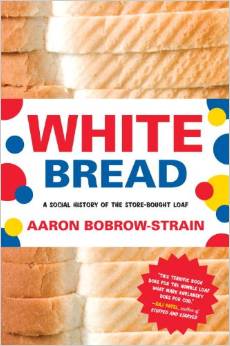
White Bread: A Social History of the Store-Bought Loaf
Aaron Bobrow-Strain
Beacon Press, Boston. 2012
For those interested in food history and culture, White Bread: A Social History of the Store-Bought Loaf, which mainly deals with US bread culture, also covers the rise of shokupan (食パン) in Japan, specifically how SCAP tried to use bread and other “democratic” pastimes (kissing in films, for example) to “break” Japan of its “imperialist notions.”
Although Bobrow-Strain isn’t a Japan specialist, his careful treatment of Japanese food culture and its globalization is a welcome change from mainstream media’s obsession with wacky Japan and even NPR’s weirdly one-sided articles.
I’ll Make It Myself!: Whole-Wheat Pitas (Bread Revolution Series)
Blogs, Food & Drink, I'll Make It Myself, Writers Comments Off on I’ll Make It Myself!: Whole-Wheat Pitas (Bread Revolution Series)
L.M. Zoller (CIR Ishikawa-ken, Anamizu, 2009-11) is the editor of The Ishikawa JET Kitchen: Cooking in Japan Without a Fight. A writer and web administrator for The Art of Japan: Kanazawa and Discover Kanazawa, ze also writes I’ll Make It Myself!, a blog about food culture in Japan, and curates The Rice Cooker Chronicles, a series of essays by JETs and JET alumni on the theme of cooking/eating and being alone in Japan.
New Rice Cooker Chronicles submissions always welcome. Just e-mail it to jetwit [at] jetwit.com.

More Bread Revolution and Guide to Flour.
“Pita pockets” didn’t excite me as a kid. Toted as a kid-friendly food, the charm of stuffing sandwich fillings into a bread with a pocket was lost on me. I rediscovered pita–fresh pita–in university at Middle-Eastern diners and as (store-bought) hummus became more mainstream. In Japan, I sometimes bought stacks of pita from the import store, but after preparing for an international cooking lesson, I discovered pita are really simple to make, and more importantly, make a great bread substitute for proper sandwiches in Japan. Save the trip to the import store for chickpeas–you don’t even need to make hummus to go with it!*
I’ll Make It Myself: Flour Tortillas (Bread Revolution Series)
Blogs, Food & Drink, I'll Make It Myself, Writers Comments Off on I’ll Make It Myself: Flour Tortillas (Bread Revolution Series)
L.M. Zoller (CIR Ishikawa-ken, Anamizu, 2009-11) is the editor of The Ishikawa JET Kitchen: Cooking in Japan Without a Fight. A writer and web administrator for The Art of Japan: Kanazawa and Discover Kanazawa, ze also writes I’ll Make It Myself!, a blog about food culture in Japan, and curates The Rice Cooker Chronicles, a series of essays by JETs and JET alumni on the theme of cooking/eating and being alone in Japan.
New Rice Cooker Chronicles submissions always welcome. Just e-mail it to jetwit [at] jetwit.com.
More Bread Revolution and Guide to Flour.
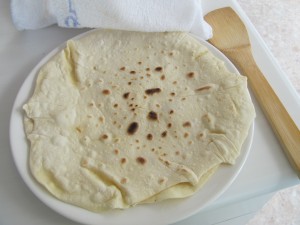
TexMex/Southwestern/Mexican foods were something I purchased from the grocery or at restaurants in the US, missed sorely in Japan, and was convinced I couldn’t make it myself. If I found salsa in a jar, I couldn’t find chips, so what was the point? Avocados weren’t something I could get my town easily, and forget cilantro or jalapeños. I gave up on my dream of enjoying these foods in Japan, but luckily Cheruko didn’t and put together a fantastic fajita spread for an international cooking lesson.
I’ll Make It Myself!: “Bread Revolution: Flour”
Food & Drink, I'll Make It Myself, Writers Comments Off on I’ll Make It Myself!: “Bread Revolution: Flour”
L.M. Zoller (CIR Ishikawa-ken, Anamizu, 2009-11) is the editor of The Ishikawa JET Kitchen: Cooking in Japan Without a Fight. A writer and web administrator for The Art of Japan: Kanazawa and Discover Kanazawa, ze also writes I’ll Make It Myself!, a blog about food culture in Japan, and curates The Rice Cooker Chronicles, a series of essays by JETs and JET alumni on the theme of cooking/eating and being alone in Japan.
New Rice Cooker Chronicles submissions always welcome. Just e-mail it to jetwit [at] jetwit.com.
One of the biggest challenges–and triumphs– for me during these 2.5 years living in Japan has been creating bread products I could easily purchase back in the US: pitas, tortillas, flatbread, pizza dough. I experimented (usually disastrously) with a few things in year 1, namely pizza dough, which was passable but not fantastic, and tea bread, which refused to cook through no matter how I reduced the recipe or what device in which I baked it.

My first success was whole-wheat soda bread. Pizza dough took two years and five different recipes. Tortillas and pitas, which I was stupidly convinced couldn’t be made at home until Cheruko of Hokuriku Expat Kitchen decided they could, turned out to be incredibly simple. I, like many Americans, thought bread-making was some sort of epic process, a choice between hours of kneading and rising and punching dough or investing in a breadmaker that would take up precious storage space. It’s really not that bad. I’ll speak more on this later with each recipe’s time-commitment information, but I full work-time, work out, have an active social life and hobbies, and I still have time for bread-making. The rising time, depending on the recipe, is often ideal for cooking the rest of a meal, enjoying a TV show or book, or even an evening trip to the gym for the longer risers.
So, now that you’re less worried about OMG BREAD, let’s get started on building your expat bread factory. First, we need to have a chat about types of flour.
