




WIT Life #198: Japan’s Economic Woes
 Translating/Interpreting, WIT Life, Writers
  Comments Off on WIT Life #198: Japan’s Economic Woes
WIT Life is a periodic series written by professional Writer/Interpreter/Translator Stacy Smith (Kumamoto-ken CIR, 2000-03). She starts her day by watching Fujisankei’s newscast in Japanese, and here she shares some of the interesting tidbits and trends together with her own observations.
Today’s New York Times features two article regarding Japan’s economic doldrums. The one from Martin Fackler talks about Japan’s decline as a manufacturer, and what direction the new course the country should take will be. The other by Hiroko Tabuchi discusses the fate of one of the manufacturers mentioned in Fackler’s article, Sony. Kazuo Hirai joined as the new CEO at the beginning of this month, and it remains to be seen what path he is planning to take the company on. Many commentators throughout say that Sony has failed to differentiate itself, and the article closes with the quote, “The tarnish on their brand has definitely begun.” Happy reading!
Surviving in Japan: The Ultimate Guide to Reading Food Labels
Advice, Blogs, Food & Drink, Writers Comments Off on Surviving in Japan: The Ultimate Guide to Reading Food Labels
Posted by Ashley Thompson (Shizuoka-ken, 2008-2010) of Surviving in Japan: without much Japanese and Lifelines columnist for The Japan Times.

When I first came to Japan, attempting to read food labels and understand what things were and what was IN what I was buying and eating was a huge obstacle. I could read hiragana, katakana and some kanji, but the majority of the food labels were confusing and I spent extensive amounts of time at the supermarket, smartphone in hand with a Japanese-English dictionary open, trying to decipher ingredients and information. I’d also use the smartphone app, ShinKanji, to search for various kanji and words I couldn’t read.
The work paid off, and though now I can’t read every single Japanese word without consulting a J-E dictionary or looking up certain kanji, I can usually quickly scan most labels to find what I want to know.
A guide to reading food labels in Japan is also one of the most popular post topic requests I’ve received. It’s something most of us struggle with when we first arrive, and I’d imagine even some of those who are fluent may not have known every word or kanji at first. Deciphering Japanese food labels, the entirety of them anyway, isn’t particularly easy, but I’ve attempted to break them down for you here. Note that I have not covered various ingredients aside from common allergens, as that’s something to cover in a separate post (or more than one). This one is already long!
I should note that food labels in Japan aren’t always consistent, as you’ll see below, and although, for example, you’ll usually see information about the total calories, protein, fat, carbohydrates and similar main nutrients, you won’t always see much about other minerals or vitamins (though things like fortified cereals, breads, etc., often list these).
I’ve also tried to include a variety of words you’ll see, but some terms/phrases are worded slightly different, although the meaning is generally the same, e.g., “賞味期限” and “消費期限” both mean “best before; best eaten by” or the expiration date.
Also note that throughout the post I have not broken down kanji and words as I normally do – instead, the vocabulary charts break them down, so please reference the charts for a breakdown. (You can also use the “find” feature on your browser and copy/paste a word you want to see in the chart to find it quickly.)
So let’s get on with it: how do you read food labels in Japan?
— CLICK HERE for the following:
Japanese Food Label Vocabulary Chart
Japanese Nutritional Information Vocabulary Chart
How to Understand the Nutritional Information List on a Food Label
How to Understand the Rest of the Food Label
How to Read Food Labels on Imported Goods
Meat and Seafood Labels
Fruit and Vegetable Labels
Allergy Information on Food Labels
WIT Life #197: DC Sakura Matsuri, Part 2
Art, Food & Drink, Travel/Tourism, WIT Life, Writers Comments Off on WIT Life #197: DC Sakura Matsuri, Part 2
WIT Life is a periodic series written by professional Writer/Interpreter/Translator Stacy Smith (Kumamoto-ken CIR, 2000-03). She starts her day by watching Fujisankei’s newscast in Japanese, and here she shares some of the interesting tidbits and trends together with her own observations.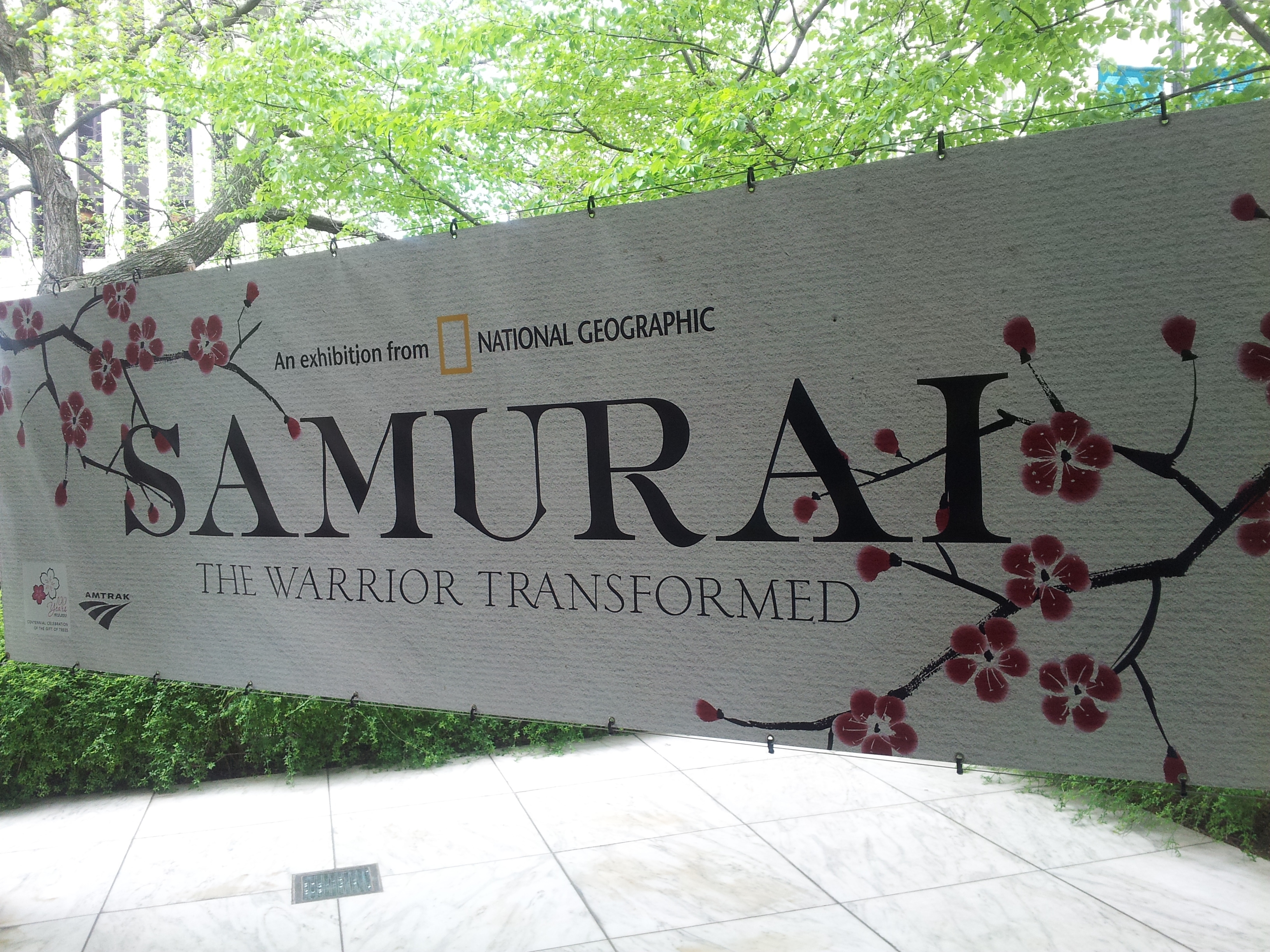
Today is the big parade to celebrate the centennial sakura matsuri, but unfortunately all the blooms are long gone. However, the festival goes through the end of the month, so for those who find themselves in DC there are plenty of Japan-related activities to keep you entertained. I had a chance to sample many of them this week, the first of which I’d recommend being the National Geographic Museum’s samurai exhibit running through early September.
It shares the history of how the now legendary cherry trees made their way to DC, as well as displays unique items such as swords and armor that were gifted from Read More
WIT Life is a periodic series written by professional Writer/Interpreter/Translator Stacy Smith (Kumamoto-ken CIR, 2000-03). She starts her day by watching Fujisankei’s newscast in Japanese, and here she shares some of the interesting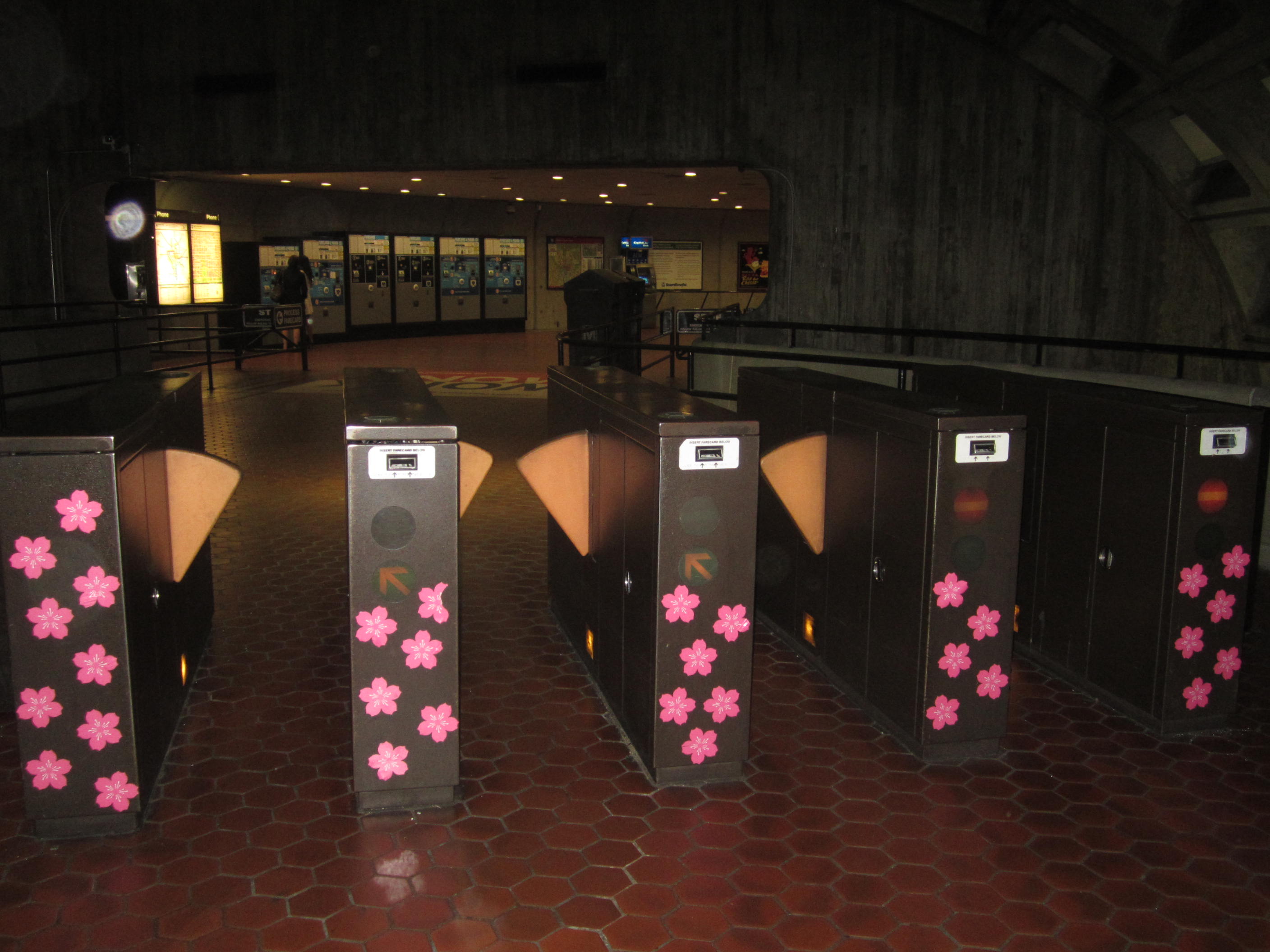 tidbits and trends together with her own observations.
I’m down in DC to begin a new business trip, and was thrilled when I found out my assignment would coincide with the famous Sakura Matsuri. This year is extra special as it marks the 100th anniversary since the 3000+ trees were gifted from Japan to the U.S. Even the Metro gets into the spirit, as you can see with their turnstile decorations. Due to the warm weather it is doubtful that the blossoms will last until the conclusion of the festival at the end of the month, but I’m hoping to do some hanami while I’m here.
On another Japa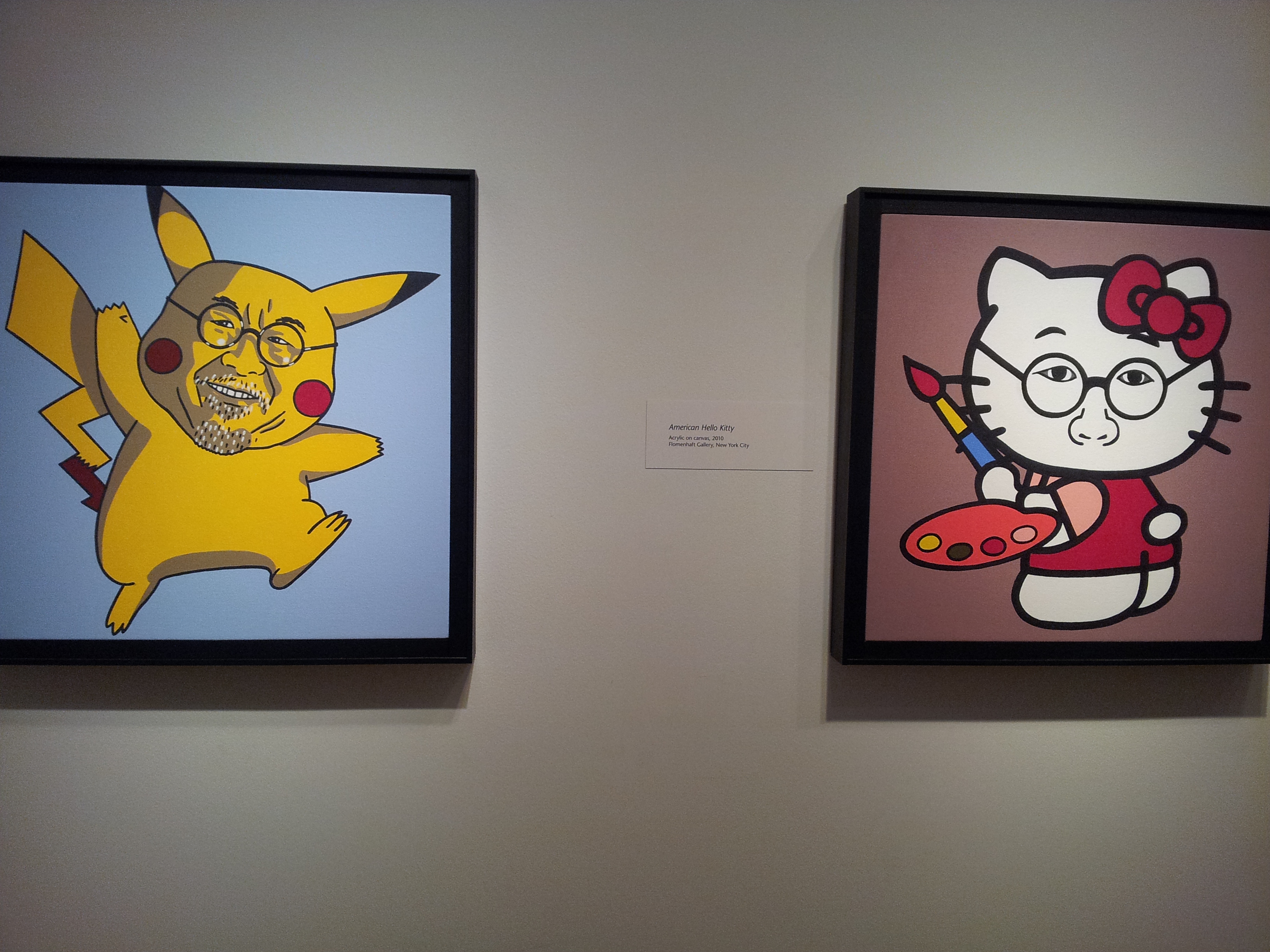 n-related note, today I went to see an interesting exhibit at the National Portrait Gallery entitled “Asian American Portraits of Encounter.” It features several different Asian American artists, including three Japanese. One is Satomi Shirai based in New York, the second is Shizu Saldamando based in California, and the last is Roger Shimomura based in Read More
WIT Life #195: Jiro Dreams of Sushi
Film, Food & Drink, Translating/Interpreting, WIT Life, Writers Comments Off on WIT Life #195: Jiro Dreams of Sushi
WIT Life is a periodic series written by professional Writer/Interpreter/Translator Stacy Smith (Kumamoto-ken CIR, 2000-03). She starts her day by watching Fujisankei’s newscast in Japanese, and here she shares some of the interesting tidbits and trends together with her own observations.
This weekend I finally had the chance to see the much-hyped documentary Jiro Dreams of Sushi. It made a splash at last year’s Tribeca Film Festival and had been on my radar ever since, so I was happy to see it playing at local theaters (currently at IFC Center, Lincoln Plaza Cinema and Kew Gardens Cinema). Director David Gelb is a New Yorker who has loved sushi since he was a kid, and his film faithfully follows 85-year-old sushi chef Jiro Ono, proprietor of the renowned restaurant Sukiyabashi Jiro. Its humble location inside the Ginza subway station belies Read More
I’ll Make It Myself!: “Bread Revolution: Flour”
Food & Drink, I'll Make It Myself, Writers Comments Off on I’ll Make It Myself!: “Bread Revolution: Flour”
L.M. Zoller (CIR Ishikawa-ken, Anamizu, 2009-11) is the editor of The Ishikawa JET Kitchen: Cooking in Japan Without a Fight. A writer and web administrator for The Art of Japan: Kanazawa and Discover Kanazawa, ze also writes I’ll Make It Myself!, a blog about food culture in Japan, and curates The Rice Cooker Chronicles, a series of essays by JETs and JET alumni on the theme of cooking/eating and being alone in Japan.
New Rice Cooker Chronicles submissions always welcome. Just e-mail it to jetwit [at] jetwit.com.
One of the biggest challenges–and triumphs– for me during these 2.5 years living in Japan has been creating bread products I could easily purchase back in the US: pitas, tortillas, flatbread, pizza dough. I experimented (usually disastrously) with a few things in year 1, namely pizza dough, which was passable but not fantastic, and tea bread, which refused to cook through no matter how I reduced the recipe or what device in which I baked it.

My first success was whole-wheat soda bread. Pizza dough took two years and five different recipes. Tortillas and pitas, which I was stupidly convinced couldn’t be made at home until Cheruko of Hokuriku Expat Kitchen decided they could, turned out to be incredibly simple. I, like many Americans, thought bread-making was some sort of epic process, a choice between hours of kneading and rising and punching dough or investing in a breadmaker that would take up precious storage space. It’s really not that bad. I’ll speak more on this later with each recipe’s time-commitment information, but I full work-time, work out, have an active social life and hobbies, and I still have time for bread-making. The rising time, depending on the recipe, is often ideal for cooking the rest of a meal, enjoying a TV show or book, or even an evening trip to the gym for the longer risers.
So, now that you’re less worried about OMG BREAD, let’s get started on building your expat bread factory. First, we need to have a chat about types of flour.
Article: Yamabushi Onsen Yupoka in Tsuruoka
Article/Journalism, Japan Local, Return on JET-vestment, Travel/Tourism, Writers Comments Off on Article: Yamabushi Onsen Yupoka in Tsuruoka
JETAA Philadelphia Subchapter rep Rashaad Jorden wrote the following article for the Japan Tourist website (a great example of JETs helping to promote “local” tourism for Japan):
Most people feel tired after climbing Mount Haguro, one of the Three Mountains of Dewa (also known as Dewa Sanzan). However, a short drive away, Haguro (the village where Mount Haguro is located) offers a nice place where you can relax your body and mind—and have a beer or two.
Yamabushi Onsen Yupoka—better known as simply Yupoka—is a popular gathering spot for locals and some yamabushi, Japan’s mountain ascetics, who come to Dewa Sanzan to embark on a mountain pilgrimage and venerate their deities.
Yupoka is an insider’s tip as there is no mention of the place in the English-language tourism brochure of Haguro but those who find it will be treated to a majestic setting for a dip in hot water, which is what most people come to Yupoka for.
WIT Life #194: L’Arc en Ciel MSG Debut!
Events, Music, Translating/Interpreting, WIT Life, Writers Comments Off on WIT Life #194: L’Arc en Ciel MSG Debut!
WIT Life is a periodic series written by professional Writer/Interpreter/Translator Stacy Smith (Kumamoto-ken CIR, 2000-03). She starts her day by watching Fujisankei’s newscast in Japanese, and here she shares some of the interesting tidbits and trends together with her own observations.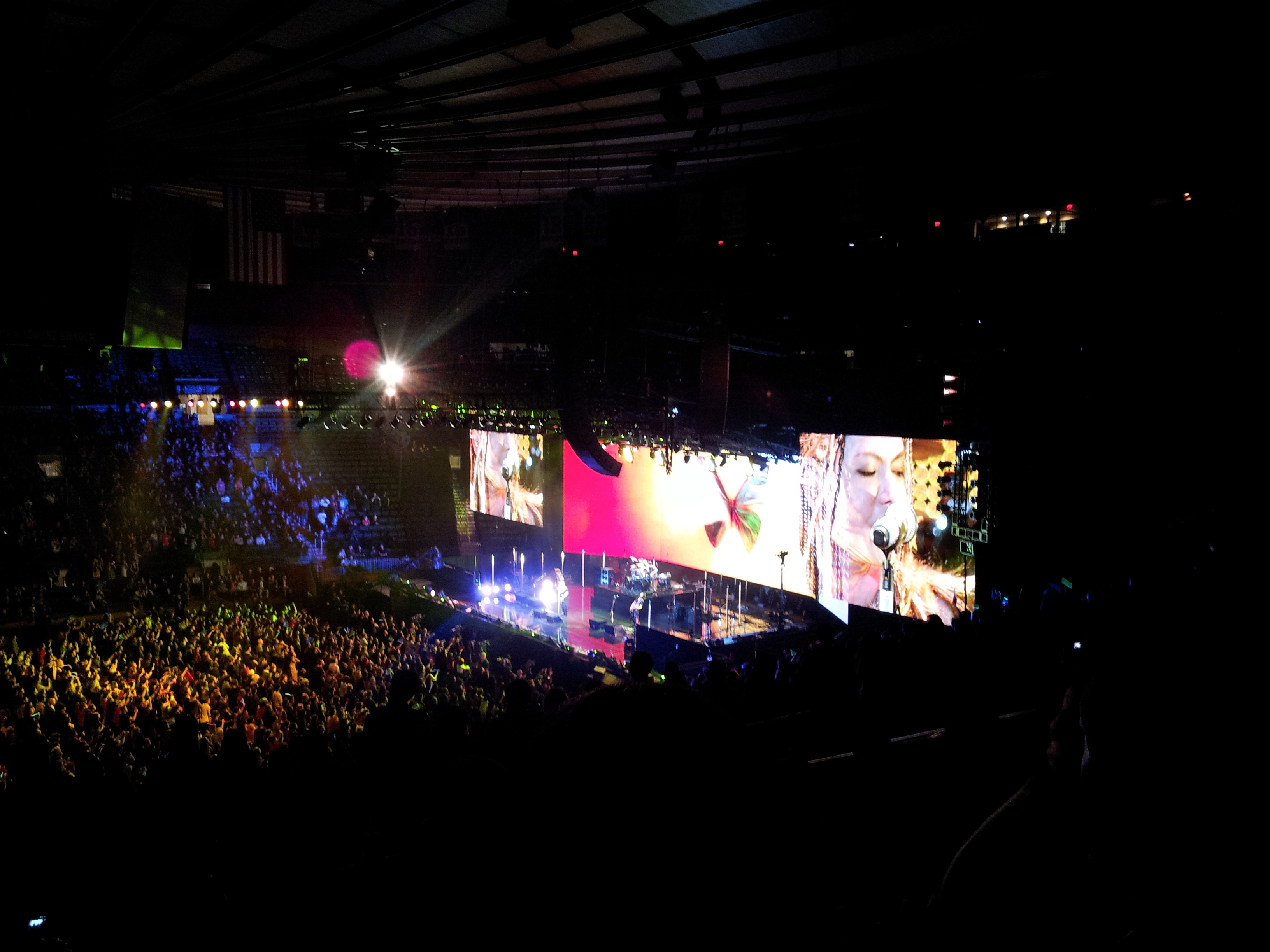
Last night I had fun rocking out at the concert of L’Arc en Ciel, one of Japan’s most popular bands. They were the first Japanese group to perform at Madison Square Garden, and they put on an amazing show! For me it was largely natsukashii, as I discovered L’Arc (or ラルク) as an exchange student in Kyoto my first time in Japan. During the weekly karaoke outings that I used to work on my kanji, ラルク soon became a regular part of my repertoire and for a while their song Honey was my #18 (specialty or favorite).
So I was super excited when I heard ラルク front man Hyde belt out the first 「ずっと」 that begins the song, and was happy to find that I still remembered most of the lyrics. I enjoyed other old favorites like Read More
WIT Life #193: Spending Time in Ichiro-Land, aka Seattle
Translating/Interpreting, WIT Life, Writers Comments Off on WIT Life #193: Spending Time in Ichiro-Land, aka Seattle
WIT Life is a periodic series written by professional Writer/Interpreter/Translator Stacy Smith (Kumamoto-ken CIR, 2000-03). She starts her day by watching Fujisankei’s newscast in Japanese, and here she shares some of the interesting tidbits and trends together with her own observations.
I am wrapping up a business trip here in Seattle, where the Japanese influence is huge. Not only do they have great Japanese shopping centers like Uwajimaya, located in the International District area, but they have Ichiro! The man himself is not here at the moment, having headed to Japan with the Mariners to play two exhibition games against Japanese teams before opening up the Major League season in two games against the Oakland A’s. All four games will be played in Tokyo. Today’s Seattle Times features an article highlighting Read More

****************
Thanks to Lindsay Tsuji for this write-up and thanks to Nadine Bukhman for the photos.
A chilly Toronto’s eve didn’t stop friends and fans of one artistically inclined JET alum from dropping by the Goodfellas Gallery in Toronto to celebrate the launch of his new book Life After the B.O.E. JETAA Toronto’s David Namisato (Aomori-ken CIR, 2002-04) was the cause of some serious hurrah on February 8.
Most JETs are no stranger to David’s comics. Started back in 2005, they chronicle the ins and outs of what life is like as a foreigner on the JET Programme. The enkais, the onsens, the team teaching…it’s all in there. Read More
I’ll Make It Myself!: “Roasted Vegetables and My Obsession with 安納芋”
Blogs, Food & Drink, I'll Make It Myself, Writers Comments Off on I’ll Make It Myself!: “Roasted Vegetables and My Obsession with 安納芋”
L.M. Zoller (CIR Ishikawa-ken, Anamizu, 2009-11) is the editor of The Ishikawa JET Kitchen: Cooking in Japan Without a Fight. A writer and web administrator for The Art of Japan: Kanazawa and Discover Kanazawa, ze also writes I’ll Make It Myself!, a blog about food culture in Japan, and curates The Rice Cooker Chronicles, a series of essays by JETs and JET alumni on the theme of cooking/eating and being alone in Japan.
New submissions always welcome. Just e-mail it to jetwit [at] jetwit.com.

Orange sweet potatoes, ubiquitous in the US, are often nowhere to be found in Ishikawa. Depending on where you are in the prefecture, you can usually locate some in one brief part of late winter in the local-vegetable section of the grocery store with the Noto– and Kaga Yasai (heirloom vegetables from Noto [northern Ishikawa] and Kaga [central-southern Ishikawa]). This March, I found some “Kabocha Imo” (“kabocha squash potato,” かぼちゃ芋), a Noto Yasai, at Marue, and I also found a large bag of annôimo (安 納芋) in the basement grocery stores in the department store M’ZA. Orange sweet potatoes are not as cheap as I remember them being back home during my student days, but they’re every bit as delicious.
CLICK HERE to read the full post.
Huffington Post article by Rikuzentakata JET alum Sarah Ruddy
Article/Journalism, Earthquake Tsunami, Notable JET Alums, Return on JET-vestment, Writers Comments Off on Huffington Post article by Rikuzentakata JET alum Sarah Ruddy
 Former Rikuzentakata JET Sarah Ruddy, a web producer for New York Magazine, was recently by Huffington Post to write an article in connection with the one-year anniversary of the 3/11 Tohoku earthquake and tsunami. (On a side note, I noticed that Sarah mentions another JET alum in the article, author/humor writer Will Ferguson who wrote Hitching Rides With Buddha among other books.)
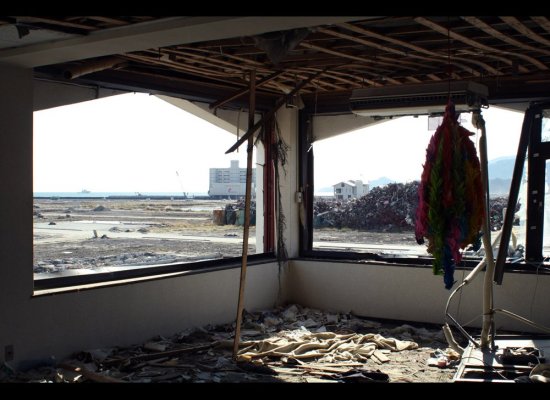
View from where Sarah's desk used to be in the Board of Education in Rikuzentakata
Here’s the article:
After The Tohoku Earthquake: ‘I Gave Up My Family For Dead’
http://www.huffingtonpost.com/sarah-ruddy/after-the-tohoku-earthqua_b_1335092.html#s770689
Here’s an excerpt:
My decision to go back was not about whether I should but how soon I could. I was determined to do whatever I could to help. I was often asked if I was afraid of another earthquake and tsunami occurring or how the radiation would effect me. There are plenty of dangers in the world that we can’t predict or prevent. They shouldn’t stop us from experiencing life.
I ended up going last November, seven months after the tsunami hit. I was welcomed by friends and generously offered a place to stay. I heard their stories of that day and the seven months that followed. The improvements made in that time were incredible.
I volunteered in Rikuzentakata and Ofunato, the city immediately north, and returned to my former schools to help out with classes. The people I volunteered with were from all over Japan, including students who were on break, retired couples who had free time and curious people who wondered how anyone could have survived. I spent long hours digging through fields of sediment and debris.
JET alum journalist Graham Shelby’s latest article on Fukushima 03.11.12
Article/Journalism, Cultural Outreach, Earthquake Tsunami, Japan Local, Notable JET Alums, Writers Comments Off on JET alum journalist Graham Shelby’s latest article on Fukushima 03.11.12
Graham Shelby (Fukushima-ken, Ishikawa-shi, 1994-97) has published a thoughtful piece on Fukushima, this one on Kentucky news site, Kentucky.com, in addition to previous radio and written pieces he has done for NPR and other news outlets.
“Quake, tsunami a year ago refreshed Kentuckian’s memories of time in Japan”
By Graham Shelby – contributing write
Posted: 12:00 AM on March 11, 2012
Twenty-three years old and eager to get out of my hometown, I left Lexington for Japan. In the summer of 1994, I took a job teaching English in Ishikawa, a small town surrounded by rice fields and forested hills in Fukushima Prefecture, about 100 miles north of Tokyo.
Click here to read the full article: http://www.kentucky.com/2012/03/11/2104978/quake-tsunami-a-year-ago-refreshed.html#storylink=misearch
Kameoka Diaries #7 by Lars Martinson
Cartoon/Illustration, Humor, Japan Local, JET Alum Author Beat, Notable JET Alums, Travel/Tourism, Writers Comments Off on Kameoka Diaries #7 by Lars Martinson
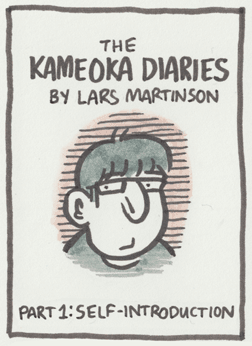
Lars Martinson (Fukuoka-ken 2003-2006), author of the graphic novels Tonoharu: Part Two andTonoharu: Part 1, has just just published the latest edition of his new cartoon series called“Kameoka Diaries“ about his return to teaching English, this time in Kameoka, Kyoto.
Click here to read the Kameoka Diaries #7.
http://larsmartinson.com/kameoka-diaries-7/
Return to Tohoku: Fukushima Update 03.07.12 by Brent Stirling
Earthquake Tsunami, Notable JET Alums, Return on JET-vestment, Travel/Tourism, Writers Comments Off on Return to Tohoku: Fukushima Update 03.07.12 by Brent Stirling
***************
Here’s another Fukushima update from JET alum Brent Stirling, one of the 20 Tohoku region JET alumni selected by the Ministry of Foreign Affairs (MOFA) to return to their town to both engage in volunteer efforts and also help document and share what’s going on there.
Click here to read other Return To Tohoku updates on JETwit. You can also check the JETAA USA website post (“JET Alums Return to Tohoku”) for additional information.
By Brent Stirling (Fukushima-ken, Fukushima-shi, 2006-10)
It’s been almost a year since the Great East Japan Earthquake and almost six months since I returned to Fukushima and this will be the first thing I have posted about it since my week long adventure into the place I called home for so long.
I have agonized over the writing of this for months now. While in Fukushima, I learned, saw and felt so many new things. The main feeling I came away with after having been there was one of inspiration. The people in Fukushima, foreigners and Japanese, were all so very inspirational. The vigor that they put into the community there and how they defend and care for Fukushima and it’s reputation was nothing short of remarkable.
I’ll be honest, while I did go back to Fukushima on the Japanese Ministry of Foreign Affairs’ dime, my main motivation for going back wasn’t …..
CLICK HERE to read the full post
