




WIT Life #97: Anko obsessed
 Anecdote Article, Food & Drink, Translating/Interpreting, Uncategorized, WIT Life
  Comments Off on WIT Life #97: Anko obsessed
WITLife is a periodic series written by professional Writer/Interpreter/Translator Stacy Smith (Kumamoto-ken CIR, 2000-03). She starts her day by watching Fujisankei’s newscast in Japanese, and here she shares some of the interesting tidbits and trends together with her own observations.
For those of you who have been faithful readers of my blog, you probably have a sense of the sweet tooth that I have, especially regarding 和菓子(wagashi). This is something known well by those closest to me, as well as those looking for the fastest way into my heart :) My birthday was this past weekend, and my friends came through with flying colors in terms of satisfying my cravings for something sweet.
I celebrated my birthday with dinner at Koiso, the best Japanese restaurant in NY (and I’m not saying that just because I used to waitress there!). It is a truly authentic family-run joint where regulars dominate the clientele, and there are always multiple conversations taking place in Japanese. Taisho (the sushi chef), gets his supplies from the Freeport Fish Market, and he always lets customers know what fish are the freshest that day. Omakase (leaving it in the hands of the master) is definitely the way to go for the best sushi/sashimi!
Taisho’s wife Kyoko-san is the waitress and all-around life of Koiso, and the warmest woman you will ever want to meet. For my birthday, she had all of my favorites prepared. As you can see in the picture on the right resembling an anko trifecta, she made me a generous portion of Read More
WIT Life #96: ヒューストンの日本庭園
Anecdote Article, Translating/Interpreting, Uncategorized, WIT Life Comments Off on WIT Life #96: ヒューストンの日本庭園
WITLife is a periodic series written by professional Writer/Interpreter/Translator Stacy Smith (Kumamoto-ken CIR, 2000-03). She starts her day by watching Fujisankei’s newscast in Japanese, and here she shares some of the interesting tidbits and trends together with her own observations.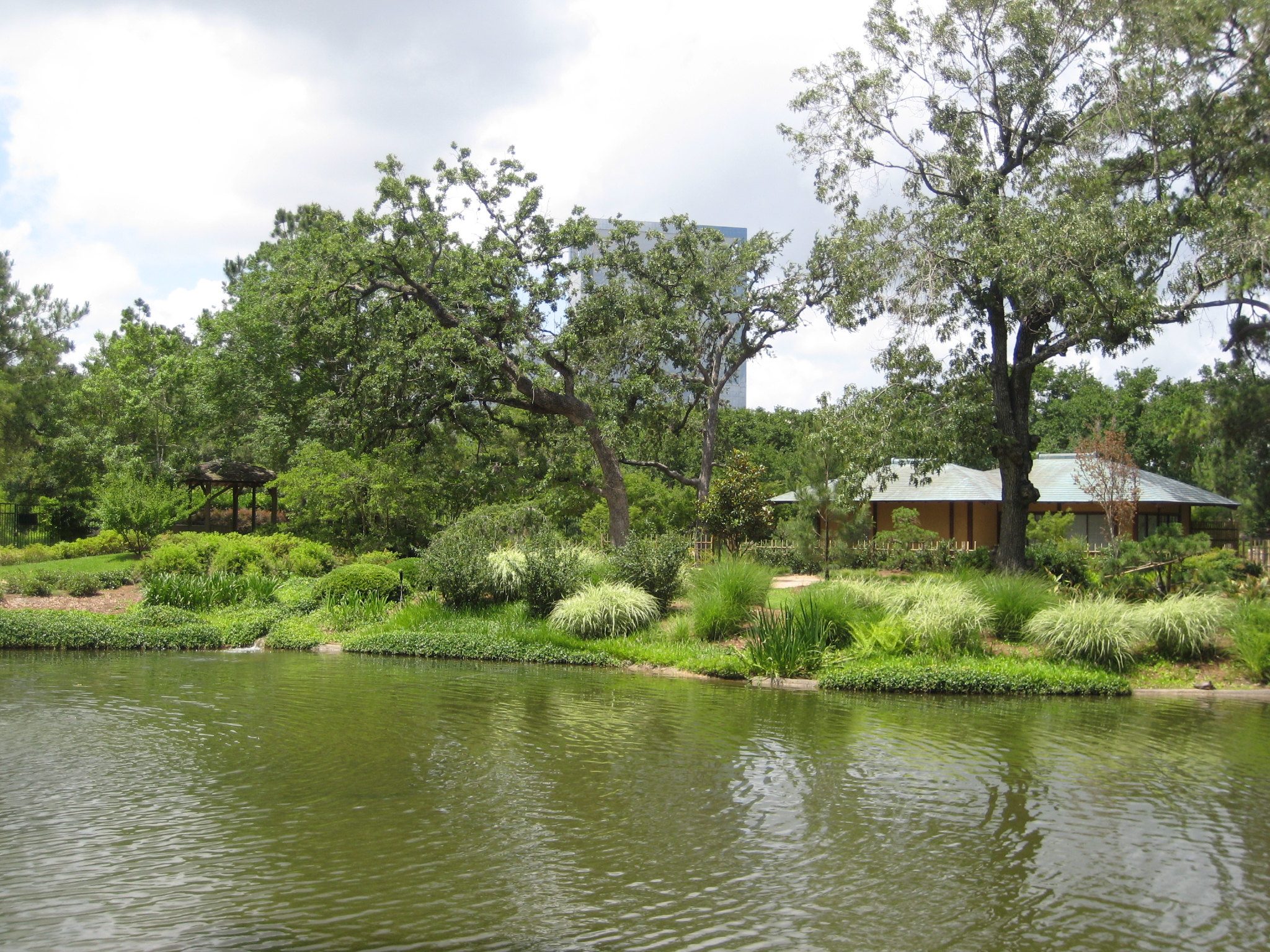
The hot, humid weather down here in Houston certainly takes its toll on the body, but I was able to enjoy a morning run this weekend with one of the participants in my group (By the way, this fellow runner is also a former interpreter, and I would highly recommend her Japanese-only very entertaining blog). Our destination was Hermann Park located just off of the Rice University campus, and when we arrived and did some exploring we were able to find a Japanese garden! (日本庭園 or Nihon teien)
It was authentic in all respects, with manicured paths and a large tea house in the back. We took respite in the shade and Read More
WIT Life #95: 事業仕分け
Anecdote Article, Article/Journalism, Japan Trends, Return on JET-vestment, Translating/Interpreting, WIT Life Comments Off on WIT Life #95: 事業仕分け
WITLife is a periodic series written by professional Writer/Interpreter/Translator Stacy Smith (Kumamoto-ken CIR, 2000-03). She starts her day by watching Fujisankei’s newscast in Japanese, and here she shares some of the interesting tidbits and trends together with her own observations.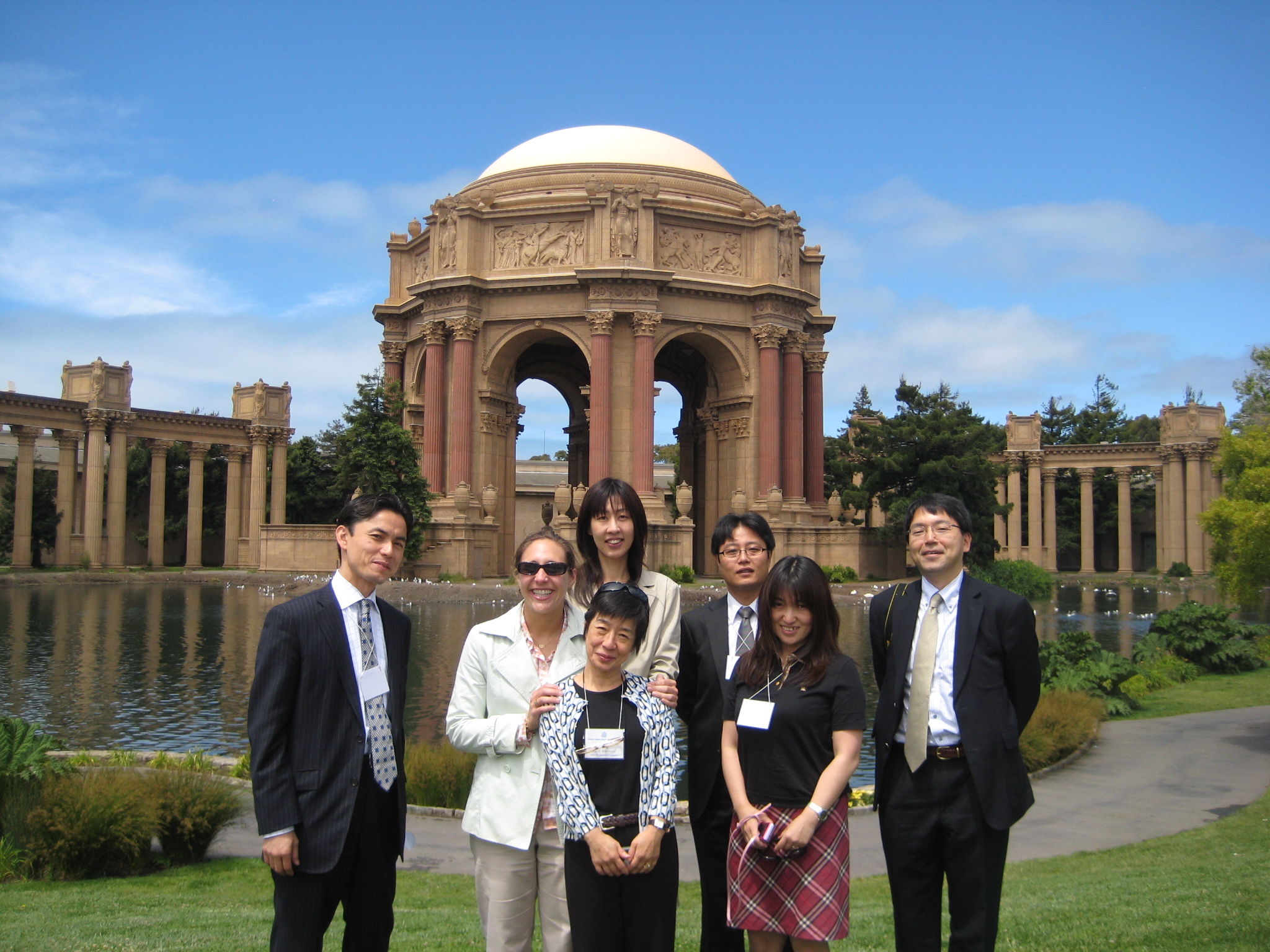
The Japanese government is currently undertaking 事業仕分け (jigyo shiwake), budget screening or review and prioritization of government projects. This has become a buzzword since the DPJ came into office promising to eliminate wasteful government spending. The party sees this reassessment method as a potentially powerful way to chop budgets. It is being carried out to the point where no one knows where the ax will fall next.
In fact, the group I am currently interpreting for is here in the U.S. for a year through a program carried out by Japan’s National Personnel Authority and supported by the State Department. They are representatives of a variety of Ministries and will spend their time researching and producing papers on topics relating to their respective fields, with the hopes of applying this knowledge when they return home. However, they are concerned that due to jigyo shiwake there might not be a group to succeed them next year.
I recently received news from a friend at the Japan Local Government Center, the New York branch of the Council for Local Authority on International Relations (CLAIR), one of the sponsors of the JET program. He told me that Read More
WIT Life #94: Beard Papa and other familiar favorites
Anecdote Article, Food & Drink, Translating/Interpreting, WIT Life Comments Off on WIT Life #94: Beard Papa and other familiar favorites
WITLife is a periodic series written by professional Writer/Interpreter/Translator Stacy Smith (Kumamoto-ken CIR, 2000-03). She starts her day by watching Fujisankei’s newscast in Japanese, and here she shares some of the interesting tidbits and trends together with her own observations.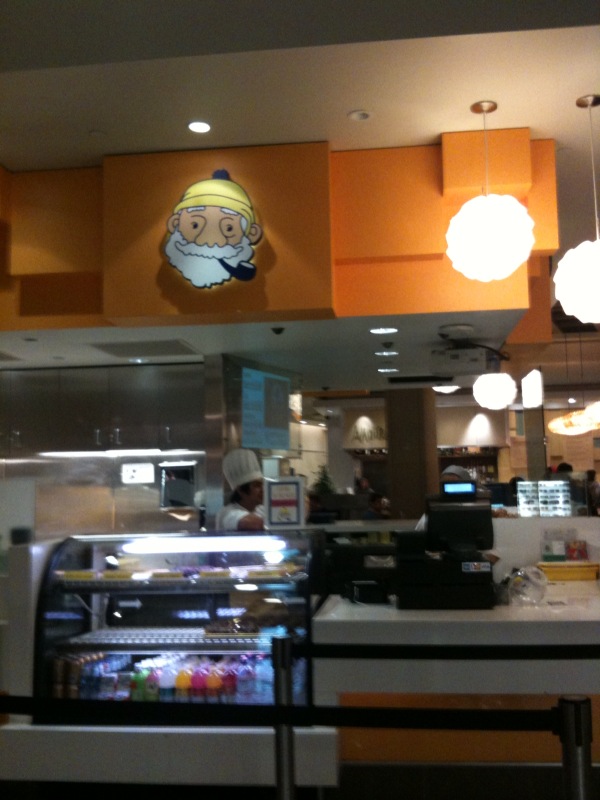
Today is our last full day in San Francisco, so I decided to explore some of the offerings in the immediate vicinity of where I am staying, Hotel Nikko. Here in the lobby there are so many Japanese customers that I occasionally get flashbacks to the many times I spent in Kumamoto’s Hotel Nikko at various events during my time on JET. Natsukashii!
I went for a walk to the local mall with my co-interpreter who was on a mission to find cream puffs. I had no idea that Beard Papa had an outpost here on the West Coast, but sure enough Read More
WITLife is a periodic series written by professional Writer/Interpreter/Translator Stacy Smith (Kumamoto-ken CIR, 2000-03). She starts her day by watching Fujisankei’s newscast in Japanese, and here she shares some of the interesting tidbits and trends together with her own observations.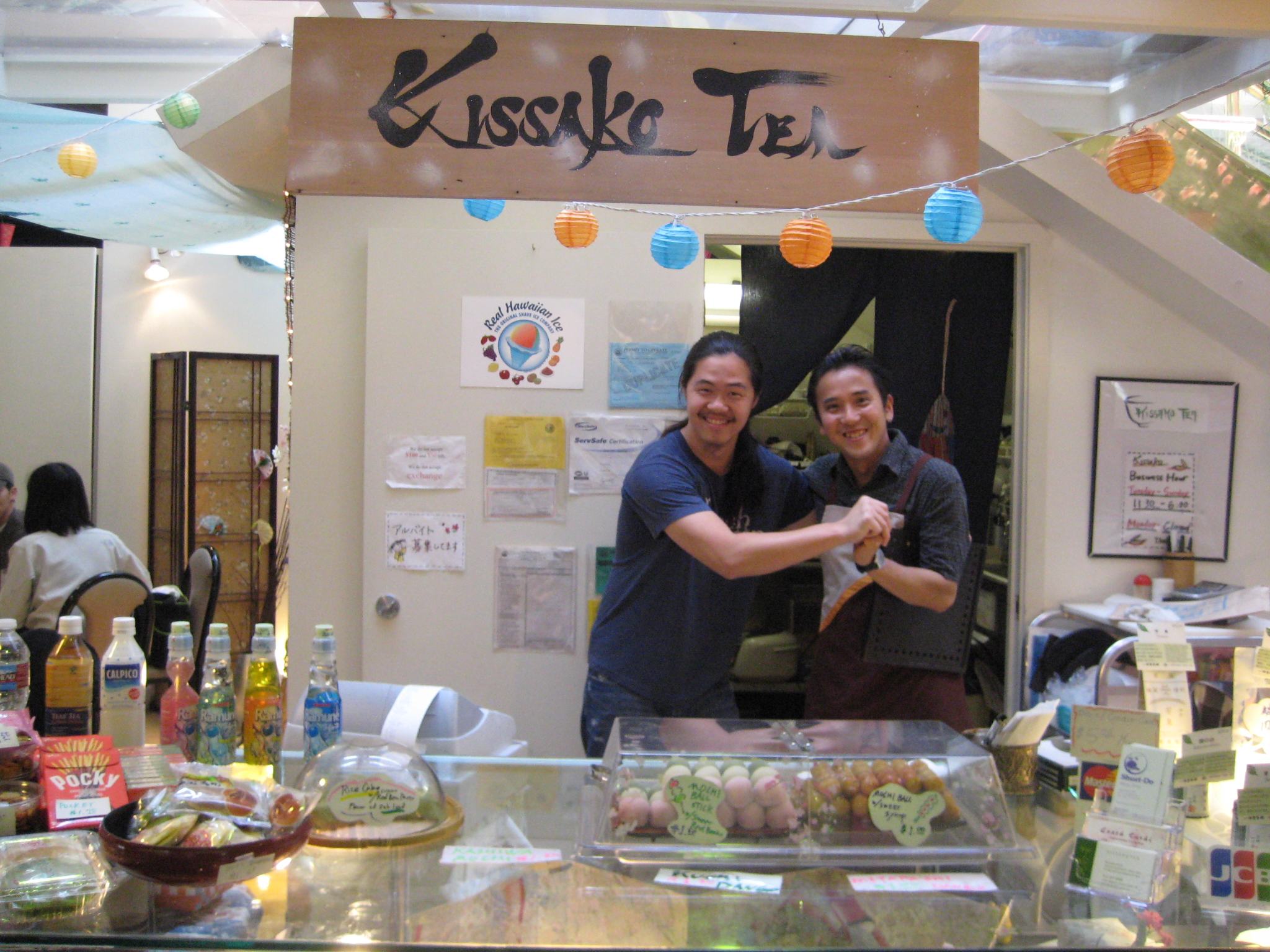
My interpreting travels bring me to San Francisco this time, and I couldn’t leave without paying a visit to Japantown. I hadn’t been there in a couple of years, but I clearly remembered the array of restaurants, souvenir shops and an onsen-like spa I once had a soak in. I went with a friend who was craving something sweet and wanted a recommendation, so I suggested we get 白玉汁粉 (shiratama shiruko), one of my favorite Japanese desserts following ぜんざい (zenzai). We ended up at Kissako Tea where we were served by Hiro and Koji, pretending to be a charming 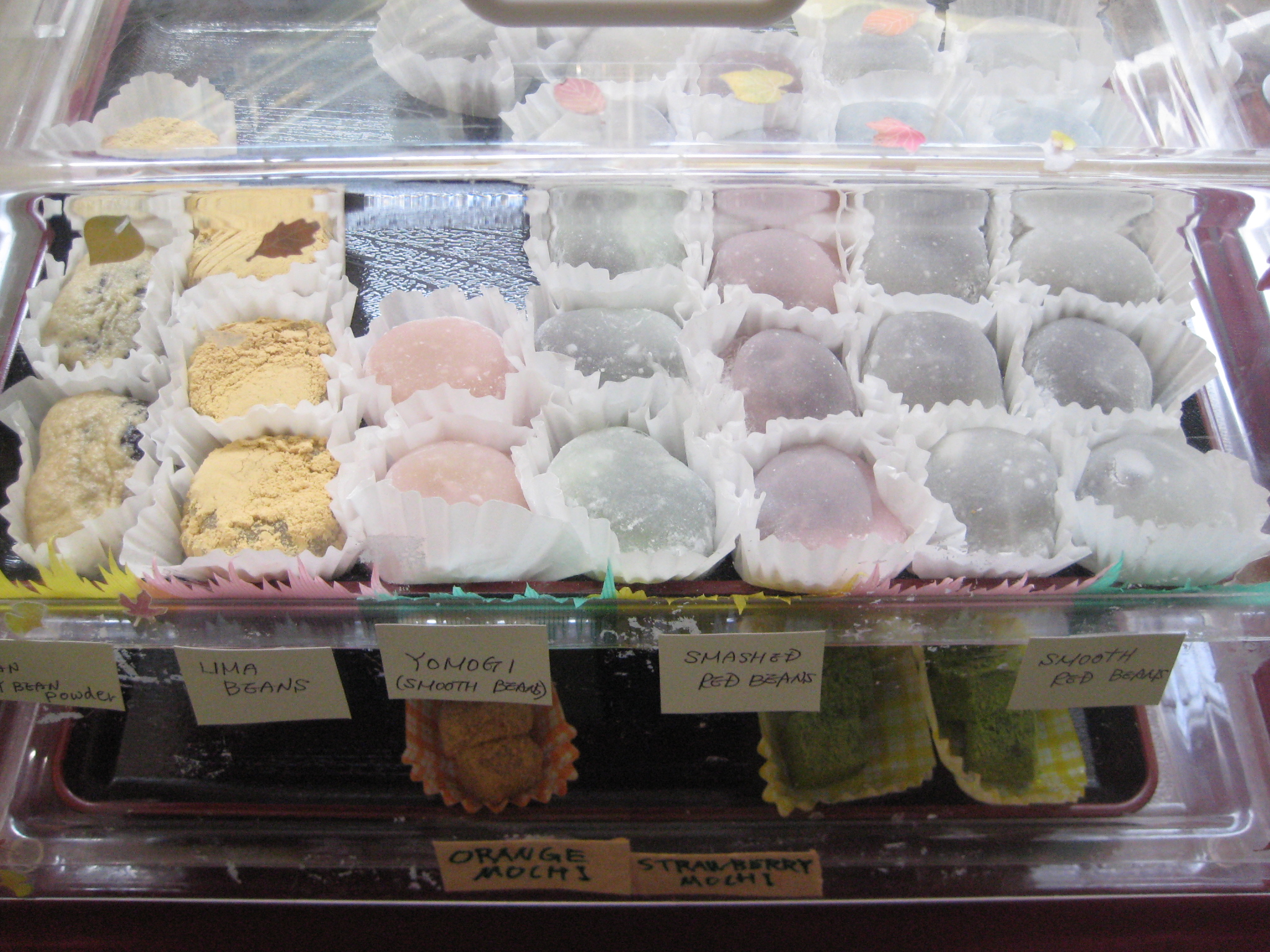 couple in the picture on the right.
Kissako also had a nice selection of mochi (pictured left), including Read More
WITLife is a periodic series written by professional Writer/Interpreter/Translator Stacy Smith (Kumamoto-ken CIR, 2000-03). She starts her day by watching Fujisankei’s newscast in Japanese, and here she shares some of the interesting tidbits and trends together with her own observations.
Last week there was an interesting article in the NYT about Chinese teachers who are sponsored by their  government (with additional support from local school districts) to come teach here in the States for up to three year. It reminded me of JET, as well as my own experience first learning Japanese in high school. The article featured a young woman teaching in rural Oklahoma, and the cultural roadblocks she encountered along the course of her job (American students lack of geographical knowledge, pregnant teenagers, etc.). I love the quote she provides at the end of the article regarding what she hopes to impart to her students: “I want my students to have a sweet, sweet memory of taking Chinese. They won’t remember a lot of words, but I want them to remember the beauty of the language and the culture.”
It calls to mind the power of teachers and how a good one can have a dramatic effect on your future. As for me personally, I can definitely say that I would not be where I am today without the existence of my amazing high school Japanese teacher, Sensei Watson. It was her unique teaching style and incorporation of non-traditional methods, like showing us 紅白歌合戦 (kouhaku uta gassen or New Year’s Eve Singing Content) and having us write 年賀状 (nengajou or New Year’s greeting cards) before Oshougatsu that initially made me curious about this country that seemed to be so different from my own. I am eternally grateful to her for getting me started on my lifelong journey of discovering Japan!
WIT Life #91: More than just mochi
Anecdote Article, Translating/Interpreting, WIT Life Comments Off on WIT Life #91: More than just mochi
WITLife is a periodic series written by professional Writer/Interpreter/Translator Stacy Smith (Kumamoto-ken CIR, 2000-03). She starts her day by watching Fujisankei’s newscast in Japanese, and here she shares some of the interesting tidbits and trends together with her own observations.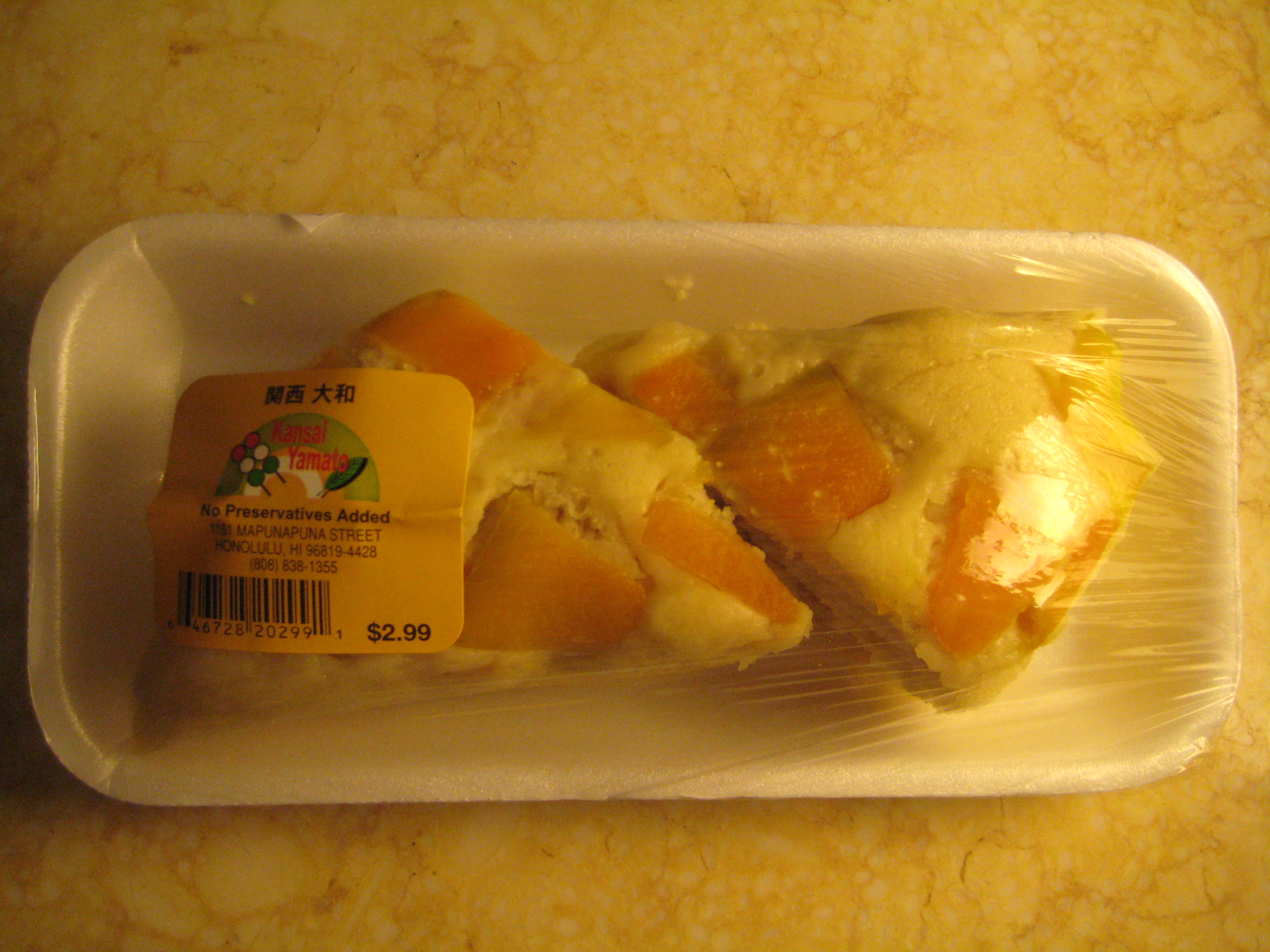
I have already written about my obsession with Kansai Yamato, an amazing mochi maker located in Honolulu’s Ala Moana mall. I am lucky enough to be back in Hawaii with my current group (someone up there likes me!), so of course I had to pay a visit as soon as I got into town. As the shelves were fully stocked, I was able to find some items I had not seen before. In addition to the wide variety of mochi, they had some other goodies like the kabocha bread in the picture on the right. As a huge pumpkin fan, I had to try it. I was expecting something along the lines of Japan’s mushi pan (steamed bread), but it was more substantial, similar to the consistency of a moist muffin (shittori shite iru). These two large piec es cost $2.99 plus tax, well worth the price.
Aside from getting some of the unusual flavors that I come to Kansai Yamato for (peanut butter & chocolate, Oreo, etc.), I got a mochi sampler ($3.99 plus tax) that included a variety of types. Shown on the left, it is comprised of (from top left clockwise) peanut butter, Okinawan sweet potato, kinako with red bean paste and what is labeled as honeydew (though it’s not very green in color). Clearly my sweet tooth will be satisfied for the next few days…
WIT Life #90: 感謝の気持ち
Anecdote Article, Japan Trends, Translating/Interpreting, WIT Life Comments Off on WIT Life #90: 感謝の気持ち
WITLife is a periodic series written by professional Writer/Interpreter/Translator Stacy Smith (Kumamoto-ken CIR, 2000-03). She starts her day by watching Fujisankei’s newscast in Japanese, and here she shares some of the interesting tidbits and trends together with her own observations.
Following our time in America’s heartland my group and I have since moved to the Bay Area, where we are continuing our study of food safety here in the States. One participant requested that we go to eat at a vegan restaurant, as this is not a common concept in Japan. In fact, one night we had a heated conversation regarding the distinction made between the values of plant/animal lives, as well as the viab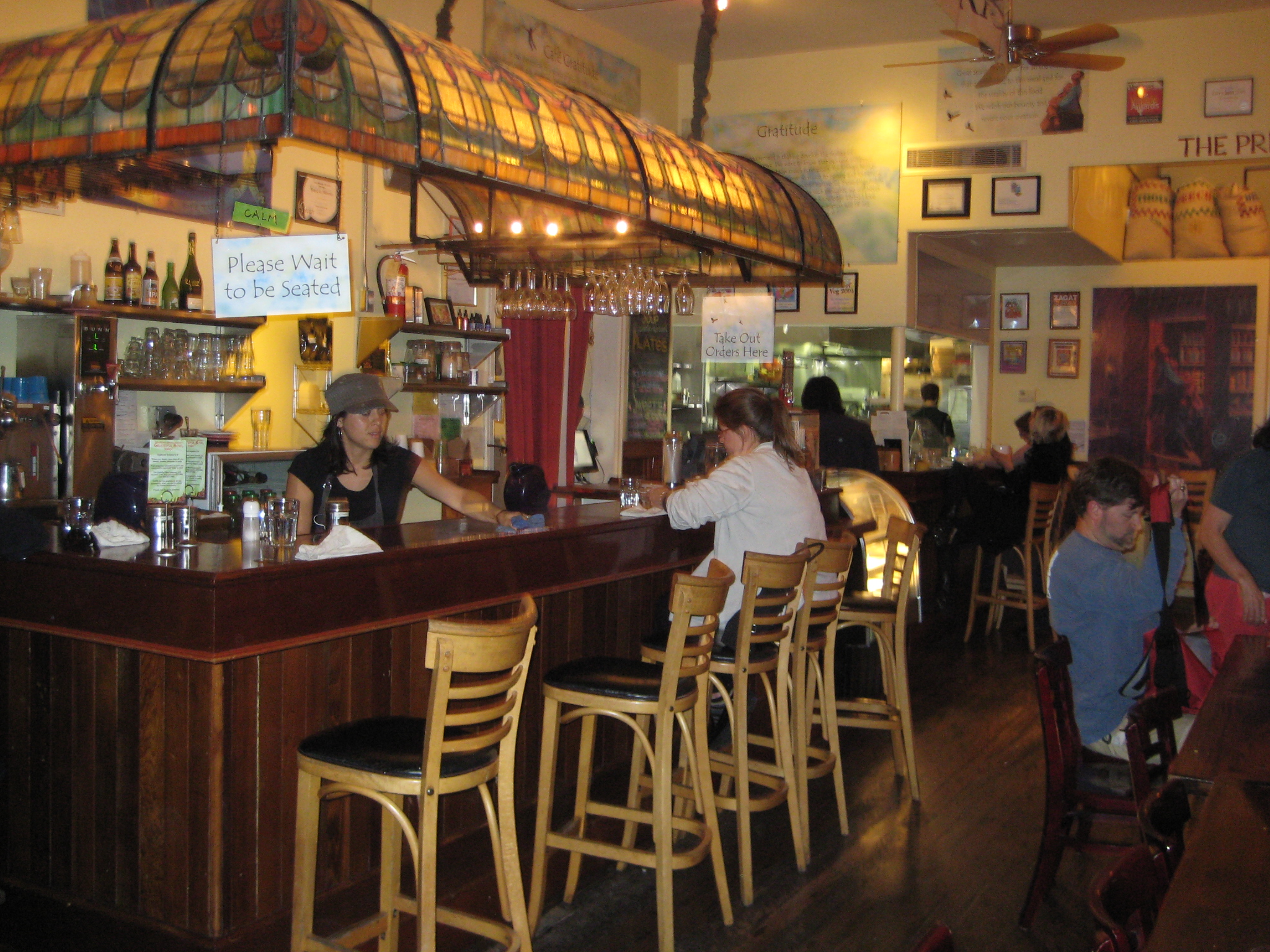 ility of vegetarianism. Veganism was a whole other extreme for them, but as they say, don’t knock it till you’ve tried it. So we were off to San Francisco’s Cafe Gratitude.
My participants were surprised at how delicious all the food was despite the limited ingredients. We had a sampler which included Read More
WIT Life #89: 空気人形
Anecdote Article, Translating/Interpreting, WIT Life Comments Off on WIT Life #89: 空気人形
WITLife is a periodic series written by professional Writer/Interpreter/Translator Stacy Smith (Kumamoto-ken CIR, 2000-03). She starts her day by watching Fujisankei’s newscast in Japanese, and here she shares some of the interesting tidbits and trends together with her own observations.
My current DOS interpreting assignment regarding food safety has kept me busy, but a weekend here in the farm country of Illinois has allowed some time to catch up. When I was in DC earlier this week, the annual Filmfest featuring a variety of international films was taking place. While flipping through the program booklet, I was happy to find that the latest release of one of my favorite Japanese directors, Hirokazu Kore-eda, was being screened. Some of his well-known previous works are After Life (ワンダフルライフ), Nobody Knows (誰も知らない) and Still Walking (歩いても 歩いても), and his newest is Air Doll (空気人形).
This two-hour plus movie came out in Japan last year, and it is based on Read More
**********************************************
WITLife is a periodic series written by professional Writer/Interpreter/Translator Stacy Smith (Kumamoto-ken CIR, 2000-03). She starts her day by watching Fujisankei’s newscast in Japanese, and here she shares some of the interesting tidbits and trends together with her own observations.
This weekend Japan Society hosted the inaugural 12-hour extravaganza known as “j-cation”. The line-up of events was kicked off by the movie Flavor of Happiness (幸せの香り or Shiawase no kaori), the story of a father-daughter relationship between an aging Chinese chef and his young female apprentice. A bit long and sappy, but the food images were to die for! In various corners of Japan Society several workshops were simultaneously taking place, such as Read More
WITLife is a periodic series written by professional Writer/Interpreter/Translator Stacy Smith (Kumamoto-ken CIR, 2000-03). She starts her day by watching Fujisankei’s newscast in Japanese, and here she shares some of the interesting tidbits and trends together with her own observations.
The other night I had the pleasure of meeting the author Jake Adelstein (pictured here on the Daily Show) who wrote the sensational book Tokyo Vice, the story of his time as a crime reporter in Japan. This absorbing memoir traces his path from Sophia University student to full-time reporter at the newspaper Yomiuri Shimbun, a notable feat for a foreigner. He spent 12 years covering the underbelly of Japan, and as expected the bulk of his talk concentrated on the yakuza.
He discussed how this Japanese mafia is known as a second police force, or a necessary evil (必要な悪 or hitsuyou na aku). As tracked by the police they number Read More
WIT Life #86: 日本の企業家精神
Anecdote Article, Japan Trends, Translating/Interpreting, WIT Life Comments Off on WIT Life #86: 日本の企業家精神
WITLife is a periodic series written by professional Writer/Interpreter/Translator Stacy Smith (Kumamoto-ken CIR, 2000-03). She starts her day by watching Fujisankei’s newscast in Japanese, and here she shares some of the interesting tidbits and trends together with her own observations.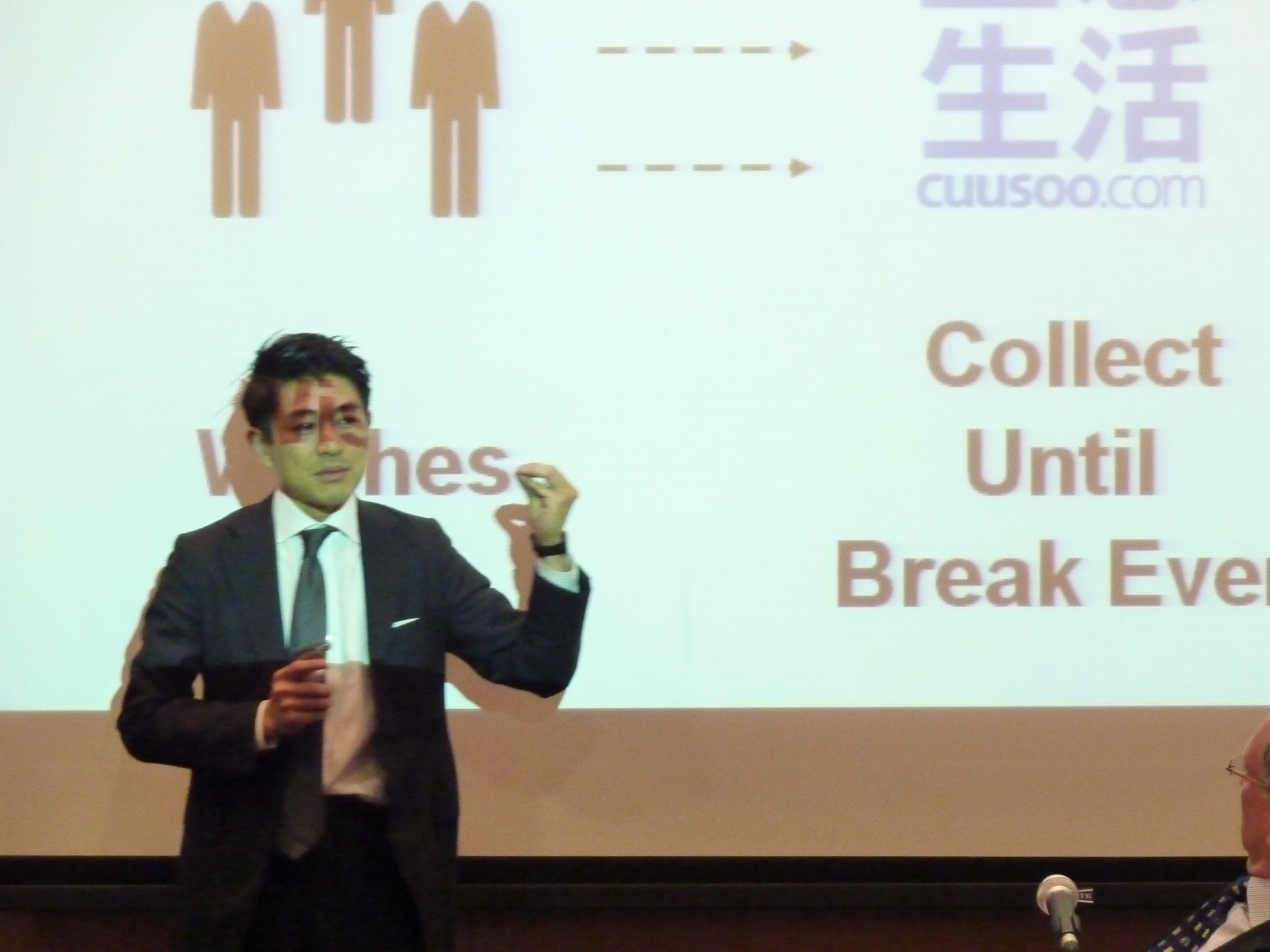
Last night I attended a symposium on Entrepreneurship in Japan (日本の企業家精神; nihon no kigyouka seishin) hosted by the Columbia Business School’s Center on Japanese Economy and Business. The three panelists (two present, one via video from Tokyo) represented a variety of generations and backgrounds. In 1985, American-born Ernest Matsuo Higa revolutionized Japanese home pizza delivery after obtaining the exclusive license to Domino’s Pizza. Atsushi Imuta (participating from Tokyo) quit his job at a Japanese bank to found RISA Partners, an invesment banking firm. Kohei Nishiyama, the youngest of the group who was raised in Columbia and went to university in Japan, invented the Design To Order system which allows manufacturers to reduce risk by carrying out product development based on customers’ requests.
An article on Japanese entrepreneurship in last month’s Eurobiz Japan highlights how within the Japan’s educational system there is the idea of Read More
WIT Life #85: New start
Anecdote Article, Article/Journalism, Japan Trends, Translating/Interpreting, WIT Life Comments Off on WIT Life #85: New start
WITLife is a periodic series written by professional Writer/Interpreter/Translator Stacy Smith (Kumamoto-ken CIR, 2000-03). She starts her day by watching Fujisankei’s newscast in Japanese, and here she shares some of the interesting tidbits and trends together with her own observations.
Whereas here in the States today we celebrate April Fool’s Day, April 1st in Japan is a beginning. It is the start of the new fiscal and school years, and the blooming and subsequent falling of the cherry blossoms serves as a way to mark this transition. This morning’s news outlined several changes that will be taking place in accordance with the new year, but whether they will make life in Japan easier or harder remains to be seen.
- The child allowance law giving parents 13,000 yen per child per month goes into effect today, fulfilling one of the DPJ’s key campaign pledges. It differs from Read More
WIT Life #84: 国勢調査
Anecdote Article, Article/Journalism, Translating/Interpreting, Uncategorized, WIT Life Comments Off on WIT Life #84: 国勢調査
**********************************************************************
WITLife is a periodic series written by professional Writer/Interpreter/Translator Stacy Smith (Kumamoto-ken CIR, 2000-03). She starts her day by watching Fujisankei’s newscast in Japanese, and here she shares some of the interesting tidbits and trends together with her own observations.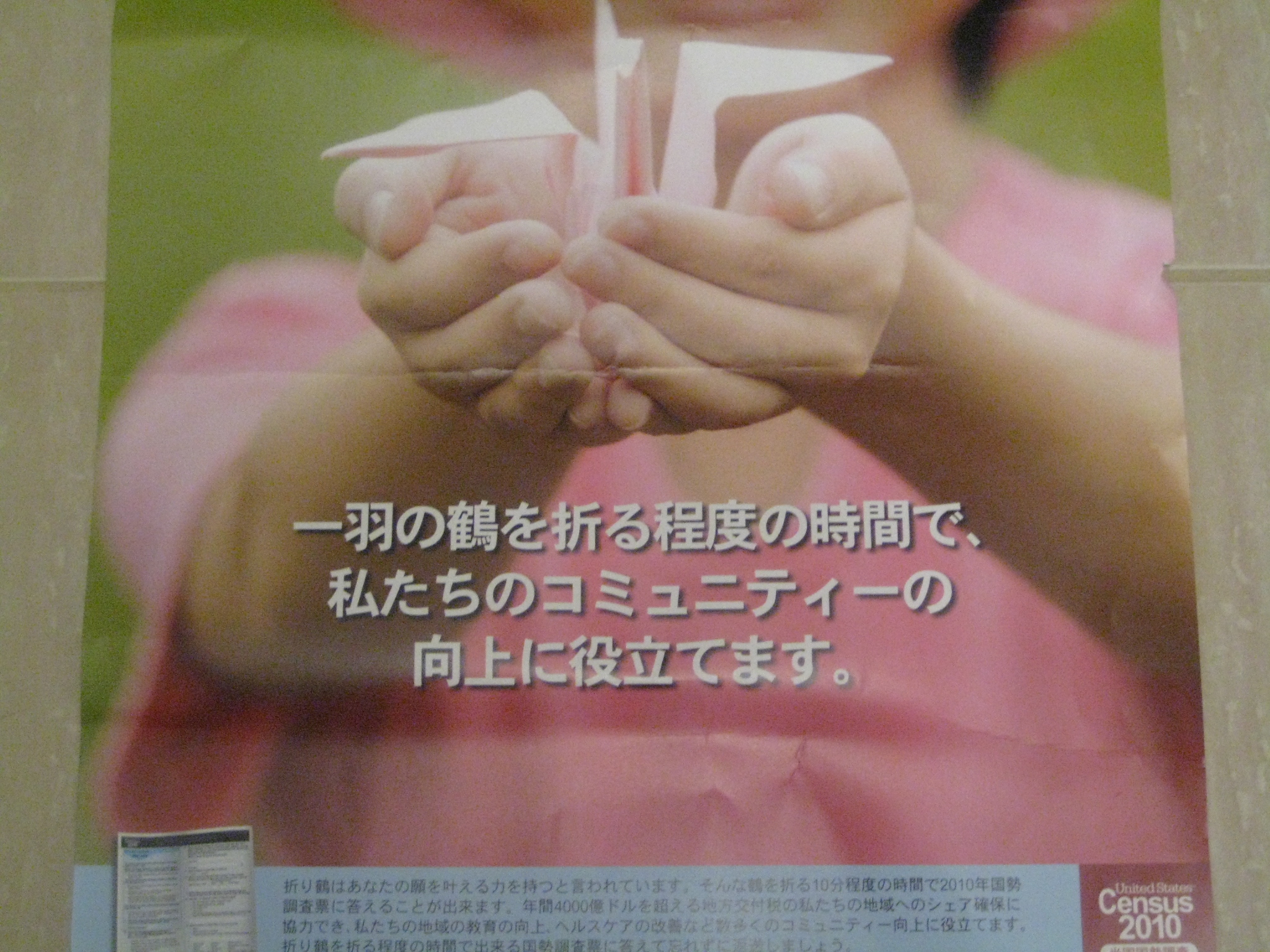
We are rapidly coming up on the deadline for the 国勢調査 (kokusei chousa) or national census, so I hope everyone has already filled in and returned their forms. Every morning during the Japanese news there are advertisements running in Japanese advocating participation in the census as one’s civic duty. Also, I have come across some interesting Japanese language print ads that I would like to share.
The one on the right shows Read More
WIT Life #83: Japan in the news and in film
Article/Journalism, Japan Trends, Translating/Interpreting, Uncategorized, WIT Life Comments Off on WIT Life #83: Japan in the news and in film
WITLife is a periodic series written by professional Writer/Interpreter/Translator Stacy Smith (Kumamoto-ken CIR, 2000-03). She starts her day by watching Fujisankei’s newscast in Japanese, and here she shares some of the interesting tidbits and trends together with her own observations.
The Wall Street Journal had some interesting Japan coverage this week. One article from earlier in the week discusses tactics being employed to get the Japanese populace turned on to fish again, as its popularity has declined due to factors such as smell, price and preparation. It has gotten to the point where fishery officials have started sending instructors to schools in order to teach children how to eat fish with chopsticks, and fish is being promoted in pop culture by characters such as Sakana-kun (on right saying “Let’s eat delicious fish with Sakana-kun!”).
Another article focuses on Japanese-Americans who were interned during WWII, and how they got through this ordeal by forming swing bands. This legacy is being preserved through a tribute band called Minidoka Swing Band, with members who were internees as well as others who have no ties to the camps (check out the video, they’re talented!).
Speaking of the internment, this weekend was the 3rd annual New York Peace Film Festival which featured Read More
