




JQ Magazine: Cirque du Soleil’s ‘LUZIA’ a South of the Border-Tinged Dream Come True
 Art, Article/Journalism, Events, JQ Magazine, Music, Reviews
  Comments Off on JQ Magazine: Cirque du Soleil’s ‘LUZIA’ a South of the Border-Tinged Dream Come True
By JQ magazine editor Justin Tedaldi (CIR Kobe-shi, 2001-02). Justin has written about Japanese arts and entertainment for JETAA since 2005. For more of his articles, click here. Photos by Matt Beard & Anne Colliard.
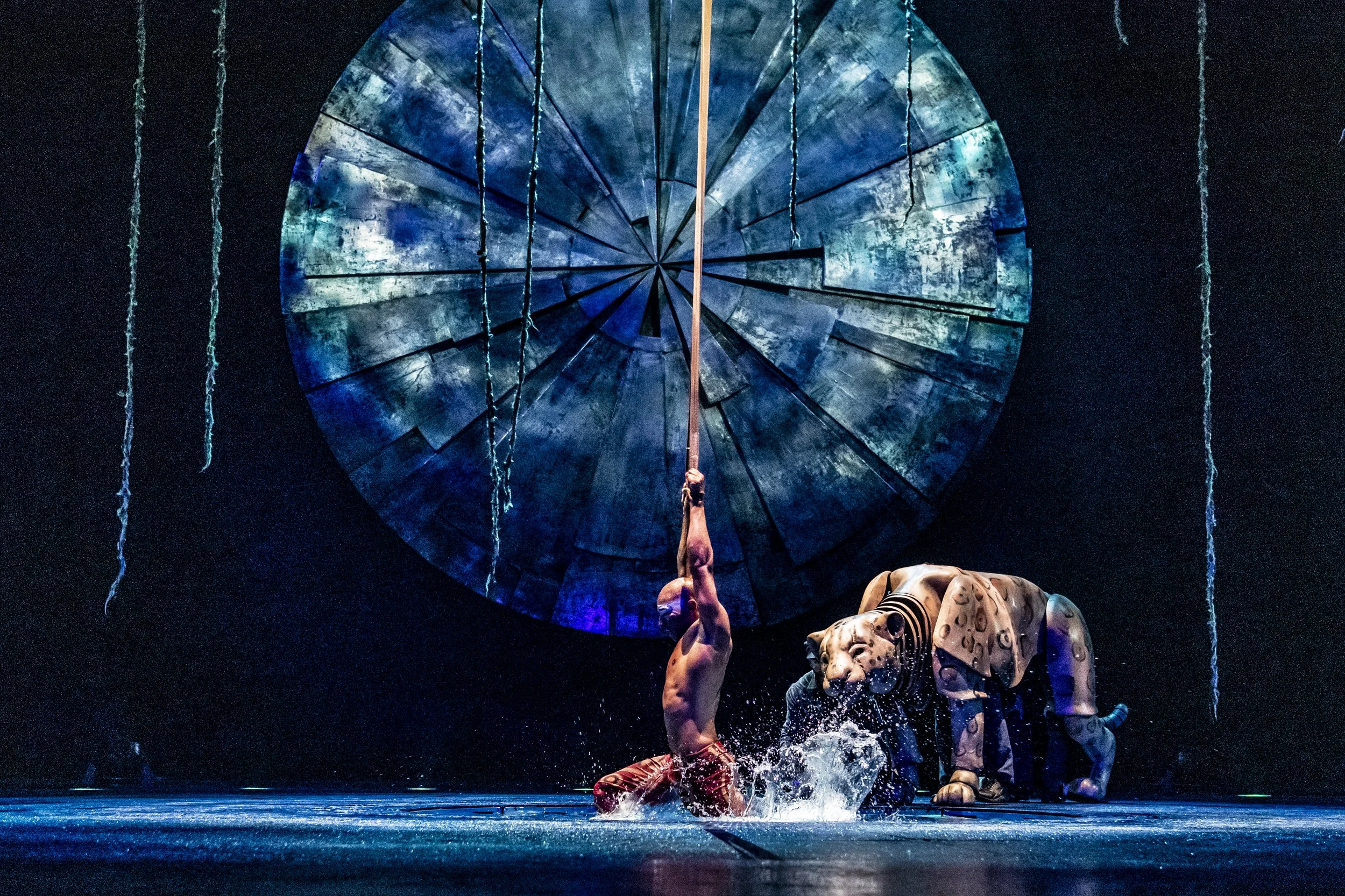
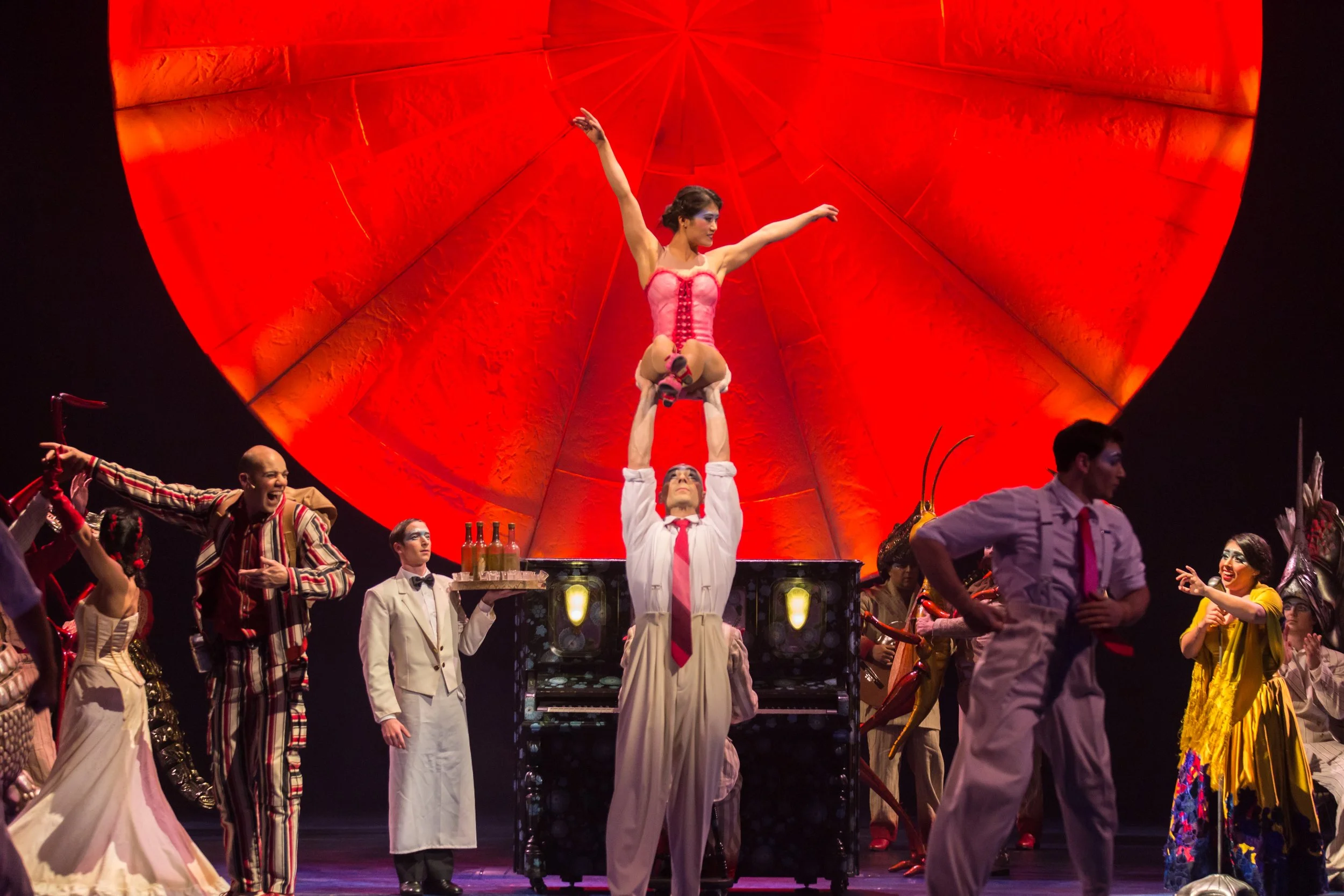
Under the White Big Top at Atlantic Station, a glowing disc becomes moon and sun, hummingbirds vault through moving hoops, and a sudden downpour sketches patterns in mid-air. This is LUZIA: A Waking Dream of Mexico, Cirque du Soleil’s acclaimed touring production that transforms a night at the circus into a kaleidoscopic travelogue: equal parts high-wire athleticism, live theater, and living mural. The Atlanta engagement runs now through January 25—a perfect holiday send-off and a rare chance to see the company’s first Big Top show to weave real rain into its acrobatics.
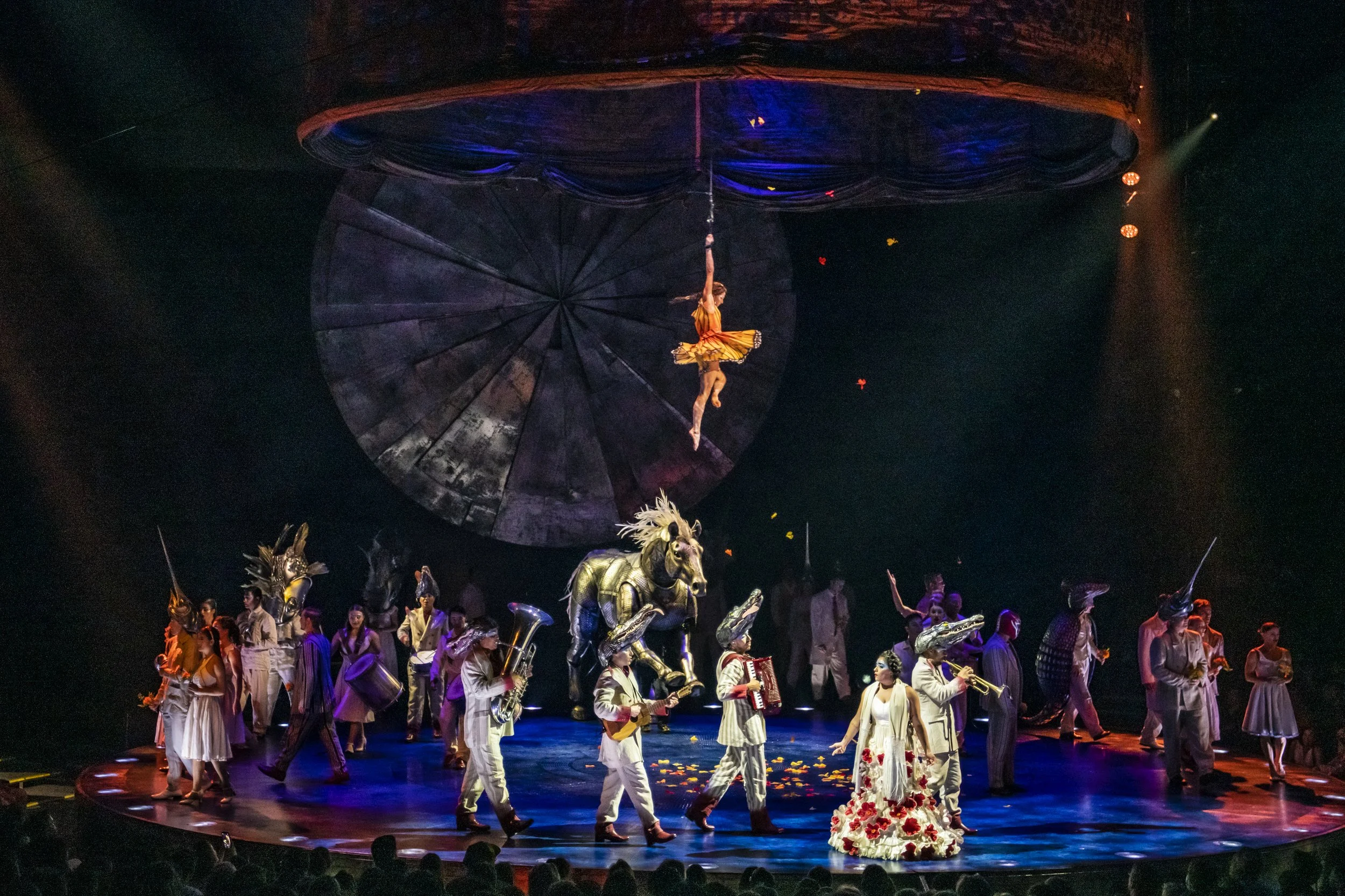
LUZIA opens with a parachutist tumbling into a field of golden marigolds before a “Running Woman” unfurls monarch-butterfly wings. From there, the show leapfrogs through an imaginary Mexico: a smoky dance hall inspired by the golden age of cinema; an arid desert rimmed by towering agaves; a cenote where an aerialist arcs just above a shimmering pool. The program’s audacious centerpiece is a curtain of water that “prints” shapes with droplets—flowers, animals, even motifs drawn from Otomí embroidery—then vanishes in an instant.
On treadmills, hoop divers sprint and spring through moving rings; Cyr wheel artists carve hypnotic circles in the rain; and the Russian swing sends flyers soaring 30 feet beneath the tent’s crown. (Note that this is the first Cirque touring production to integrate water at this scale; Cirque’s custom-made 2,600-seat Grand Chapiteau becomes a small village on wheels, complete with kitchens, workshops, and a self-contained water system.)
Reviews have been rapturous since the show’s Montreal premiere back in 2016. New York Theatre Guide called LUZIA “one not to miss,” praising the way it “showcases the best of Cirque’s acrobatic feats amid bright colors, vibrant music, and rich culture.” Atlanta’s ArtsATL admired how the “sumptuous and vibrant world of Mexico” is conjured through costumes, ingenious set pieces, and “excellent acrobatics.” Critics abroad have echoed the praise. Australia’s Herald Sun hailed LUZIA as a “spellbinding love letter to Mexican culture” and marveled at the onstage downpour created with tens of thousands of liters of filtered, heated, and recirculated water—an engineering feat that underscores Cirque’s obsession with detail and safety.
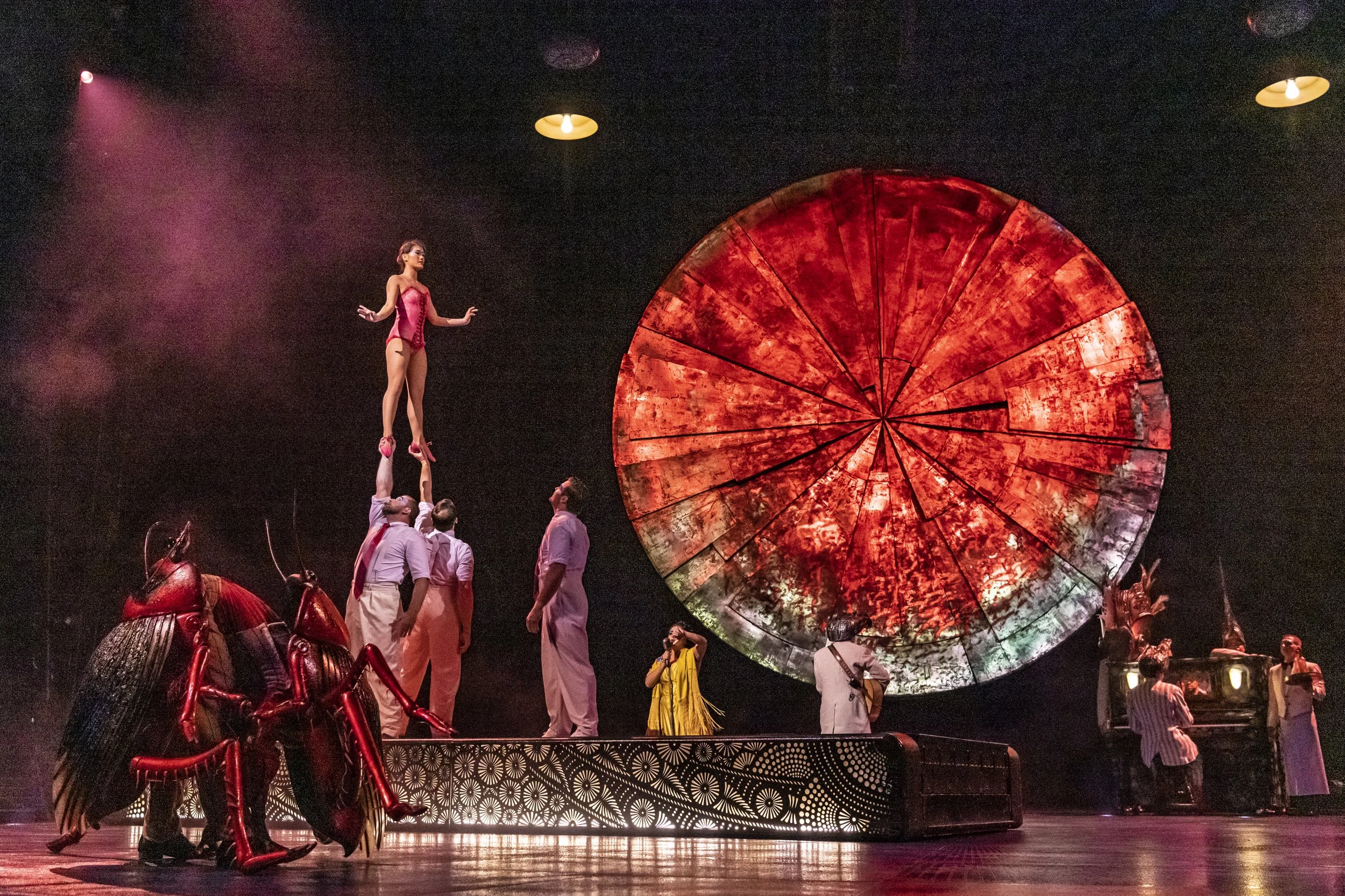
Cirque du Soleil’s Big Top is more than a venue; it’s a bespoke canvas that turns a city block into an immersive festival. The tent’s near-in-the-round sightlines make even the back row feel close to the action, while the show’s score—a buoyant mix of cumbia, banda brass, and luminous ballads—envelops the space with warmth and momentum. The company’s press kit outlines how the giant rotating disc above the stage morphs from celestial symbol to Aztec calendar; how the Blue Box set philosophy lets scenes slip between ocean, desert, and city; and how puppetry (including a stalking jaguar) adds a dream-logic layer to the acrobatics. If you’ve ever wondered how Cirque builds a world from light and movement alone, LUZIA is a masterclass.
Cirque’s global footprint has long included Japan, where the company mounted ZED—a resident mega-production at Tokyo Disney Resort. Premiering in 2008 in a custom-built 2,170-seat theater, ZED quickly became a phenomenon; industry reports at the time noted it reached its one-millionth guest faster than any show in Japan and racked up 1,000+ performances before closing in 2011 amid post-earthquake market headwinds. The production’s success demonstrates Japan’s appetite for Cirque’s blend of artistry and technical wizardry—and helps explain why Japanese travelers often prioritize Cirque experiences when visiting North America. On the U.S. side, Japanese visitors remain a high-value segment for live entertainment hubs such as Las Vegas, Orlando, and coastal gateway cities, where Cirque’s resident and touring shows are signature attractions.
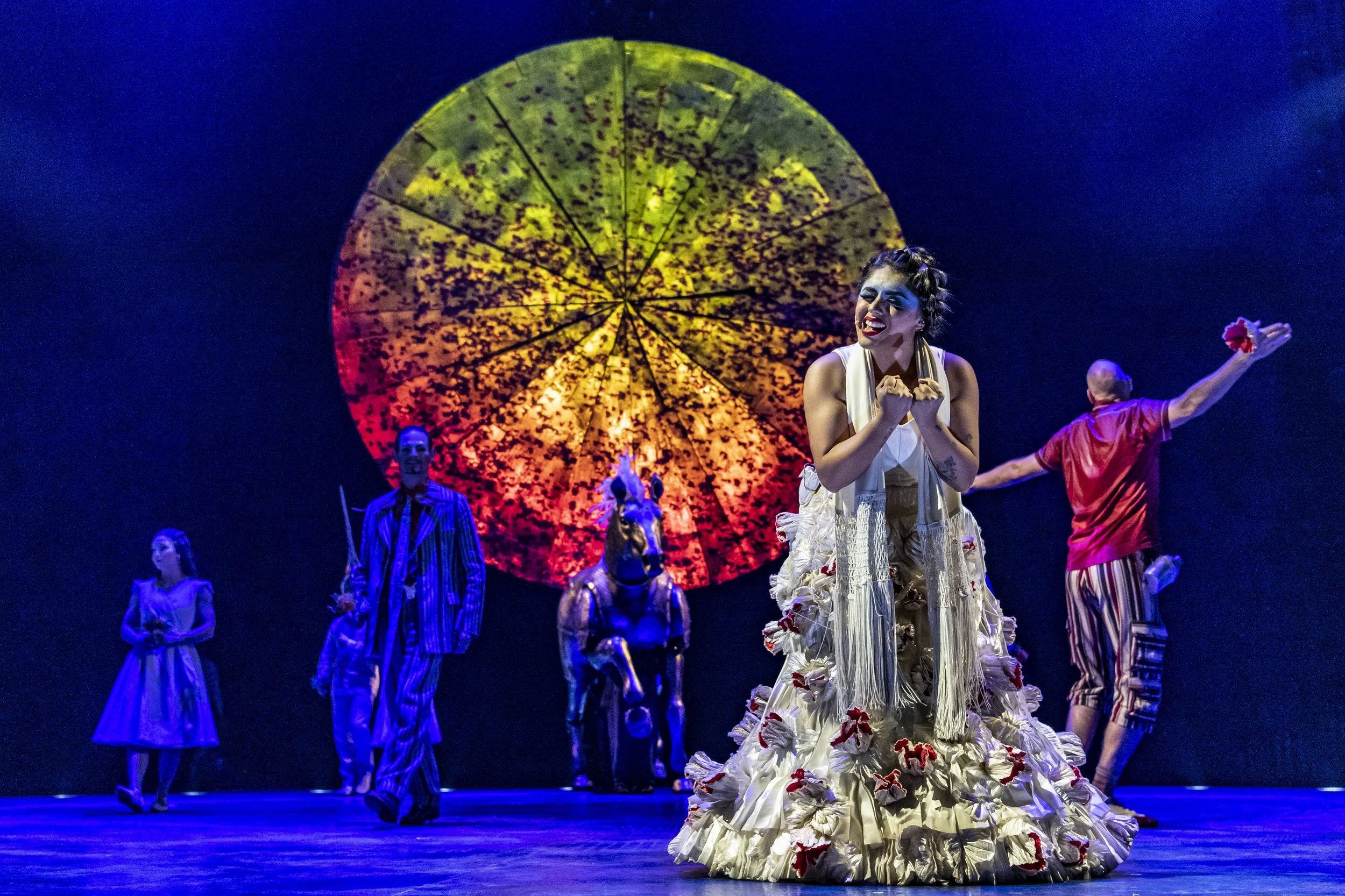
Cirque’s dialogue-light, image-heavy style crosses language barriers by design. LUZIA heightens that universality with motifs that audiences around the world instantly recognize: the monarch migration; the desert’s hush before a storm; a fiesta table brimming with community. The visual palette swirls with marigold and midnight blue; costumes morph via hidden motors (watch for a dress that blooms red, flower by flower). These choices delight kids and art lovers alike—and photograph beautifully, which is part of the fun.
For Atlanta specifically, the show’s indoor-outdoor “village” turns a regular evening out into an event: arrive early, stroll the concessions and photo spots, then settle into a seat that feels improbably close to the action. If you’re hosting visiting friends or family—including Japan-based relatives flying in for the holidays—LUZIA is a joyous, language-agnostic way to share a world-class performance tradition that’s been beloved in Tokyo, Sydney, New York, and now once again on our doorstep.
If you’ve never seen a Cirque Big Top show, start here. If you’ve seen a dozen, LUZIA still manages to surprise—by turning water into a character, by letting hoop divers outrun their own footprints, by celebrating Mexico with an affectionate surrealism that leaves you floating. Or, to borrow from New York Theatre Guide, it’s “definitely one not to miss.” Grab a date before January 25, and step into the dream.
See LUZIA now through January 25 at Under the White Big Top, Atlantic Station, 1380 Atlantic Drive NW. For more information and tickets, click here. For other shows around the world, visit www.cirquedusoleil.com.
For more JQ articles, click here.

Comments are closed.