




JQ Magazine: ‘Akira’ in IMAX, Haruomi Hosono, ‘Godzilla Minus Zero’ World Premiere
 Uncategorized
  Comments Off on JQ Magazine: ‘Akira’ in IMAX, Haruomi Hosono, ‘Godzilla Minus Zero’ World Premiere
By JQ magazine editor Justin Tedaldi (CIR Kobe-shi, 2001-02). Justin has written about Japanese arts and entertainment for JETAA since 2005. For more of his articles, click here.
As the summer winds fade into fall colors, the weeks ahead are shaping up with these exciting events, ready to be enjoyed after Labor Day.
This month’s highlights include:
Sept. 3-10
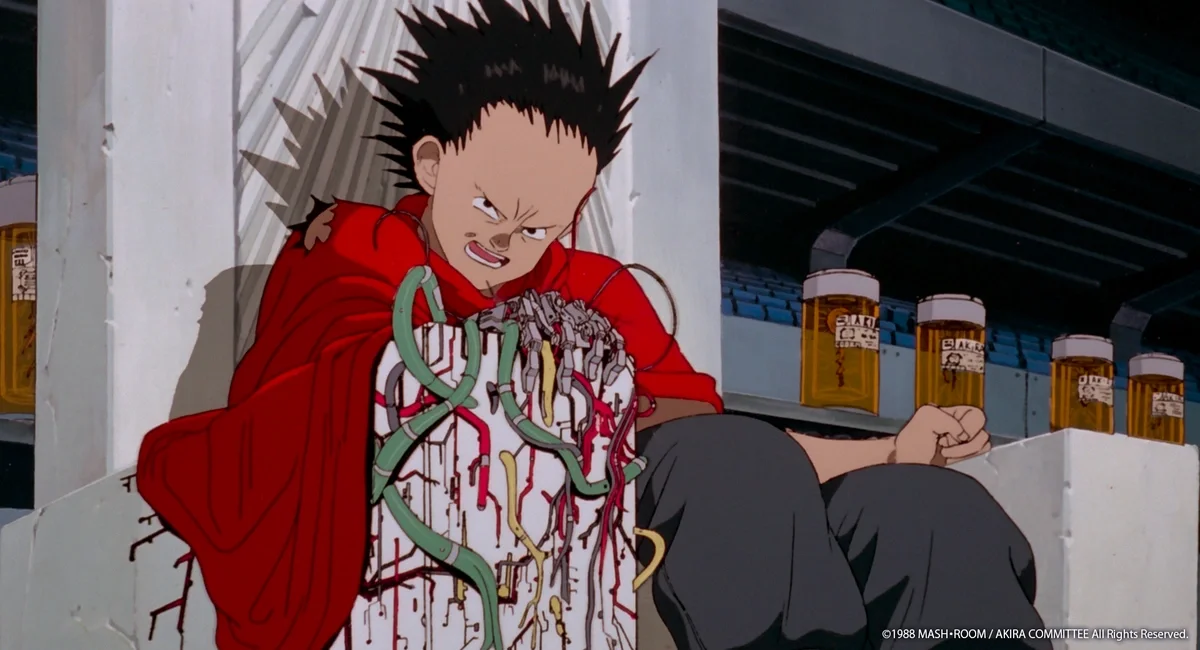
Akira (4K restoration & IMAX)
Various theaters
Various prices
Iconic and game-changing, Akira is the definitive anime masterpiece! Katsuhiro Otomo’s landmark cyberpunk classic obliterated the boundaries of Japanese animation and forced the world to look into the future. Akira’s arrival shattered traditional thinking, creating space for future generations of ground-breaking movies. July, 1988—World War III breaks loose. Then, in 2019, in megalopolis Tokyo…As the leader of a group of young robust delinquents, Kaneda spent his nights tearing through the urban wastes, racing his motorbike against rival groups. One night while riding with his gang, his friend Tetsuo suddenly encounters a strange boy―the product of human experimentation—and is injured in the ensuing crash. Shortly thereafter, a military squadron appears on the scene to take the boy and Tetsuo away to an army research facility. Determined to free Tetsuo from capture, Kaneda sneaks into the army research lab. However, a regimen of extreme experimental procedures has awakened a new power in his friend, and now he is consumed by madness…

Sept. 3-10
cocoon – One Summer of Girlhood
Various theaters
Various prices
San and Mayu attend an all-girls school on a warm and tranquil island. When war reaches their shores, they are ordered to help nurse the wounded in a military hospital hidden away in a cave. Amidst escalating death and brutality, the friends struggle to find solace in their fragile lives. Based on the award-winning manga by Machiko Kyo, cocoon – One Summer of Girlhood is the debut feature from Yukimitsu Ina and animation studio SASAYURI, founded by former Studio Ghibli animator Hitomi Tateno. The project brings together legendary veteran animators like Akihiko Yamashita and Shinji Otsuka, known for their work on Princess Mononoke and The Boy and the Heron, with a new, young generation of animating talent. Featuring a stirring score from kensuke ushio (A Silent Voice, Chainsaw Man), cocoon is a devastating yet beautiful plea for peace.

Sept. 4-6. 7:30 p.m.
Theater 555, 555 West 42nd Street
$64.95 standard, $99.99 VIP
Teto Live Show is a fanmade hologram experience crafted by Vocamedley + Vocalverse that takes you through the evolution of Kasane Teto from her UTAU beginnings to the Synthesizer V era. Experience her music like never before, backed by a live band and featuring local virtual singer Mae.exe, an original virtual singer created by local Vocaloid producer Novva Skylar. Current friendship compatibility: 98.7% Remaining 1.3% is attributed to The Baguette Incident™.
Read MoreJQ Magazine: JAPAN CUTS, Joe Hisaishi at Carnegie Hall, Mets vs. Dodgers
Article/Journalism, Celebrity, Events, Film, Japan Local, JQ Magazine, Music Comments Off on JQ Magazine: JAPAN CUTS, Joe Hisaishi at Carnegie Hall, Mets vs. Dodgers
By JQ magazine editor Justin Tedaldi (CIR Kobe-shi, 2001-02). Justin has written about Japanese arts and entertainment for JETAA since 2005. For more of his articles, click here.
After the outdoor fireworks, enjoy some summer events in the cool indoors, whether it’s taking in North America’s largest annual Japanese film festival, checking out a Studio Ghibli classic, or enjoying a ballgame Japanese heritage-style!
This month’s highlights include:
July 8-18
Japan Society, 333 East 47th Street
$16-$35
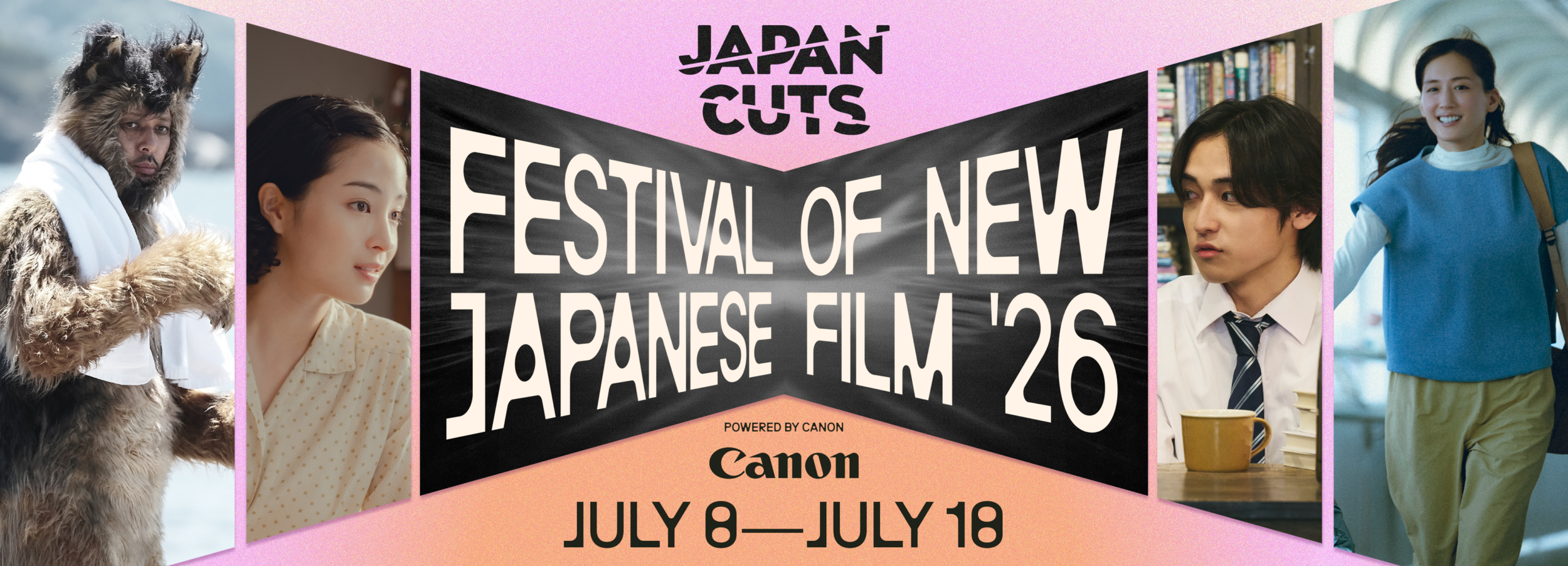
North America’s largest festival of contemporary Japanese film returns for its 19th year this summer at Japan Society! Featuring over 30 curated films from across Japan featuring major award-winners, indie darlings, up-and-coming filmmakers, restorations, documentaries, short films, anime and more. JAPAN CUTS Powered by Canon is a showcase of the latest in Japanese cinema, featuring both today’s most popular actors and directors as well as tomorrow’s pioneering talent. Become part of our passionate filmgoer community for premieres, parties and celebrity guests in the heart of America’s biggest city! Leading this year’s highlights, JAPAN CUTS will present lauded actress Suzu Hirose with the CUT ABOVE Award for Outstanding Achievement in Film and host the New York Premiere of A Pale View of Hills starring Hirose as our Centerpiece Film, and the festival will conclude with legendary director Hirokazu Koreeda appearing in-person for the North American Premiere of Sheep in the Box, the Closing Film.
July 10-11
Carnegie Hall, 881 7th Avenue
From $95.25
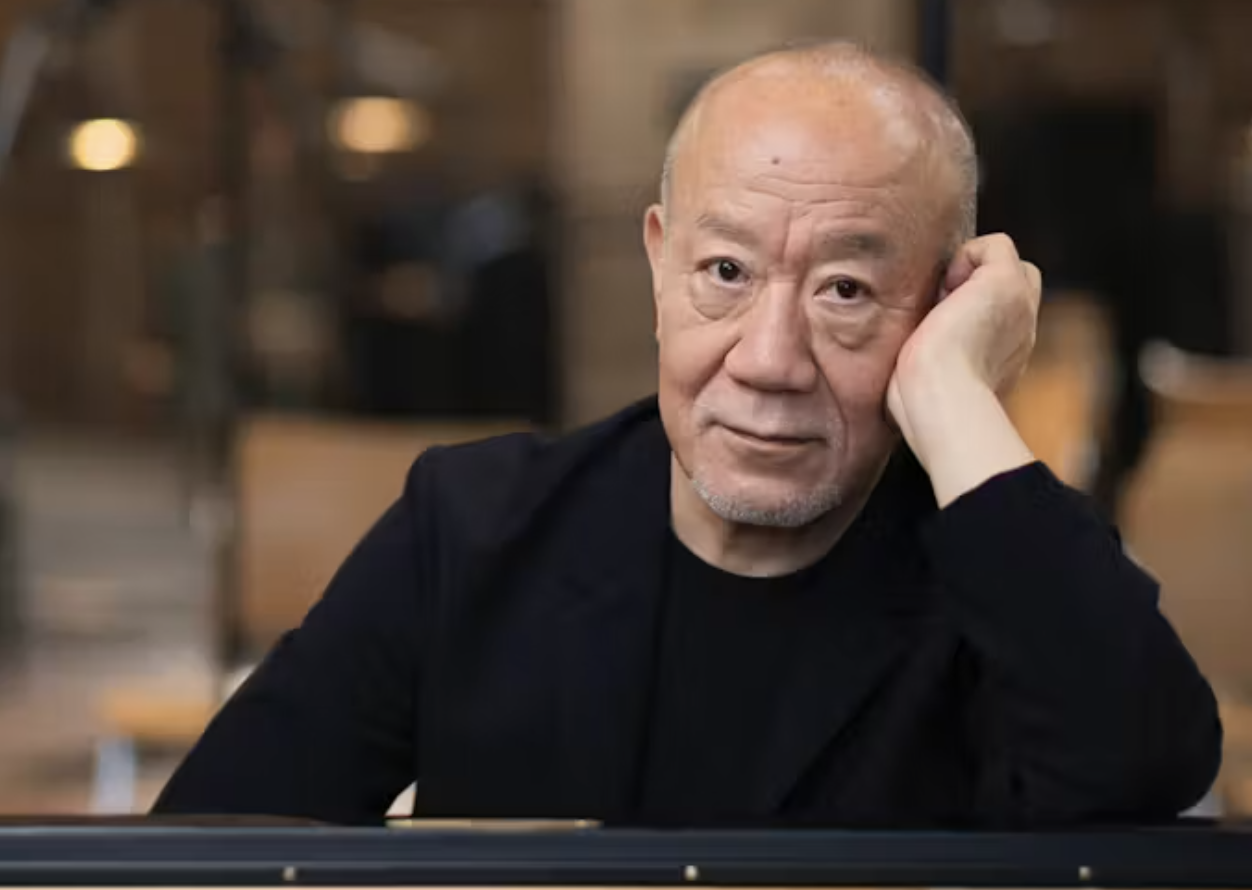
Renowned composer Joe Hisaishi of Studio Ghibli fame returns to Carnegie Hall for a pair of classical performances leading the Orchestra of St. Luke’s following the release of his most recent album Joe Hisashi Conducts performed with Steve Reich. The program opens with Philip Glass’s Symphony No. 1, “Low,” inspired by David Bowie’s groundbreaking album. In the second half, Hisaishi conducts his major new work, co-commissioned by Carnegie Hall, in its New York premiere. In a compelling dialogue between two minimalist masters, Hisaishi explores the depth and expressive power of the modern orchestra.
July 11-15
Various theaters
Various prices
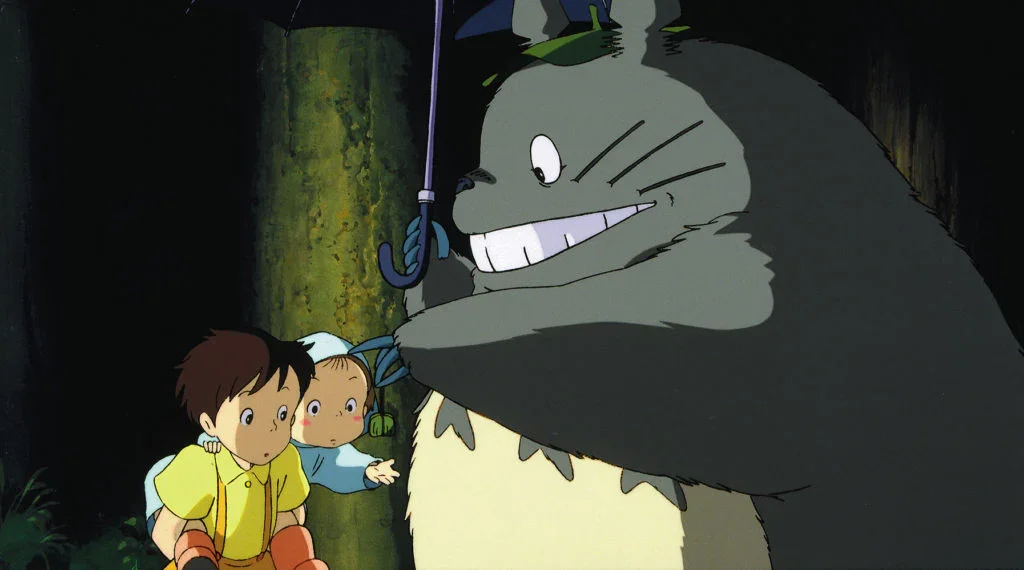
The latest selection from Fathom Entertainment’s Studio Ghibli Fest! From the legendary Studio Ghibli, creators of Spirited Away and Ponyo, and Academy Award-winning director Hayao Miyazaki, comes a classic tale of magic and adventure for the whole family. When Satsuki and her sister Mei move with their father to a new home in the countryside, they find country life is not as simple as it seems. They soon discover that the house and nearby woods are full of strange and delightful creatures, including a gigantic but gentle forest spirit called Totoro, who can only be seen by children. Totoro and his friends introduce the girls to a series of adventures, including a ride aboard the extraordinary Cat Bus, in this all-ages animated masterpiece featuring the voices of Tim Daly, Lea Salonga, and real-life sisters Dakota and Elle Fanning, in early roles.
Read MoreJETs in Academia: Understanding Privacy in Japan
Academic, Life As a JET, LifeAfterJET, Return on JET-vestment, Uncategorized Comments Off on JETs in Academia: Understanding Privacy in Japan
Nathaniel Simmons (Nara-ken, 2007-2009) is currently a communication professor at Western Governors University and lives in Columbus, OH, USA. He teaches a variety of intercultural, interpersonal, and health communication courses. He has researched and published several scholarly articles regarding privacy management between foreign English teachers and Japanese co-workers in Japan and is currently working on turning his research into a book.
What is private in Japan?
If I tell my co-workers I have hemorrhoids, diarrhea, or need to go to the OBGYN will they tell everyone else?
These may not be questions JETs think about when they first go to Japan. It also may not be something JETs consider when they are ill and trying to gain medical care or just discussing information (i.e., relationship status) about themselves with their co-workers.
The reality is Japanese cultural conceptions of privacy might be different than many JETs’ expectations. Depending upon how individualist or collectivist your home country is will influence how privacy is interpreted, expected, and maintained. The concept of “what is private” or “privacy” differs cross-culturally, as do the ways in which privacy values are expressed.
Japan is no exception.
Japan has been largely classified as a collectivistic culture. As you know from your own experiences in Japan, the group matters more than the individual. In other words, in Japan the “we” wants and goals come before the “I” or “me” wants and goals. For collectivists, the very notion of privacy might be viewed as selfish due to an individual’s wants and goals taking precedent over the group’s desires.
Ever notice that privacy is in katakana, the Japanese syllabary used for foreign words? Puraibashi, or プライバシー, is taken directly from the English word for “privacy.” Since traditional Japanese language has no word for privacy, a unique cultural conception of privacy emerged. For example, the idea that one has “the right to be left alone” might signal a lack of cooperativeness with the group and an inability to work well with others. Additionally, controlling one’s privacy information might be perceived as an excess of mistrust. Even Japanese scholars have commented that gaijin might perceive the group interdependence of Japanese people as “suffocating.”
Japanese language use two distinct, yet interrelated meanings of Japanese privacy: shakai ( 社会), or “public,” and seken (世間), or “world/society.” Such terms stress the importance of relationships, interdependence, and group harmony. Shakai contributes to negative aspects of crimes being withheld from the media in order to protect victims and their families. If one was to “break shakai” it would involve speaking publically about private matters which might harm another’s reputation. Seken emphasizes human relations and allows Japanese people the ability to “understand” or at least “explain” what went wrong in a given situation. To the foreign eye, this might look intrusive, or like “gossip,” as one tries to understand one’s home life or culture to explain a tragic event.
As JETs operate on differing values of privacy, this might result in individuals feeling “violated” or “exposed.” Perceived privacy violations can lead to relationship withdrawal, isolation, and negative assumptions/stereotypes about one’s co-worker or Japan in general. Throughout my research, gaijin English teachers reported feeling that their co-workers invaded/violated their privacy expectations. In other words, if they told someone something, it was then told to someone else, who then told someone else…etc. You get the point. In my research, gaijin felt victimized when people knew things about them that they didn’t disclose (i.e., So and so sensei told me you went to the doctor and are on X medication), even if it was something positive (i.e., I heard your dental checkup went well!). My participants felt like “celebrities” because “everyone (i.e., Japanese people)” in their communities knew “everything” about them.
Critics of my participants’ stories have said “Well, they should know it will be different from their home country.” It is easy to say “expect things to be different.” To what extent should this responsibility be shared? No recruiting organizations discuss privacy in their trainings. Perhaps privacy is something so engrained in one’s culture that it is perceived to be “common sense?” Perhaps that “common sense” is where the most difficulties exist when what one “commonly” thinks doesn’t work.
Regardless, this is a collective issue that requires further dialogue and research to better understand how to cultivate meaningful relationships. Several of my participants chose to cut their contracts short or to not renew because of their interpersonal privacy experiences.
That’s costly – it costs financially and personally.
This blog post is an adaptation of the scholarly article: Simmons, N. (2012). The tales of gaijin: Health privacy perspectives of foreign English teachers in Japan. Kaleidoscope: A Graduate Journal of Qualitative Communication Research, 11, 17-38. Retrieved from http://opensiuc.lib.siu.edu/kaleidoscope/vol11/iss1/3/
Job: Visitor’s Associate at Japan Society (NY)
Jobs Comments Off on Job: Visitor’s Associate at Japan Society (NY)
Thanks to JET alum Christy Jones of Japan Society (NY) for passing this on. Posted by blogger and podcaster Jon Dao (Toyama-ken, 2009-12). Click here to join the JETwit Jobs Google Group and receive job listings even sooner by email.
————————————————————————————————————
Position: Visitor’s Associate
Type: Part-time
Overview:
The Visitor Services Associate maintains the Japan Society’s visitor service’s desk as an ambassador interacting with the general public. This includes greeting and welcoming visitors, answering questions, providing information about exhibits and programs, selling tickets, memberships, and catalogues.
Duties include: processing ticket orders and gallery admissions; selling memberships; light clerical duties; accepting packages; assisting visitors, trustees, donors, and vendors on the phone and in person, and assisting with related activities and projects. Read More
Job: Program Assistant 03.09.12
Jobs, Uncategorized Comments Off on Job: Program Assistant 03.09.12
Thanks to JET alum Christy Jones of Japan Society (NY) for sharing. Posted by Kay Monroe (Miyazaki-shi, 1995 -97).
———————————————————————————————————————————————
Position: Program Assistant
Posted by: Japan Society
Type: Full-time
Location: NY
Salary: NA
Start Date: NA
Link: www.japansociety.org
Responsibilities:
The Program Assistant will work with the Corporate and Lecture Program Officers on managing logistical and administrative aspects of approximately two to three programs per month. He/she will assist in planning, executing, and managing cultural lectures, symposia, and community outreach activities, and interact with leaders and distinguished speakers in the academic and business community, as well as thousands of corporate members.
To Apply: Email your letter of interest and resume to Jane Fenton, Director of Human Resources, at – jobs@japansociety.org. Read More
Job: Director of Global Programs 03.08.12
Jobs Comments Off on Job: Director of Global Programs 03.08.12
Thanks to Japan Society (NY) for sharing this listing. Posted by Kay Monroe (Miyazaki-shi, 1995 -97).
————————————————————————————————————
Position: Director of Global Programs
Posted by: Japan Society, NY
Type: Full-time
Location: NY
Salary: NA
Start Date:
Link: www.japansociety.org
Responsibilities:
Reporting to the President, the Director of Global Programs is responsible for programming and fundraising for the Corporate Program, comprising business-related programs and networking events for corporate members. He/she will also oversee the Read More
Latest Japan Relief Grants Support Child Welfare, Mental Healthcare, Economic Revitalization
Press Release Comments Off on Latest Japan Relief Grants Support Child Welfare, Mental Healthcare, Economic Revitalization
Via Shannon Jowett, Director of Communications at Japan Society.
The third round of disbursals from Japan Society’s Japan Earthquake Relief Fund support projects ranging from mental healthcare and child welfare (especially orphan care), to local economic revitalization and regional entrepreneurship.
With New Grants Towards Economic Revitalization, Mental Healthcare and Child Welfare, Japan Society Earthquake Relief Fund Allocation Reaches $5.6 Million
New York, NY — Japan Society today announced it has earmarked an additional $2.5 million from its Japan Earthquake Relief Fund to seven Japanese, American and international NGOs working on economic revitalization, mental healthcare and child welfare. This latest announcement brings total allocations from the $12.1 million fund to $5.6 million distributed to 13 organizations representing 17 projects. Read More
“Fiber Futures: Japan’s Textile Pioneers” and “Postcards from Japan: Messages from Tohoku Artists” @ Japan Society until 12/18/2011
Events, Uncategorized Comments Off on “Fiber Futures: Japan’s Textile Pioneers” and “Postcards from Japan: Messages from Tohoku Artists” @ Japan Society until 12/18/2011
Carolyn Brooks (Ishikawa-ken, Kanazawa, 2006-11) is co-author of the blog MadSilence–a cross-cultural blog written with her father–and a current culture/education related job-seeker in the NY area available for full-time or consulting work.

Yesterday I had the opportunity to visit the Japan Society in NYC. Hidden behind an outwardly unassuming facade across the street from the United Nations, The Japan Society has been promoting Japanese-American relations since 1907. Inside, the Society shows its true character as the indoor gardens, water features, and shoji-inspired walkways wow visitors as much as the broad range of classes, exhibitions, and lectures they hold each year.

"W-Orbit" by Akio Hamatani
Currently showing (until December 18th) is “Fiber Futures: Japan’s Textile Pioneers.” It’s a collaboration between The Japan Society and Textile Network Japan along with Tama Art University Museum. As you enter the exhibit, you walk through the first piece of art! The doorway is covered with a noren, or traditional door curtain, made of space-age materials that look like watered silk and gold leaf. It was one great example of how the 30 artists who contributed pieces combined traditional techniques and modern materials to show the versatility and beauty of textiles….
CLICK HERE TO READ THE REST OF THE POST…
Video: Roland Kelts interviewed by Japan Society (NY) at New York Anime Festival 2009
Books, Cartoon/Illustration, Celebrity, Interview/Profile, Japan Society Round-up, Roland Kelts, Video, Writers Comments Off on Video: Roland Kelts interviewed by Japan Society (NY) at New York Anime Festival 2009
***************
Roland Kelts (Osaka-shi, 1998-99), author of Japanamerica, was interviewed by Japan Society of New York at the New York Anime Festival 2009 which was held September 25-27 at the Jacob Javits Convention Center. Let’s go to the video tape:
Part 1 of the interview:
Part 2 of the interview:
