




I’ll Make It Myself: Halloween in Japan (2015): Krispy Kreme’s “Mad for Monsters” Campaign
 Blogs, Food & Drink, I'll Make It Myself, Writers
  Comments Off on I’ll Make It Myself: Halloween in Japan (2015): Krispy Kreme’s “Mad for Monsters” Campaign
L.M. (CIR Ishikawa-ken, Anamizu, 2009-11) is the editor of The Ishikawa JET Kitchen: Cooking in Japan Without a Fight. Ze works in international student exchange; writes I’ll Make It Myself!, a blog about food culture in Japan and the US; curates The Rice Cooker Chronicles, a series of essays by JETs and JET alumni on the theme of cooking/eating and being alone in Japan; and admins The JET Alumni Culinary Group on LinkedIn.

Krispy Kreme’s “Mad for Monsters” campaign features four types of doughnuts: Spider Chocolate Custard (スパイダーチョコカスタード), a custard-filled doughnut with a spiderweb design in chocolate icing; Caramel Halloween Jack (キャラメルハロウィーンジャック), a caramel-custard-filled doughnut with a jack-o-lantern design; Maple Milk Franken (メプルミルクフランケン), a square doughnut with a Frankenstein’s monster design and filled with maple custard; and Purple Potato Monster (ムラサキイモモンスター), a yeast ring with purple-sweet-potato icing and three cereal “eyes.”
I’ll Make It Myself!: Halloween Food in Japan (2015): Mister Donut Pon de Shu
Blogs, Food & Drink, I'll Make It Myself, Writers Comments Off on I’ll Make It Myself!: Halloween Food in Japan (2015): Mister Donut Pon de Shu
L.M. (CIR Ishikawa-ken, Anamizu, 2009-11) is the editor of The Ishikawa JET Kitchen: Cooking in Japan Without a Fight. Ze works in international student exchange; writes I’ll Make It Myself!, a blog about food culture in Japan and the US; curates The Rice Cooker Chronicles, a series of essays by JETs and JET alumni on the theme of cooking/eating and being alone in Japan; and admins The JET Alumni Culinary Group on LinkedIn.

Documenting Halloween in Japan used to be sort of a game to see which companies were marketing the holiday as a seasonal event amidst globalization and marketing gimmicks…. I wanted all the cool doughnuts from the website/ad, but all Ikebukuro had was the jack-o-lantern shaped ones. I also got a kinako raised ring (yeast doughnut) and a chocolate Pon de Ring.
Click HERE to read MORE.
I’ll Make It Myself!: Halloween Food in Japan 2015: Family Mart
Blogs, Food & Drink, I'll Make It Myself, Writers Comments Off on I’ll Make It Myself!: Halloween Food in Japan 2015: Family Mart
L.M. (CIR Ishikawa-ken, Anamizu, 2009-11) is the editor of The Ishikawa JET Kitchen: Cooking in Japan Without a Fight. Ze works in international student exchange; writes I’ll Make It Myself!, a blog about food culture in Japan and the US; curates The Rice Cooker Chronicles, a series of essays by JETs and JET alumni on the theme of cooking/eating and being alone in Japan; and admins The JET Alumni Culinary Group on LinkedIn.
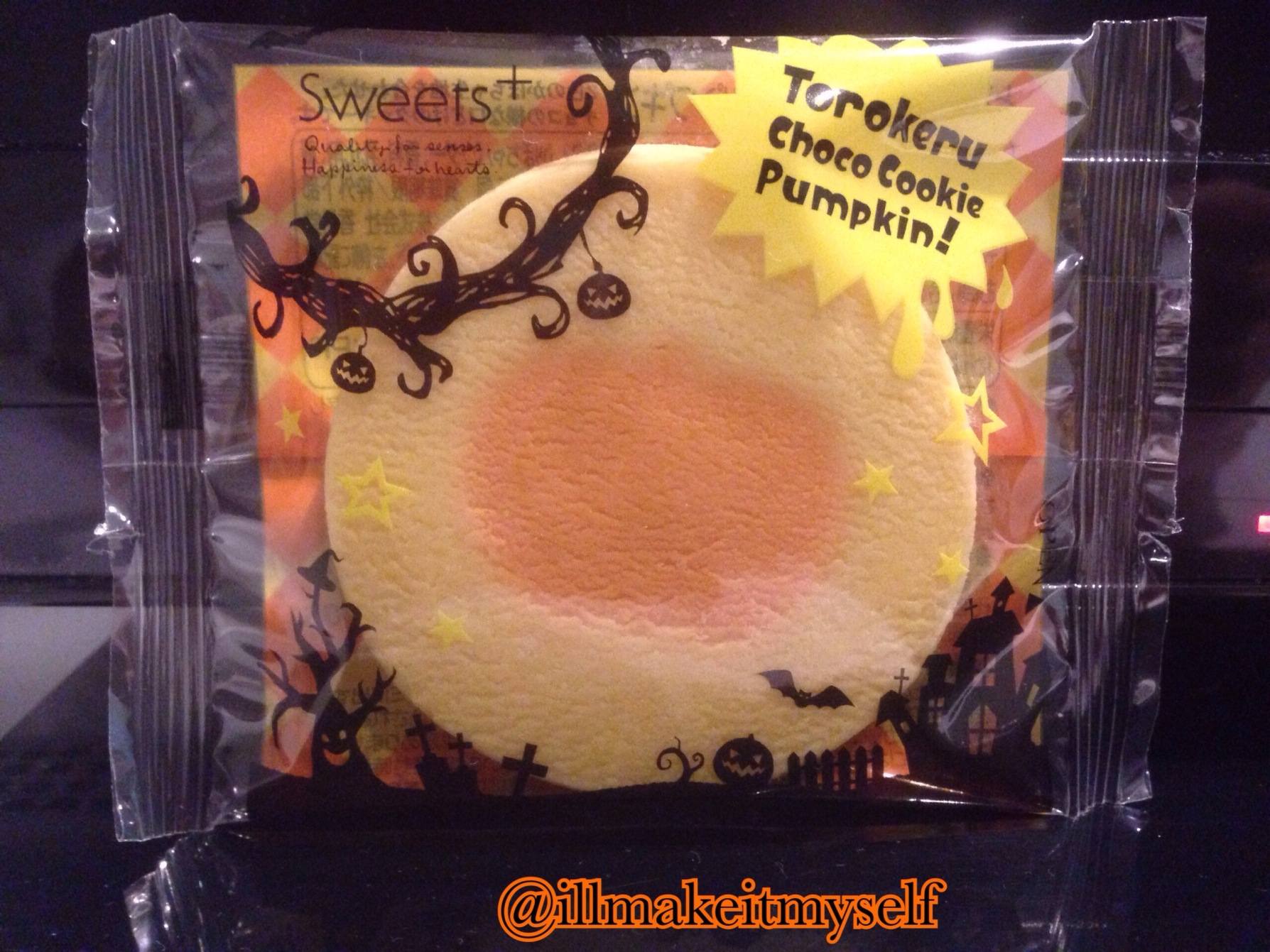
What a perfect time to come to Japan and do some food anthropology! It’s been 10 years since I first came to Japan, and now I’m back for a quick visit, just in time for documenting Halloween. How far we’ve come in ten years from just Baskin Robbins’ Halloween flavors.
JET alum Bruce Feiler a CNN commentator during Pope’s visit
Article/Journalism, Celebrity, JET Alum Author Beat, JETs in the News, Notable JET Alums, Writers Comments Off on JET alum Bruce Feiler a CNN commentator during Pope’s visit
***************
Bruce Feiler (Tochigi-ken, 1989-90), author of Learning to Bow as well as several books on religion including Walking the Bible, Abraham and Where God Was Born along with other popular books including The Council of Dads, and, most recently, The Secrets of Happy Family, can now add CNN commentator to his resume. He has been providing religion-related perspectives in live conversations with Anderson Cooper, Wolf Blitzer and others.

****************************

To read prior JETwit posts about Bruce Feiler, please click here.
For more regular updates, follow Bruce on Facebook: www.facebook.com/brucefeilerauthor.
And Twitter: www.twitter.com/brucefeiler.
WIT Life #291: Waku Waku +NYC event and Sebastian Masuda
Art, Events, Translating/Interpreting, Uncategorized, WIT Life, Writers Comments Off on WIT Life #291: Waku Waku +NYC event and Sebastian Masuda

Sebastian Masuda with protege Kyary Pamyu Pamyu
WIT Life is a periodic series written by professional Writer/Interpreter/Translator Stacy Smith (Kumamoto-ken CIR, 2000-03). She starts her day by watching Fujisankei’s newscast in Japanese, and here she shares some of the interesting tidbits and trends along with her own observations.
This weekend I had the chance to visit “Waku Waku +NYC,” a new Japanese pop culture festival which took place over two days across multiple venues in Greenpoint and Williamsburg. According to the event’s homepage, it brings together the worlds of anime, manga, music, food, film, and fashion via exhibits, panels, screenings, and interactive events. This blend of pop culture from Japan and Brooklyn was envisioned as “Cool Japan meets New York’s Coolest Borough.” The name Waku Waku (わくわく) Read More
I’ll Make It Myself!: Pixelated 1-Up Cake (Mario Bros.)
Blogs, Food & Drink, I'll Make It Myself, Writers Comments Off on I’ll Make It Myself!: Pixelated 1-Up Cake (Mario Bros.)
L.M. Zoller (CIR Ishikawa-ken, Anamizu, 2009-11) is the editor of The Ishikawa JET Kitchen: Cooking in Japan Without a Fight. Ze works in international student exchange; writes I’ll Make It Myself!, a blog about food culture in Japan and the US; curates The Rice Cooker Chronicles, a series of essays by JETs and JET alumni on the theme of cooking/eating and being alone in Japan; and admins The JET Alumni Culinary Group on LinkedIn.
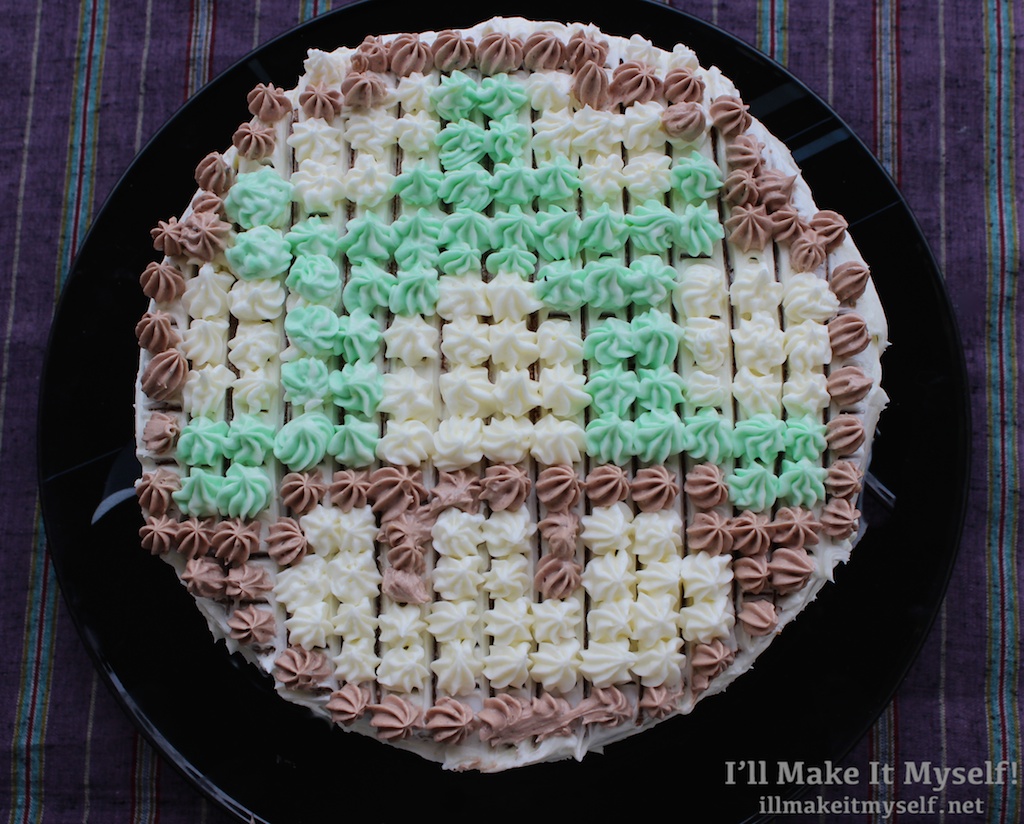
This Nintendo-inspired design is simple to create and works with any round cake–although you won’t want to miss this white-pepper-and-ginger one, which is easily to make in Japan, too.
WIT Life #290: Round Trip Heart/Our Little Sister
Events, Film, Translating/Interpreting, WIT Life, Writers Comments Off on WIT Life #290: Round Trip Heart/Our Little Sister
WIT Life is a periodic series written by professional Writer/Interpreter/Translator Stacy Smith (Kumamoto-ken CIR, 2000-03). She starts her day by watching Fujisankei’s newscast in Japanese, and here she shares some of the interesting tidbits and trends along with her own observations.
A business trip to Japan prevented me from viewing the majority of the films at this year’s Japan Cut s at Japan Society, but I was able to catch Round Trip Heart (ロマンス) during the festival’s opening week. Starring Yuko Oshima best known as a singer from the idol group AKB48, this film tells the story of an emotionally lost young woman whose job is to serve refreshments on board the train servicing the hot springs area of Hakone just outside Tokyo. It is through a chance encounter with a seemingly sleazy customer that enables her to examine her past and be able to look toward the future. This seemingly simple but touching movie made its North American premiere at Japan Cuts and was released in Japan the next week, so it was cool to be able to get a sneak peak ahead of the domestic market.
Although I was sad to miss most of Japan Cuts, being in Tokyo allowed me to check out the newest work from my favorite Japanese director, Hirokazu Kore-eda, who I have written about numerous times here. It is called Our Little Sister (海街diary, literally Seaside Town Diary) and is based on the eponymous manga by Akimi Yoshida. It tells the story of Read More
WIT Life #289: NY Asian Film Festival
Events, Film, Translating/Interpreting, WIT Life, Writers Comments Off on WIT Life #289: NY Asian Film Festival
WIT Life is a periodic series written by professional Writer/Interpreter/Translator Stacy Smith (Kumamoto-ken CIR, 2000-03). She starts her day by watching Fujisankei’s newscast in Japanese, and here she shares some of the interesting tidbits and trends along with her own observations.
This year’s NY Asian Film Festival is showcasing 11 films as part of its focus on new cinema from Japan. I had the chance to catch two of them, Permanent Nobara (パーマネント野ばら) and Chasuke’s Journey (天の 茶助).
茶助).
The former flick stars the drama and film fixture Miho Kanno and the seemingly non-aging Yosuki Eguchi in a story set in a small fishing village in Shikoku (with dialogue in the regional dialect). Kanno’s character Naoko has returned to her hometown with her daughter, after divorcing her husband and leaving her life in Tokyo. Her mom runs the only town’s beauty salon, whose signature service is perms. The regulars gather there to snack and gab while getting their hair done, and this convivial and often raunchy atmosphere reminded me of the relationships between the women in Steel Magnolias.
Various aspects of Naoko’s life growing up in the village are revealed via flashback, including Read More
WIT Life #288: おわハラ and other Japanese harassment
Translating/Interpreting, WIT Life, Writers Comments Off on WIT Life #288: おわハラ and other Japanese harassment
WIT Life is a periodic series written by professional Writer/Interpreter/Translator Stacy Smith (Kumamoto-ken CIR, 2000-03). She starts her day by watching Fujisankei’s newscast in Japanese, and here she shares some of the interesting tidbits and trends along with her own observations.
I had the chance to go back to Japan on business this month and will be going again next month to interpret for the same project, so I’m excited to be able to visit on such a regular basis. Being back in a Japanese workplace reminds me of the different styles our two cultures have when it comes to this environment, whether it is the uniforms worn by OLs or the wide open floor plan consisting of endless islands where people sit. Another striking aspect is the specific categorization of various types of potential harassment in the workplace. I’m sure most people have heard of セクハラ (sekuhara which is short for “sexual harassment”) and maybe パワハラ (pawahara which is short for “power harassment,” when a superior uses his/her power to influence a subordinate), but lately there are some new versions of harassment in Japan to take note of.
For example, マタハラ (matahara or “maternity harassment”) describes when a pregnant woman is bullied because of her physical state, and usually the perpetrator’s motivation is trying to get her to quit. A newer term which was just coined this past March is おわハラ (owahara, coming from 就活終われハラスメント or “job search termination harassment”). It refers to when potential employers pressure their university student recruits to stop considering offers from other companies by offering them a guaranteed position in their own.
This article, though a bit dated, offers a humorous take on the “hara” phenomenon. I like his suggestion of adding “hara hara” at the end!
One other Japanese suffix that might rival “hara” in usage is “活”, or “katsu” which is used to refer to Read More
I’ll Make It Myself!: Ful Medames with Fresh Fava Beans
Blogs, Food & Drink, I'll Make It Myself, Writers Comments Off on I’ll Make It Myself!: Ful Medames with Fresh Fava Beans
L.M. (CIR Ishikawa-ken, Anamizu, 2009-11) is the editor of The Ishikawa JET Kitchen: Cooking in Japan Without a Fight. Ze works in international student exchange; writes I’ll Make It Myself!, a blog about food culture in Japan and the US; curates The Rice Cooker Chronicles, a series of essays by JETs and JET alumni on the theme of cooking/eating and being alone in Japan; and admins The JET Alumni Culinary Group on LinkedIn.

Fresh fava beans one of the delights of spring in Japan. Learn how to measure and prepare them in this Japan-friendly recipe!
WIT Life #287: 猫マニア!
Translating/Interpreting, Travel/Tourism, WIT Life, Writers Comments Off on WIT Life #287: 猫マニア!
WIT Life is a periodic series written by professional Writer/Interpreter/Translator Stacy Smith (Kumamoto-ken CIR, 2000-03). She starts her day by watching Fujisankei’s newscast in Japanese, and here she shares some of the interesting tidbits and trends along with her own observations.
Can’t believe it’s been almost a month since I’ve written here, but two weeks of that time was my amazing trip to Japan! I wasn’t sure how spending Golden Week in Tokyo would be, but it was actually quite nice as people tend to leave town to travel both domestically and abroad. Most of my friends stuck around, so it was great to catch up with them without the usual work and other obligations cutting into our time together. Thanks to them, I was able to explore some new neighborhoods and local parks I had never been to and to just enjoy taking it easy in Tokyo, a rarity when things are in no rmal operation.
During my second week I began to miss my cats at home, so I decided to go to a cat cafe. For some reason I have never thought to visit one during my previous visits to Japan, but part of why I wanted to go this time is that we now have our very own cat cafe in NY so I wanted to check out the original version. I picked one in Kichijouji as it was close to the station, but when my friend and I went upstairs we were told the wait would be a few hours. We had plans later in the day, so I made a reservation for another day that week.
I returned to the cafe at the appointed time and was given a lanyard upon which my start time and other information was marked, and was asked to wash and disinfect my hands. It cost Read More
I’ll Make It Myself!: Add a Dash of Cultural Imperialism: Japanese Food and Cooking (1956), Part 5
Blogs, Food & Drink, I'll Make It Myself, Writers Comments Off on I’ll Make It Myself!: Add a Dash of Cultural Imperialism: Japanese Food and Cooking (1956), Part 5
L.M. (CIR Ishikawa-ken, Anamizu, 2009-11) is the editor of The Ishikawa JET Kitchen: Cooking in Japan Without a Fight. Ze works in international student exchange; writes I’ll Make It Myself!, a blog about food culture in Japan and the US; curates The Rice Cooker Chronicles, a series of essays by JETs and JET alumni on the theme of cooking/eating and being alone in Japan; and admins The JET Alumni Culinary Group on LinkedIn.

Part 5 on a series about Stuart Griffin’s Japanese Food and Cooking (1956).
If sushi is the engagement, sashimi, or raw fish, is the wedding. Now is the time to stop dabbling an plunge bolding into what may be regarded as the pièce de résistance, in the accepted French sense, and what some may regard as just the piece to resist, other will regard as the one they cannot resist.
Raw fish, to many foreigners, spells trouble.
“Raw fish!” one can hear them scream, “how could anyone think of eating such a thing?” (36)
I’ll Make It Myself!: Add a Dash of Cultural Imperialism: Japanese Food and Cooking (1956), Part 4
Blogs, Food & Drink, I'll Make It Myself, Writers Comments Off on I’ll Make It Myself!: Add a Dash of Cultural Imperialism: Japanese Food and Cooking (1956), Part 4
L.M. (CIR Ishikawa-ken, Anamizu, 2009-11) is the editor of The Ishikawa JET Kitchen: Cooking in Japan Without a Fight. Ze works in international student exchange; writes I’ll Make It Myself!, a blog about food culture in Japan and the US; curates The Rice Cooker Chronicles, a series of essays by JETs and JET alumni on the theme of cooking/eating and being alone in Japan; and admins The JET Alumni Culinary Group on LinkedIn.
Part 4 on a series about Stuart Griffin’s Japanese Food and Cooking (1956).
We’ve made it to the sushi chapter, readers!
I’ve spoken with several people about Griffin’s choice to describe sushi (well, nigiri sushi) as “rice sandwiches.” While I think most Americans in 2015 have some idea of what sushi is, in the 1950s, outside of Japanese-American communities, some explanation may have been required. Reactions to “rice sandwiches” have ranged from “no, that makes sense” to “aren’t they more like hors d’oeuvres?“* to (my favorite) “Do you know how sandwiches work?”

“By dramatizing some of the people who were on the receiving end of that racial hatred, I think the book might give a concrete sense of what American power can do when it is unleashed against people in other parts of the world. I hope the experiences of Jiro and Mitsuko make readers think twice about that.” (Louis Templado)
By Julio Perez Jr. (Kyoto-shi, 2011-13) for JQ magazine. A bibliophile, writer, translator, and graduate from Columbia University, Julio has had experience working at Ishikawa Prefecture’s New York office while seeking opportunities with publications in New York. Follow his enthusiasm for Japan, literature, and comic books on his blog and Twitter @brittlejules.
A Professor Emeritus of Harvard University, Jay Rubin has also served as a distinguished translator of Japanese literature for more than a quarter century, most notably on the works of Haruki Murakami. June 2 marks the release of his debut novel The Sun Gods (Chin Music Press), which is set in Seattle during World War II and explores the relationships between a Seattle-based Japanese national named Mitsuko and her young adopted American toddler, Billy, who are both interned by the U.S. government at the beginning of the war. Years later, Billy begins a journey to newly reconstructed Japan to find his Japanese mother and learn the truth about their shared past.
As part of the book’s launch, Rubin will be making live appearances from coast to coast, starting with Japan Society in New York on May 7 for an event titled The Magical Art of Translation: From Haruki Murakami to Japan’s Latest Storytellers, featuring other guest authors and moderated by JET alum Roland Kelts (Osaka-shi, 1998-99).
In this exclusive interview, Rubin shares with JQ the legacy of the war on his own writing, the attention to historical detail that went into The Sun Gods (with a few liberties taken), and what makes translating Japanese such a liberating experience.
JQ magazine readers are primarily JETs, JET alumni, and others who have worked and resided in Japan or have a strong interest in the country. Could you tell us about what inspired you to study Japanese language and culture and about any time you spent living in Japan?
In my second year at the University of Chicago, I was going to take one course on something non-Western for the fun of it, and one of the courses that happened to be available was an introduction to Japanese literature (in English translation, of course). I was so fascinated by the literature and by the professor’s remarks on the original language that I immediately started studying that language. I sometimes wonder what would have happened if the course I stumbled into happened to be Chinese history. I spent four years studying the language in Chicago before going to the country itself on a Fulbright fellowship. My spoken Japanese was so bad, all I could say to the young woman bartender at the first bar I wandered into was, “Do you realize you just used the word ‘wake‘ (わけ) three times?” I studied in Tokyo for two years, often wish I had made it four. I’m still remarking on how many times people use wake in sentences. I studied mostly Meiji literature while I was in Tokyo, not Noh drama like The Sun Gods’ Bill, though Noh was a side interest, and I did a lot more work on it in later years.
To start off talking about The Sun Gods, how would you describe your new book to potential readers?
This may sound like ad copy, but I’m comfortable with the summary on the book’s front flap:
Opening in the stress-filled years before World War II, The Sun Gods brings together a white minister to a Seattle Japanese Christian church, his motherless young son, and a beautiful new arrival from Japan with a troubled past. The bombing of Pearl Harbor intrudes upon whatever happiness they might have had together, and the combination of race prejudice and war hysteria carry the action from Seattle to the Minidoka Internment Camp in Idaho. Nearly two decades later, the son is ready to graduate from college when memories of Minidoka and of his erstwhile Japanese mother begin to haunt him, and he embarks on a journey that will lead him from Seattle’s International District to war-ravaged Japan in his attempt to discover the truth about his past.
The internment of people of Japanese ancestry in America that occurred during World War II is rarely dwelled on as much as other events of the war, how would you explain the internment and the reasons it warrants further attention to someone unfamiliar with the topic? What is the most important message you hope to get across?
If there’s a “message,” it’s to convey a historical moment, central to which was the fact that our government established concentration camps within its borders in order to lock up members of a particular racial group, and that this was supported by both public opinion and the Supreme Court with no constitutional justification whatsoever. The government has since apologized openly and eloquently, thus making a repeat performance highly unlikely. Japanese-American organizations, it should be noted, were among the most outspoken against anti-Muslim racism following 9/11.
Justin’s Japan: VAMPS, ‘Monkey Business,’ AKB48 at Japan Day @ Central Park
Art, Events, Justin's Japan, Music, Notable JET Alums, Roland Kelts, Writers Comments Off on Justin’s Japan: VAMPS, ‘Monkey Business,’ AKB48 at Japan Day @ Central Park

J-pop superstars AKB48 return for their first New York performance since 2009 at Japan Day @ Central Park May 10. (@AKS)
By JQ magazine editor Justin Tedaldi (CIR Kobe-shi, 2001-02) for Examiner.com. Visit his Japanese culture page here for related stories.
As spring continues and the weather continues to warm, New Yorkers can enjoy activities all over the city both indoors and out.
This month’s highlights include:
Friday, May 1, 8:00 p.m.
Best Buy Theater, 1515 Broadway
$35
Japan’s most daring rock band, VAMPS is fronted by vocalist hyde of L’arc~en~Ciel and guitarist K.A.Z of Oblivion Dust. Now touring in support of their latest album, Bloodsuckers (available on iTunes), VAMPS returns to take another bite out of the Big Apple for their first area performance since 2013.
Monday, May 4, 6:30 p.m.
Monkey Business: Japan/America Writers’ Dialogue in Words and Pictures
Asia Society, 725 Park Avenue
$15, $10 Asia Society members, $12 students/seniors
Join this annual conversation between contemporary Japanese and American authors in which Asia Society hosts an international dialogue, curated and moderated by the co-founders and editors of the Tokyo-based literary journal Monkey Business with writers who are featured in the latest edition of Monkey Business (#5), a unique, cutting-edge annual literary journal which showcases newly-translated Japanese as well as contributions from contemporary American and British writers.
Thursday, May 7, 6:30 p.m.
The Magical Art of Translation: From Haruki Murakami to Japan’s Latest Storytellers
Japan Society, 333 East 47th Street
$12, $8 Japan Society members, students/seniors
Since 1989, Jay Rubin has translated many of Haruki Murakami’s most successful and prize-winning novels, including The Wind-Up Bird Chronicle, Norwegian Wood and 1Q84. In this program, he is joined by Ted Goossen, translator of Murakami’s most recent U.S. publications, The Strange Library and Wind/Pinball: Two Early Novels, and co-editor of Monkey Business literary magazine, which showcases the best of contemporary Japanese literature for an international audience. They will discuss the unique challenges of translating modern Japanese literary works into American English, and vice versa. Rubin will also talk about his transition from translator to novelist vis-à-vis his debut novel The Sun Gods. Joining the discussion from Tokyo will be authors Aoko Matsuda and Satoshi Kitamura, and Motoyuki Shibata, friend and translating partner of Murakami. Author Roland Kelts, co-editor of Monkey Business, moderates the discussion. Followed by a reception.
For the complete story, click here.
